

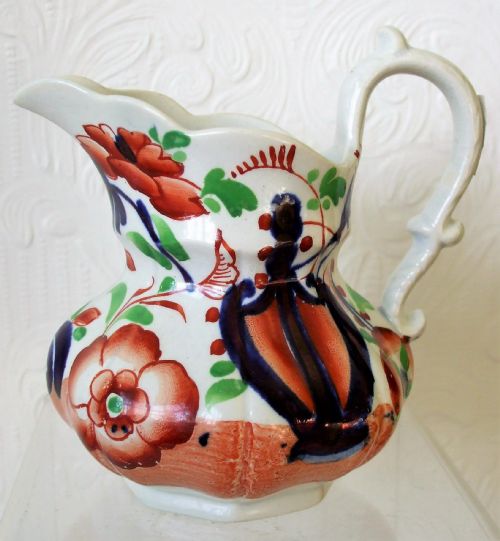


Imari Style Jug
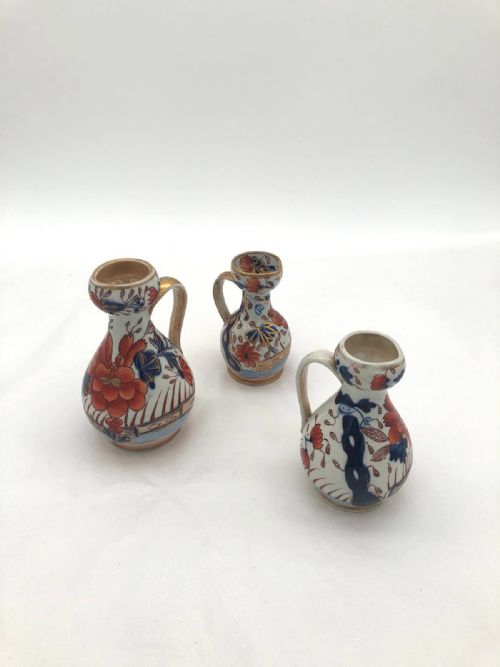
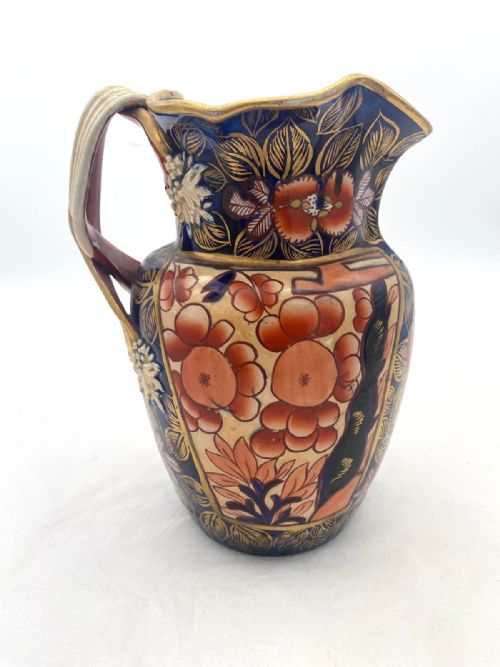
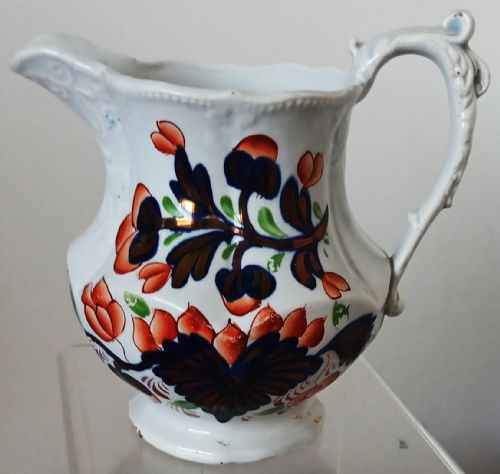
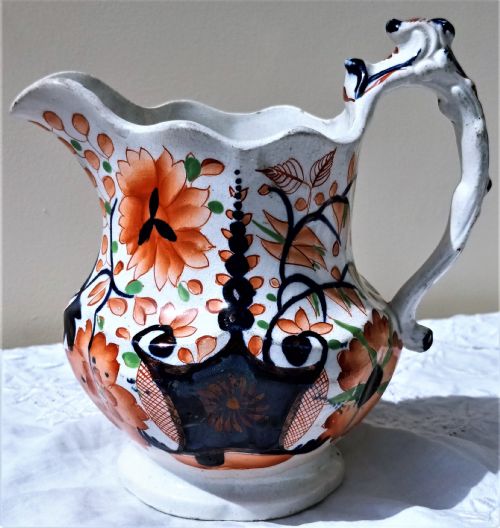
These imari style jug pieces combine rich ceramic traditions and bold decoration, offering a striking display of colour and pattern for any collector.
Imari Style Jug
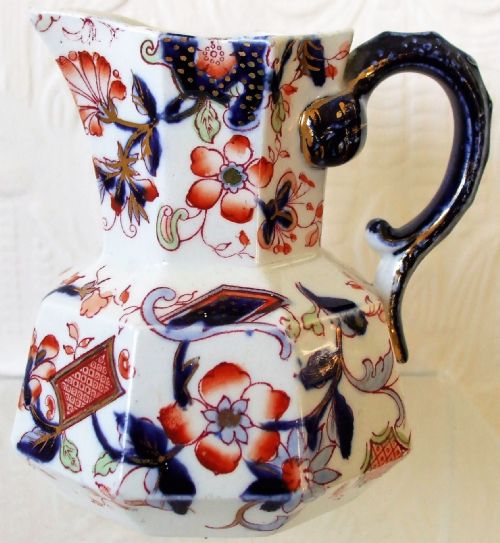
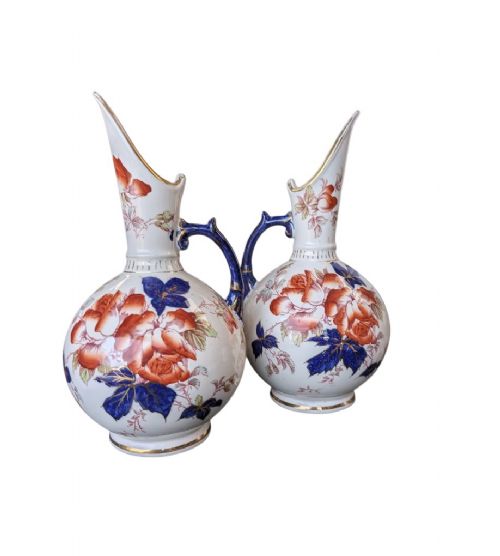
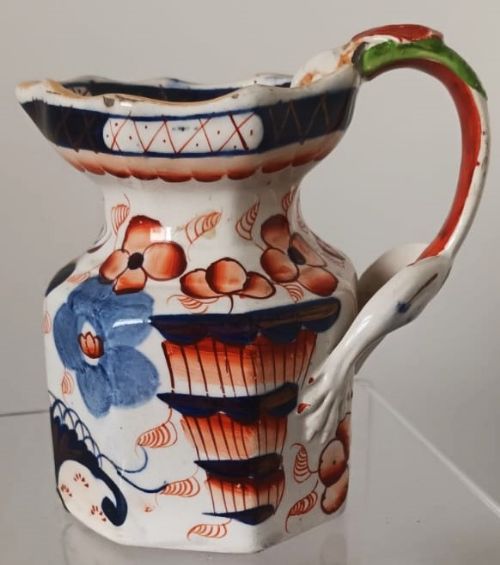
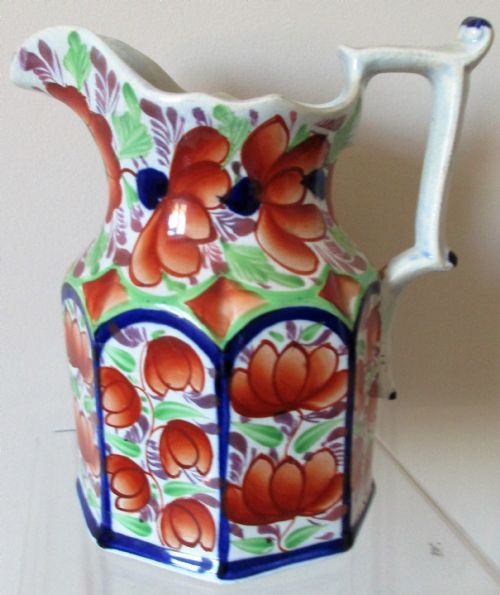
When you search for an imari style jug, you encounter an array of 19th-century ceramic pieces that reflect both Victorian tastes and Japanese design influences. These vessels encompass various forms, including pitchers, pouch jugs, and octagonal shapes.
Most items you meet on this page are earthenware, ironstone, or porcelain jugs and pitchers. Collectors also find complete tea services, jug and basin sets, and cream jugs bearing traditional motifs.
Materials and techniques
Potters constructed these vessels using robust ceramic bodies such as ironstone and earthenware, alongside finer porcelain. Manufacturers applied coloured enamel and glaze to seal the surface and build up intricate decorative schemes.
Makers enhanced the visual impact by incorporating gold leaf and gilding alongside vibrant enamels. This technique required precise kiln firing to fix the metallic leaf and colourful pigments permanently to the ceramic body.
The selection includes regional pottery patterns such as Gaudy Welsh alongside Japanese Imari and Kakiemon designs.
Judging quality in imari style jug pieces
Quality reveals itself in the precision of the hand-painted enamel work and the clarity of the underlying ceramic form. Pieces with crisp execution in patterns like the Pagoda or Fence and Doves demonstrate superior craftsmanship from established potteries.
The application of gold leaf and gilding differentiates standard domestic wares from more ornate production. Heavier, well-balanced ironstone and fine porcelain bodies provide structural integrity that elevates the piece.
Mason's Ironstone·Keeling and Co.·Davenport·Derby
The Imari Style Jug Glossary
- Ironstone
- A heavy, durable type of earthenware patented in the 19th century to imitate porcelain. It provides a sturdy body for large jugs and basin sets.
- Enamel
- Opaque glass used to paint coloured decoration onto fired ceramics. It sits slightly raised on the surface of the piece.
- Gilding
- The application of gold leaf or gold powder to ceramic surfaces. It highlights rims, handles, and specific pattern details.
- Porcelain
- A fine, vitrified ceramic material made from clay containing kaolin. It fires at high temperatures to achieve a white, translucent body.
Imari Style Jug: Frequently Asked Questions
How are imari style jug pieces dated?
Dating relies on stylistic markers, patterns such as Gaudy Welsh or Kakiemon, and the specific ceramic body used. Nineteenth-century examples often carry factory marks or characteristic ironstone weights.
Changes in Victorian manufacturing techniques and decorative motifs also help narrow down the production period for each vessel.
What materials make up an imari style jug?
These pieces consist primarily of ceramic bodies such as ironstone, earthenware, and porcelain. Makers finished them with colourful enamels and glazes.
Many examples feature added gold leaf and gilding to accentuate the painted motifs and patterns.
Were these jugs used daily?
Many ironstone and earthenware vessels served practical functions in 19th-century households for pouring liquids or forming part of tea services and wash sets.
Finer porcelain and heavily gilded examples often functioned more decoratively or for formal dining occasions.
How do I display an imari style jug?
Their bold colours and intricate patterns suit placement on open shelving, in cabinets, or as standalone centrepieces. Matching them with related ironstone or porcelain items enhances the visual display.
Placing them away from direct heat sources protects the enamel and gilded surfaces over time.