


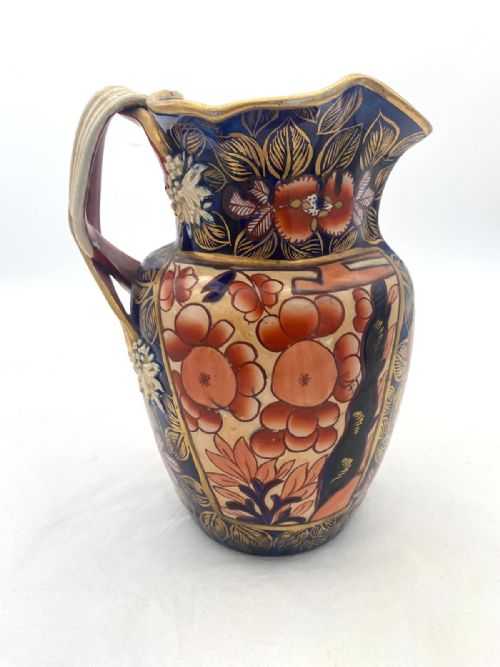
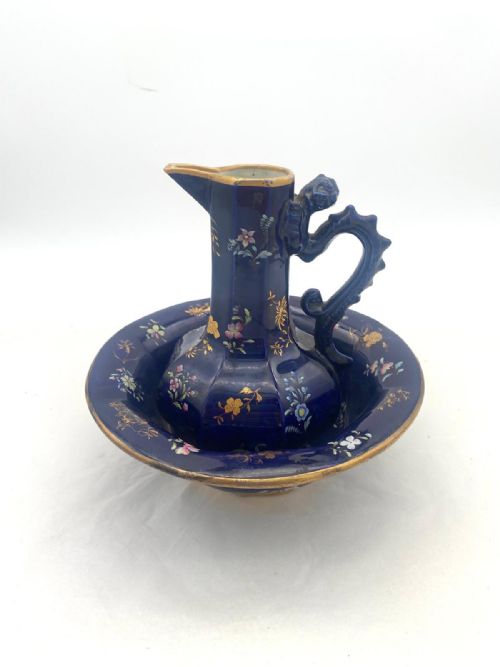

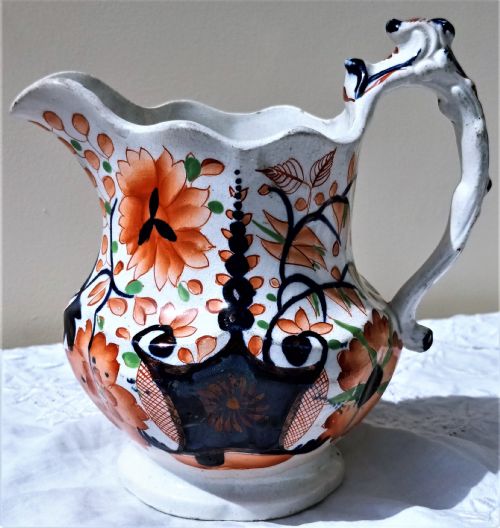
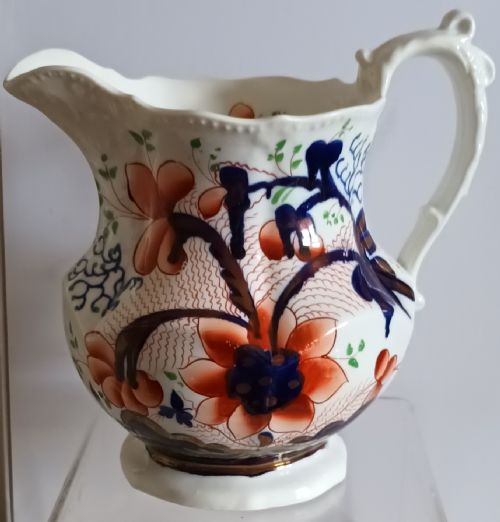
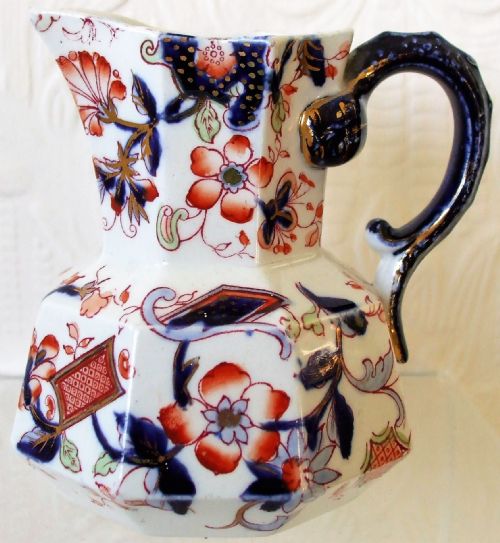


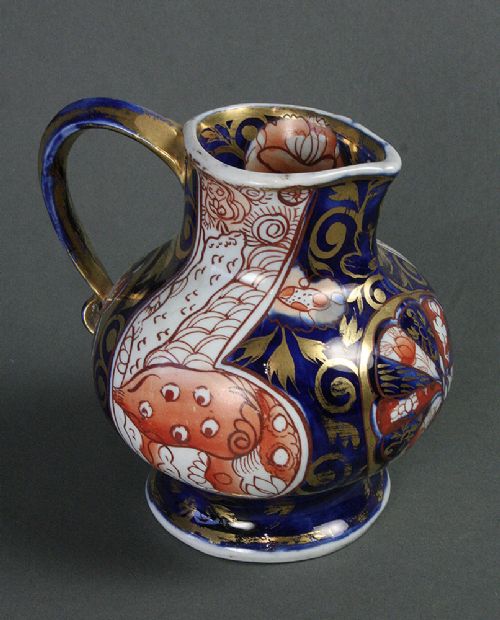
Cobalt Blue Ironstone Jug
These cobalt blue ironstone jugs combine dense ceramic body with striking deep blue decoration, offering robust utility and vibrant display character.
Cobalt Blue Ironstone Jug
Cobalt blue ironstone jugs encompass forms made primarily during the 19th Century, including Victorian and Georgian periods. Buyers encounter pitcher and jug designs alongside broader table services and wash sets.
Makers utilised distinct patterns such as the Bethesda, Pagoda, Aberaeron, and Schoolhouse motifs. Many pieces exhibit Chinoiserie aesthetics and specific structural designs like the Hydra form.
The objects function as utilitarian vessels or decorative ewers, ranging from miniature examples to large basin sets. Their enduring appeal rests in the combination of heavy ceramic durability and saturated cobalt pigmentation.
Materials and construction
Potters formed these items from heavy ironstone and earthenware ceramics, applying smooth glaze surfaces over the dense bodies. This composition provided substantial weight and resistance to everyday wear.
Cobalt Blue Ironstone Jug Retail Price Guide 2026
Typical asking prices for cobalt blue ironstone jug among the pieces listed under this phrase on Sellingantiques today, from the lower quarter to the upper quarter. They describe what is for sale here now, not the wider market.
Grotesque handles give fierce mythical life to otherwise sensible tea jugs.
Distinctions in quality
Superior examples display crisp transfer-printing or hand-painting within the cobalt blue ground, maintaining sharp pattern definition across complex surfaces like octagonal bodies and elephant foot shapes. Lesser pieces show blurred pigment borders or uneven glaze pooling.
The sophistication of moulded details, particularly serpent and grotesque handles, separates standard production items from masterworks. Integration of gilt or gold leaf accentuation further elevates the visual hierarchy of the piece.
Mason's Ironstone·Keeling & Co.
The Cobalt Blue Ironstone Jug Glossary
- Ironstone
- A heavy, durable type of earthenware patented in the 19th Century to imitate porcelain. It resists chipping far better than standard earthenware.
- Hydra jug
- A specific vessel shape characterised by a serpent-form handle and an angled spout. The design draws inspiration from classical antiquity.
- Chinoiserie
- A decorative style employing European interpretations of Chinese artistic motifs. It frequently appears on these jugs alongside cobalt blue landscapes and architectural scenes.
- Gilt
- A thin layer of gold applied to the ceramic surface for ornamentation. It highlights moulded elements and rim borders.
- Enamel
- A vitreous composition fused to the ceramic body through firing. It provides the deep blue coloration characteristic of these wares.
Cobalt Blue Ironstone Jug: Frequently Asked Questions
What periods do these jugs come from?
The available inventory spans the 19th Century, encompassing both the Georgian and Victorian eras. Production dates stretch from the early decades up to the early 20th Century.
Most examples originate from British potteries operating during the height of the ironstone manufacturing period. Specific datings often align with the stylistic eras recorded by the makers.
How were these jugs used?
These vessels served various domestic functions, from pouring liquids at the dining table to forming part of large wash basin sets in bedrooms. Miniature versions likely served decorative purposes or children's services.
The robust nature of ironstone allowed them to withstand daily household demands while retaining their ornamental cobalt decoration.
How should I display ironstone?
Display these jugs on stable shelving or sideboards where their substantial weight and deep cobalt patterns draw the eye. Grouping them with complementary earthenware or basins highlights their scale and colour.
Ensure placement protects protruding handles, such as serpent or grotesque forms, from accidental knocks.