


Imari Style China
Imari style china brings together rich iron-red and cobalt-blue palettes with gilt highlights across nineteenth-century plates, jugs, and tea wares.
Imari Style China
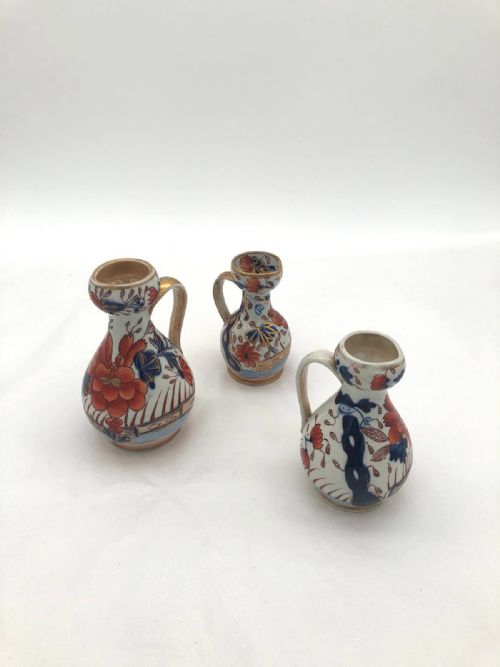
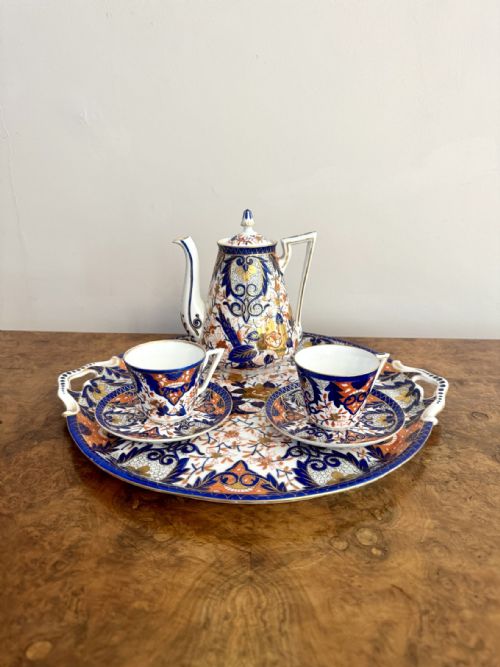
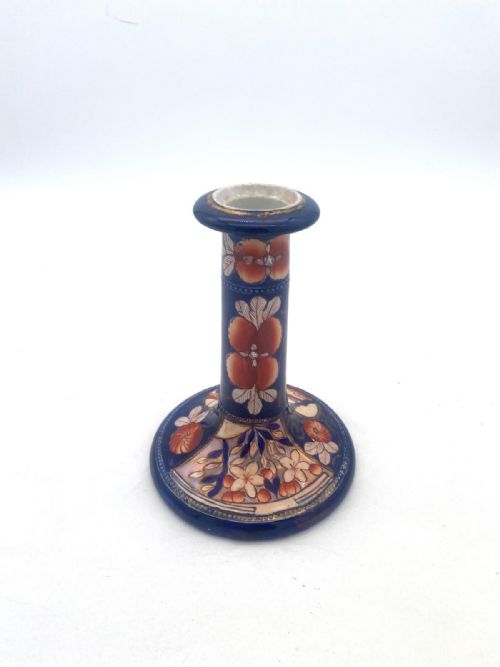
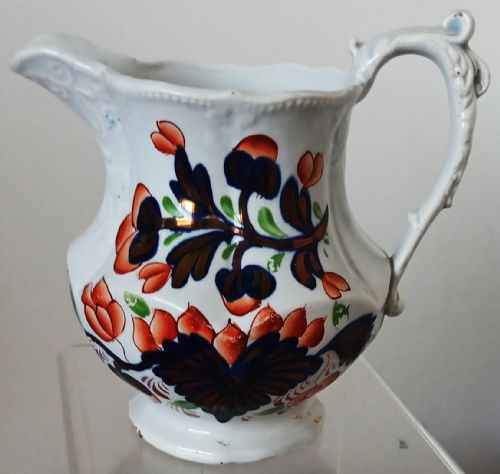
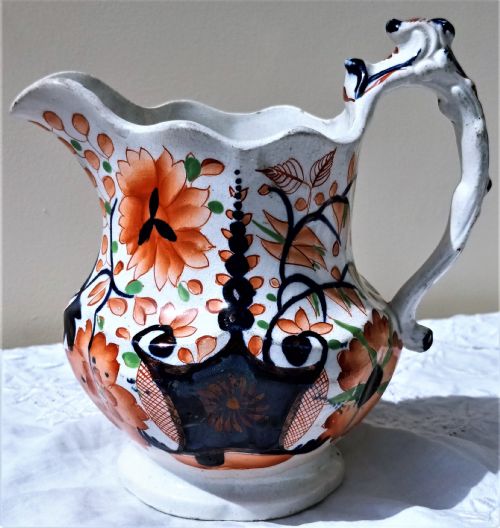
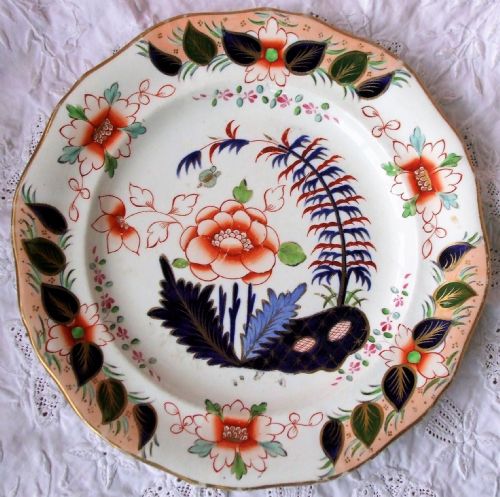
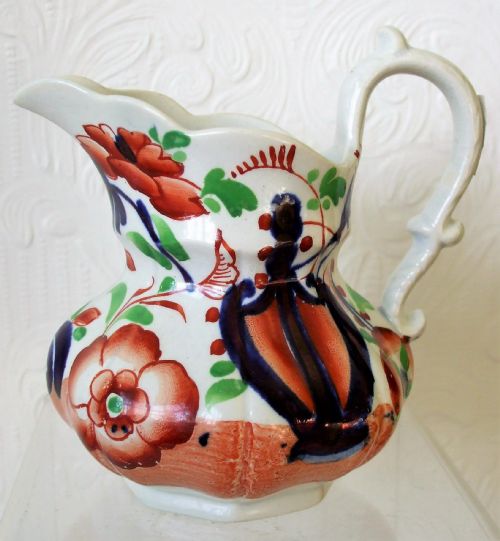
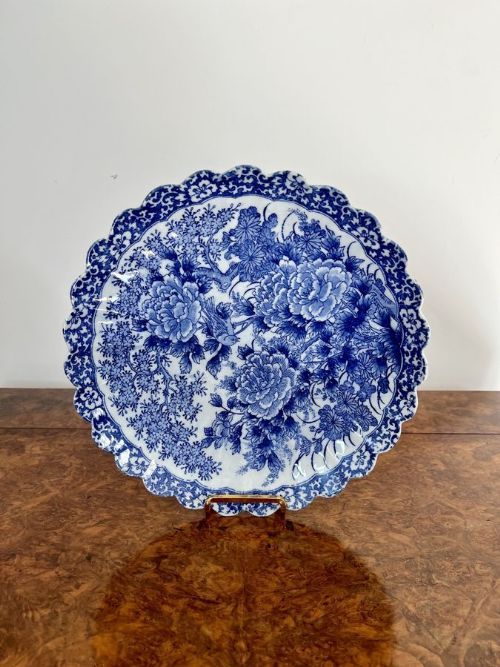
When searching for imari style china, buyers encounter a range of nineteenth-century decorative items produced by English and Japanese makers. These pieces span utility and display, including plates, dessert services, soup bowls, tureens, and jugs.
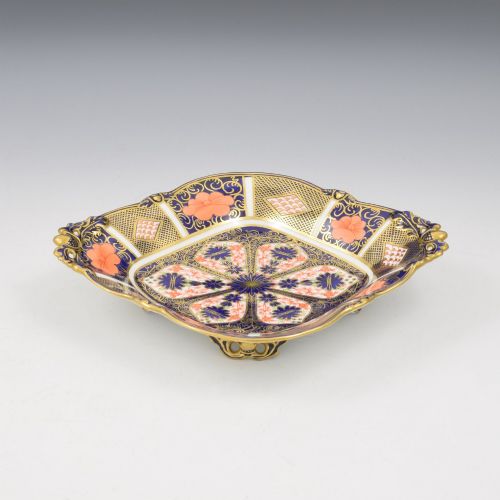
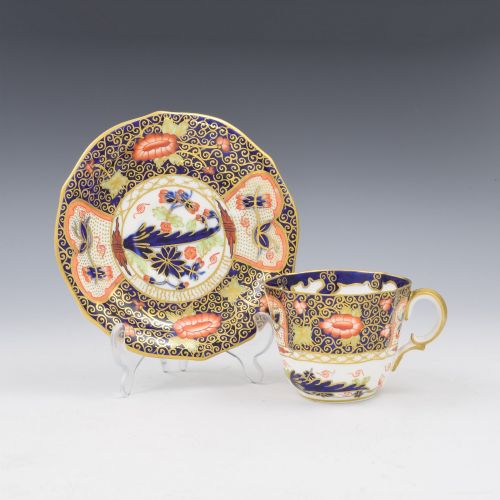
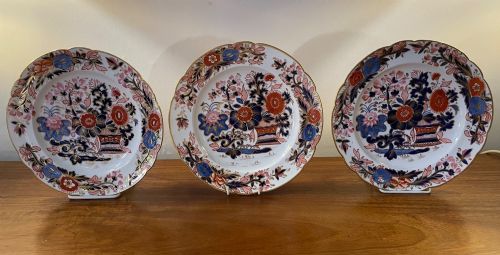
The English interpretations, often associated with factories such as Royal Crown Derby, Mason's, and Chamberlain Worcester, adapt traditional Japanese designs into robust ironstone and refined porcelain bodies. These items frequently appear as matching services or individual serving dishes decorated in distinct regional patterns.
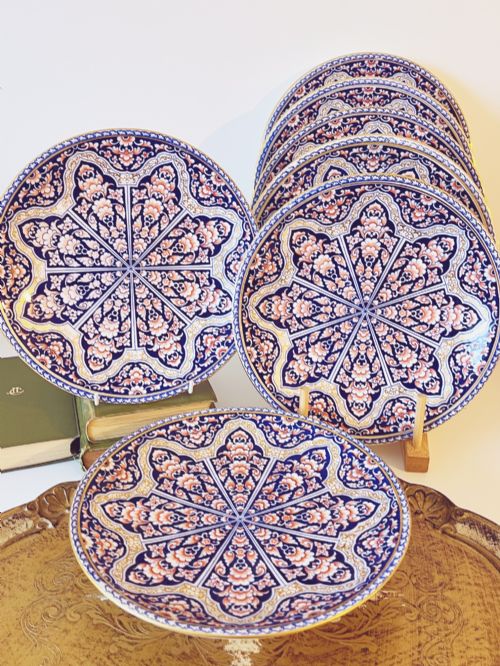
Japanese imports from the period also feature prominently, offering scalloped edge bowls and plates executed in classic blue, white, and red ceramic finishes. Buyers meet both domestic earthenware and hard-paste porcelain forms suited to traditional table settings.
Materials and production techniques
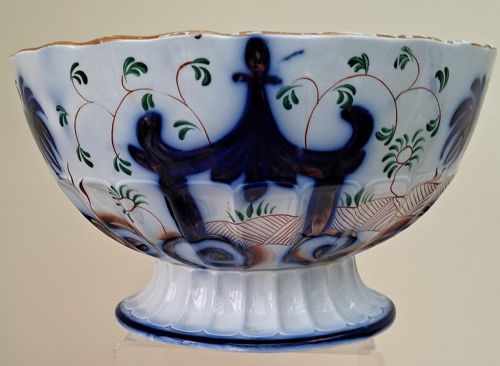
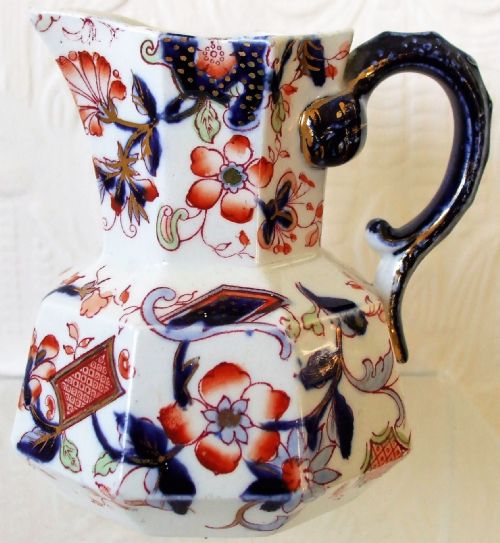
Makers utilised durable ironstone, refined porcelain, and traditional earthenware bodies as the foundation for these items. Potters shaped these materials into octagonal jugs, footed bowls, and pierced serving trays using established moulding and throwing methods.
Decoration relied on hand-painted enamel colours combined with applied gold leaf and rich glaze layers. Firing techniques fixed the characteristic iron-red, cobalt, and gilt motifs onto the ceramic surface, creating deep contrast and lasting surface sheen.
Potters delighted in naming patterns after garden pests and farmyard animals, giving us the delightful Indian Grasshopper and Crazy Cow motifs.
What separates the grades
Quality rests in the precision of the hand-painted detailing and the crispness of the moulded ceramic form. Pieces executed with steady brushwork and deep, saturated enamel colours sit at the upper end of the range.
The application of gold leaf and the complexity of patterns such as the dragon in compartments or traditional Japanese panels distinguish standard factory output from exceptional works by premier potteries.
Royal Crown Derby·Mason s·Chamberlain Worcester·Flight Barr And Barr·Stevenson And Hancock·John Davenport Of Longport·Ridgways China·Keeling And Co·Minton
The Imari Style China Glossary
- Ironstone
- A patented ceramic body developed in the nineteenth century for strength and durability. It provides a heavy, opaque base suitable for dense enamel decoration.
- Gilt
- A thin layer of gold applied to ceramic surfaces for highlights and borders. It catches the light and frames the central painted patterns.
- Imari palette
- A distinct colour scheme featuring iron-red, cobalt blue, and gold. This combination imitates the traditional export wares originating from Japan.
- Tureen
- A deep covered serving dish used for soups or sauces. These items often feature matched ladles and stands.
- Ashet
- A large flat platter or serving dish used for presenting joints of meat at the table. The term is common in nineteenth-century Scottish and English households.
Imari Style China: Frequently Asked Questions
What is imari style china?
Imari style china refers to ceramics decorated with a signature palette of cobalt blue, iron-red, and gold leaf. These designs draw inspiration from Japanese export porcelain originally shipped through the port of Imari.
English potteries adopted this aesthetic during the Georgian and Victorian eras, applying the vibrant motifs to ironstone and porcelain tea services, plates, and decorative jugs.
How do I identify a period piece?
Dating relies on factory marks, pattern numbers, and the specific composition of the ceramic body. Nineteenth-century pieces often feature impressed or printed maker marks underneath the glaze.
Examining the weight of the ironstone or the translucency of the porcelain helps distinguish early production periods from later twentieth-century decorative reproductions.
Can I use these antiques daily?
Most buyers choose to display these ceramics or reserve them for careful occasional use rather than heavy daily service. Hand-washing in warm water preserves the delicate enamel paints and gold leaf highlights.
Avoiding dishwashers and harsh detergents protects the historic glaze from scratching and fading over time.