


Terracotta Ceramic Plates
Terracotta ceramic plates are robust earthenware tableware and decorative chargers that bring warmth and tactile presence to a dining table or wall.
Terracotta Ceramic Plates
Terracotta ceramic plates encompass utilitarian earthenware and decorative chargers that draw on centuries of fired clay traditions. When searching for terracotta ceramic plates, buyers encounter forms ranging from heavy ironstone dishes to slipware bowls produced across the eighteenth and nineteenth centuries.
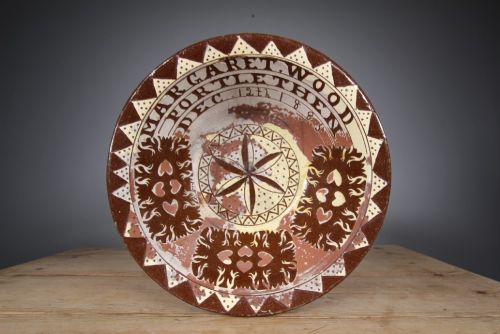
The selection on this page demonstrates how potters shaped basic clay into durable dinnerware and ornamental wall plaques. Pieces span Victorian domestic production alongside Georgian and earlier ceramic traditions.
Materials and construction
Potters shaped these objects using earthenware, ironstone, and porcelain bodies, applying lead glazes and enamel pigments for surface decoration. Slip was trailed onto clay surfaces to create linear patterns before firing.
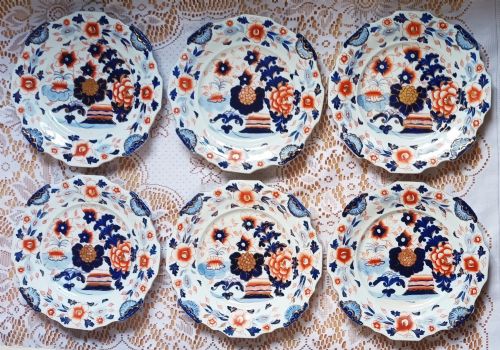
Makers utilised high-temperature kilns to vitrify ironstone and earthenware, ensuring structural stability for daily dining or display. Hand-painted enamels and gold leaf were subsequently applied to glazed surfaces.
Materials represented range from basic slipware and earthenware to refined porcelain, enamel, and gold leaf highlights.
Assessing quality and execution
Quality rests in the crispness of the hand-painted brushwork and the evenness of the glaze application across the earthenware body. Superior examples display precise control in polychrome enamel details without blurring or running.
The weight and resonance of the ceramic body distinguish robust utilitarian ironstone from finer decorative earthenware plates. Greater articulation in moulded relief work signals superior workshop output.
Doulton·Wedgwood·Minton·Mason
The Terracotta Ceramic Plates Glossary
- Earthenware
- Porous pottery fired at lower temperatures than stoneware or porcelain. It requires a glaze to become impermeable to liquids.
- Ironstone
- A dense, durable type of earthenware patented in the nineteenth century. It mimics porcelain while offering greater resistance to chipping.
- Slip
- Liquid clay suspended in water, used for coating or decorating ceramic bodies before firing. Potters trail it onto plates to create raised linear patterns.
- Imari palette
- A decorative scheme employing underglaze blue, iron red, and gilt. It originated in Japan and heavily influenced European ceramic design.
- Charger
- A large decorative plate or shallow bowl used primarily for display or service rather than individual dining.
Terracotta Ceramic Plates: Frequently Asked Questions
Can I use these plates for dining?
Many of these pieces were originally created as functional dinnerware services or heavy ironstone plates for daily use. However, older lead glazes and hairline cracks require careful consideration before serving food.
Examine the glaze integrity of each individual plate. If the surface shows extensive crazing or wear, reserve the piece for display rather than meals.
How should I hang wall plaques safely?
Utilise coated spring-loaded plate hangers that distribute weight evenly across the rim without exerting pressure on a single point. Ensure the wall fixing is secured into a stud or uses a proper masonry plug.
Keep decorative plates away from direct sunlight and areas subject to sudden temperature fluctuations. Check the security of the hanging hardware periodically.
How do I distinguish ironstone from porcelain?
Ironstone is a heavy, opaque earthenware that produces a dull thud when tapped gently. Porcelain is translucent when held to the light and rings with a clear, high-pitched tone.
Inspect the unglazed footring of the plate. Ironstone displays a granular biscuit body underneath, whereas true porcelain appears vitrified and glassy.