



Cobalt Ironstone China Plates
Cobalt ironstone china plates are sturdy, patterned earthenware services designed for regular use, combining deep blue pigments with tough ceramic bodies.
Cobalt Ironstone China Plates
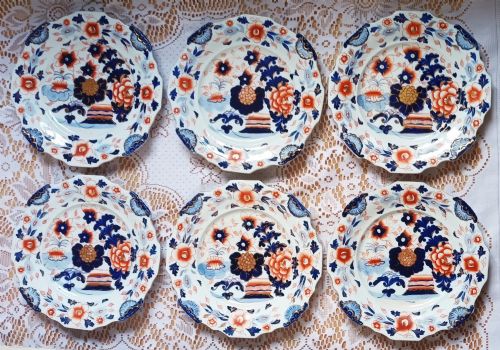
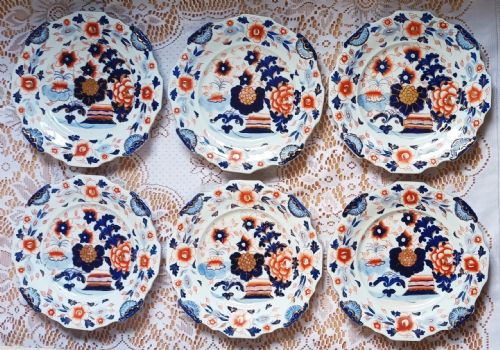
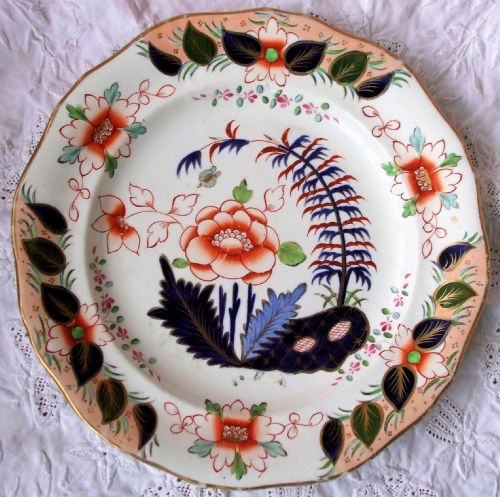
When buyers search for cobalt ironstone china plates, they encounter durable ceramic tableware produced during the nineteenth century and the Regency era. These pieces generally display transfer-printed or hand-painted patterns in rich blue tones, often alongside ironstone, glaze, and gilding.
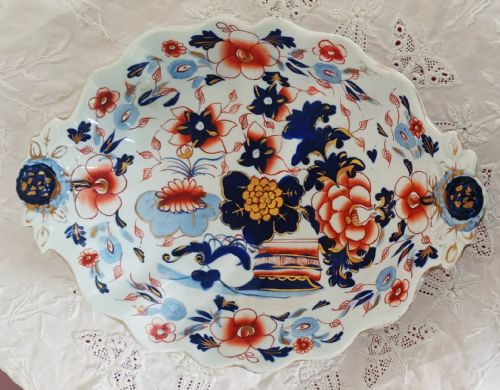
The versions most frequently met on this page include Georgian and Victorian examples featuring traditional patterns such as Japan, Imari, Tonquin China, and old school house designs. Forms span dinner plates, soup bowls, comports, and serving dishes.
Makers such as John Davenport of Longport and Mason's dominate the recorded output, reflecting the prominent factories of the period. Buyers find both individual items and larger sets suitable for display or dining.
Assessing quality in ironstone tableware
Quality depends on the crispness and complexity of the cobalt decoration, whether applied by hand or transfer printing. Pieces with careful hand-painted details and additional gold leaf or enamel work stand apart from simpler production items.
The condition of the glaze and the preservation of the underlying ironstone body dictate desirability. Uniformity across matched sets and legible maker marks from prominent potteries further distinguish superior examples.
Cobalt Ironstone China Plates Retail Price Guide 2026
Typical asking prices for cobalt ironstone china plates among the pieces listed under this phrase on Sellingantiques today, from the lower quarter to the upper quarter. They describe what is for sale here now, not the wider market.
Listings feature nineteenth-century ironstone china pieces decorated with cobalt blue, gold leaf, and enamel across Georgian and Victorian periods.
John Davenport of Longport
The Cobalt Ironstone China Plates Glossary
- Ironstone china
- A dense, durable ceramic body patented in the nineteenth century to imitate Chinese porcelain while offering greater strength. It forms the heavy foundation for these plates and serving dishes.
- Comport
- A raised vessel or dish used for serving fruit and sweet items at the table. These pedestal pieces often match the surrounding dinnerware.
- Ashet
- A large oval platter used for serving meat or main dishes at the table. The term appears frequently in Scottish and northern English trade contexts.
- Platter drainer
- A ceramic insert placed inside a serving dish to separate meats from their juices. These pierced pieces fit neatly within larger platters.
- Imari pattern
- A decorative style inspired by Japanese export wares, utilising cobalt blue, iron red, and gold leaf. Nineteenth-century potteries reinterpreted these motifs on ironstone bodies.
Cobalt Ironstone China Plates: Frequently Asked Questions
Can I use these plates every day?
These nineteenth-century ironstone pieces possess robust ceramic bodies originally built for heavy dining use. Modern owners often use them carefully for special meals.
Hand washing preserves the delicate glaze, enamel colours, and gold leaf highlights far better than automated dishwashers.
How do I spot a genuine nineteenth-century piece?
Genuine examples display the heavy weight and dense feel characteristic of nineteenth-century ironstone composition. Look for characteristic crazing in the glaze and traditional maker stamps on the underside.
Older pieces often show subtle firing imperfections and hand-applied blue pigments rather than modern printed uniformity.
What is the difference between Japan and Imari patterns?
Japan patterns on nineteenth-century ironstone typically combine deep cobalt blue transfer printing with rich enamel colours and gilding. They draw heavily on aesthetic traditions imported from East Asia during the Regency and Victorian eras.
Imari styles specifically emphasise a palette of cobalt blue, iron red, and gold, creating a distinct visual contrast across the plate surface.
How should I display my ironstone plates?
Plates and comports look striking arranged on sturdy plate racks or displayed within enclosed wooden cabinets. Proper plate hangers support the heavy ceramic weight safely.
Keep display areas away from direct sunlight to protect any overglaze enamel colours and gold leaf details from fading over time.