






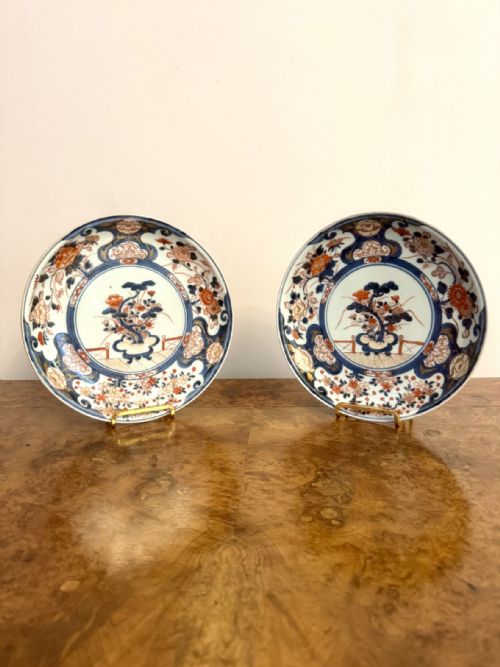
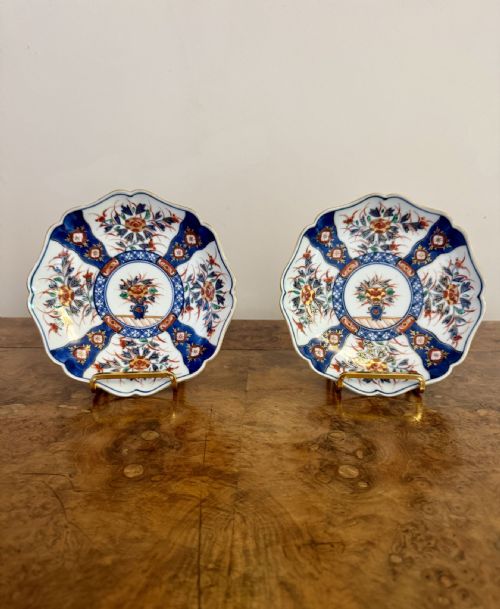
Imari Porcelain Wall Dishes
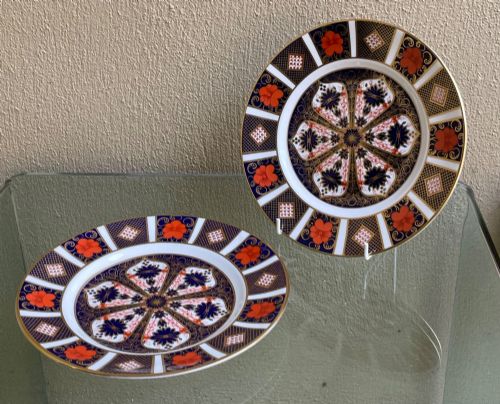
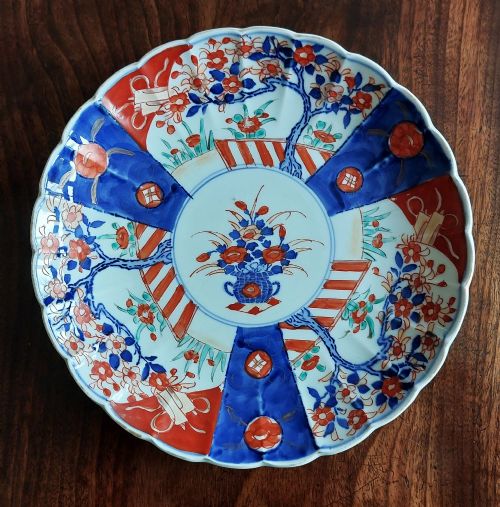
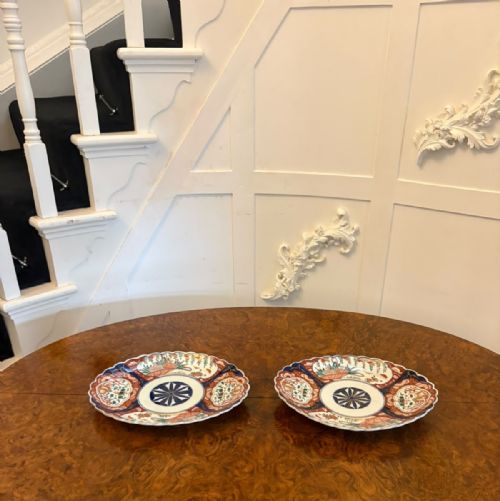
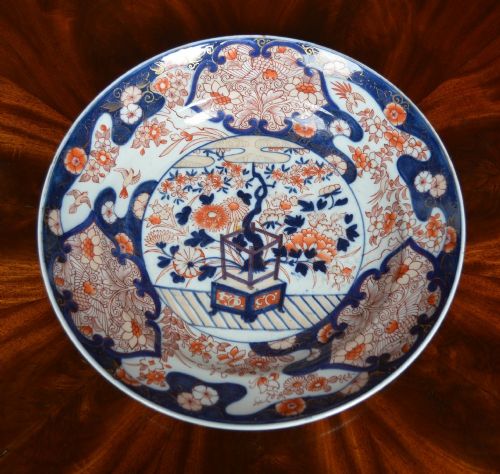
These imari porcelain wall dishes bring centuries of vibrant colour and intricate pattern straight to your walls.
Imari Porcelain Wall Dishes
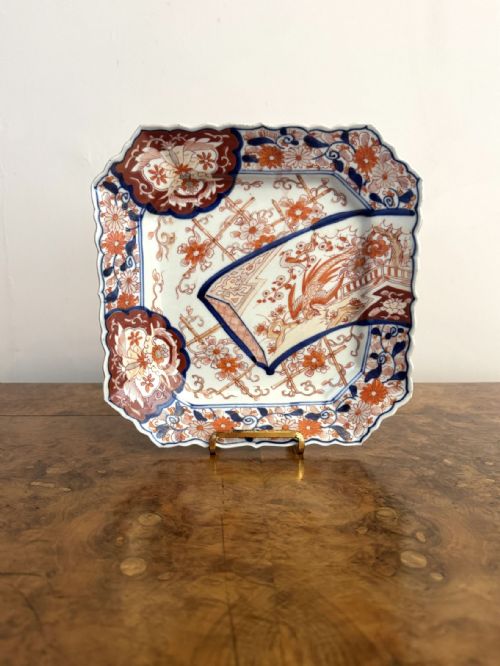
When you search for imari porcelain wall dishes, you encounter a striking array of decorative plates and large chargers designed for display. These pieces originate primarily from Japanese Meiji and Edo periods, alongside Chinese export wares and English Georgian productions.
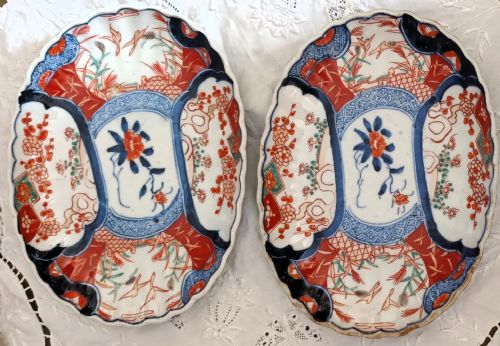
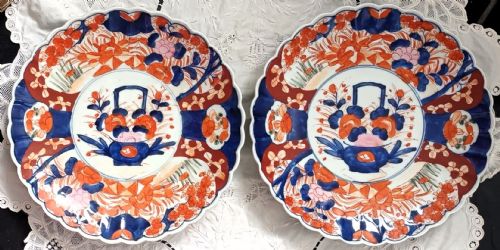
The objects on this page span from the eighteenth century through to the mid twentieth century, featuring both round and scalloped edges. Japanese Arita imari and nineteenth century examples form the core of what you meet here.
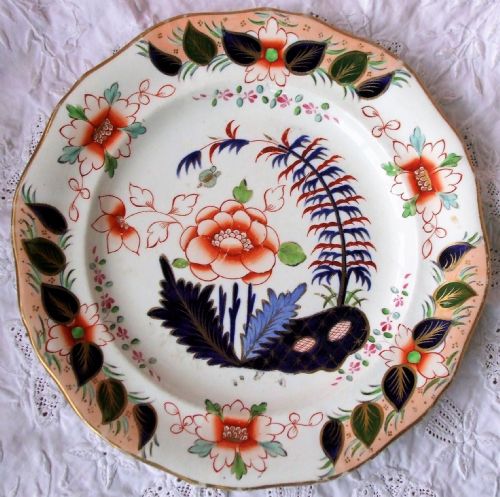
Makers such as John Davenport of Longport and Worcester represent the English interpretation of the style, working in ironstone and porcelain. Meanwhile, the Japanese plates depict subjects like the Seven Lucky Gods and exotic birds.
How they were made
Potters built these plates using ceramic and porcelain bodies, applying cobalt underglaze beneath clear protective glazes. This established the foundational blue tones characteristic of the tradition.
Enamel colours and gold leaf or gilt were then added over the glaze, often fired multiple times to fix the rich palette. Artisans shaped pieces into square forms, oval dishes, and wide chargers with scalloped borders.
Listings feature porcelain, enamel, gold leaf, and cobalt underglaze across Victorian, Georgian, and Meiji periods.
What varies in quality
The distinction between standard examples and superior pieces rests on the precision of the hand painting and the complexity of the composition. Plates depicting detailed figures such as the Seven Lucky Gods demonstrate greater artistic ambition than simpler geometric borders.
The vibrancy of the cobalt underglaze combined with the crisp application of enamel and gold gilt determines visual impact. Unusual shapes, such as square plates or deep chargers, require higher technical skill during firing.
John Davenport of Longport·Worcester Flight Barr and Barr
The Imari Porcelain Wall Dishes Glossary
- Imari Style
- A decorative ceramic style originating in Japan and later copied in Europe, characterised by a palette of cobalt blue, iron red, and gold.
- Charger
- A large decorative plate traditionally used for display rather than for serving food at the table.
- Cobalt Underglaze
- A blue pigment applied to the raw ceramic body before glazing and firing, ensuring the colour sits permanently beneath the glass surface.
- Meiji Period
- An era in Japanese history spanning from 1868 to 1912, known for prolific porcelain production and international export.
- Ironstone
- A type of durable heavy earthenware developed in nineteenth century England as a robust alternative to porcelain.
Imari Porcelain Wall Dishes: Frequently Asked Questions
How were imari wall dishes originally displayed?
These chargers and plates were primarily used as decorative showpieces in principal rooms to demonstrate household taste.
Owners often mounted them on walls or placed them upright on sideboards to showcase the rich cobalt and gold detailing.
What is the difference between Japanese and English imari?
Japanese imari porcelain originates from Arita and relies on traditional Edo and Meiji period painting techniques.
English imari consists of local factories like Worcester and John Davenport adapting the palette onto porcelain and ironstone bodies.
How do I date an imari plate?
Dating relies on observing the body material, the clarity of the cobalt underglaze, and the style of the overglaze enamels.
Japanese Meiji pieces often feature specific bird and deity motifs, while eighteenth century Chinese export wares display distinct potting characteristics.
Can I hang these heavy chargers safely?
Large chargers require robust, purpose-built wall fixings that distribute the weight evenly across the base and rim.
Spring-loaded brass wire hangers designed for heavy ceramics provide a secure grip without damaging the scalloped edges.