







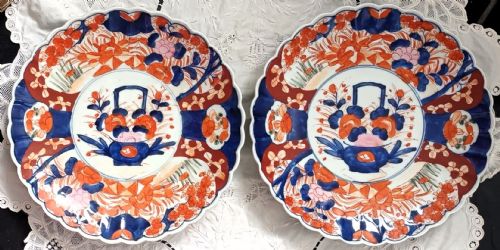
Imari Decorative Charger
These imari decorative charger examples bring rich palettes of cobalt underglaze, enamel, and gold leaf into rooms that need weight and pattern.
Imari Decorative Charger
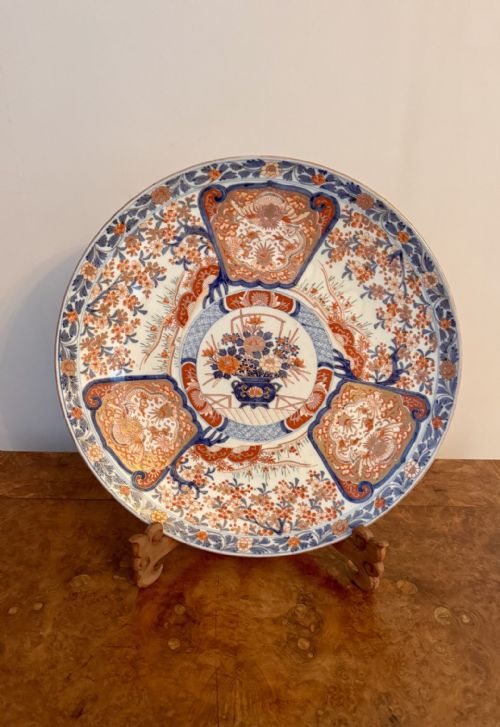
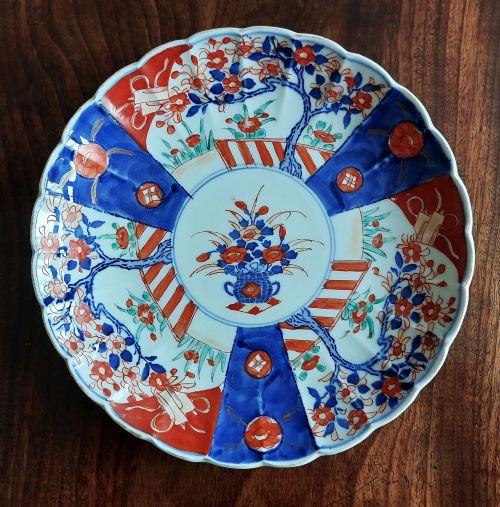
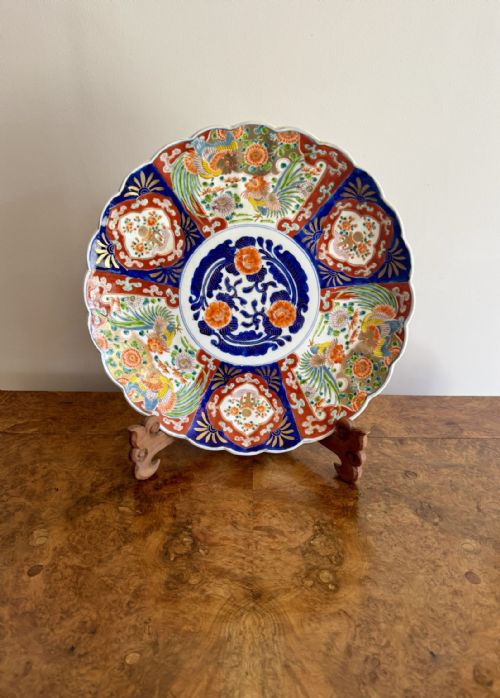
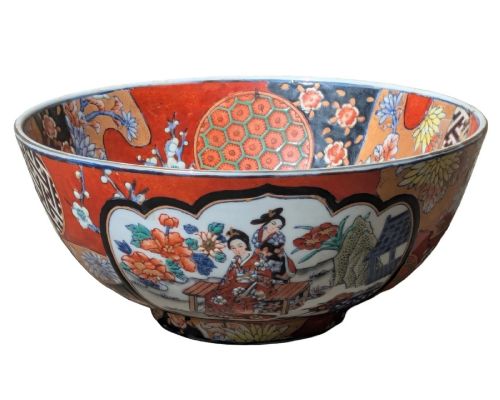
An imari decorative charger represents a broad tradition of heavy ceramic display pieces created in Japan, China, and Europe across the eighteenth and nineteenth centuries. Buyers searching this phrase meet large porcelain dishes and bowls decorated in dense, contrasting palettes designed primarily for visual impact rather than dining.
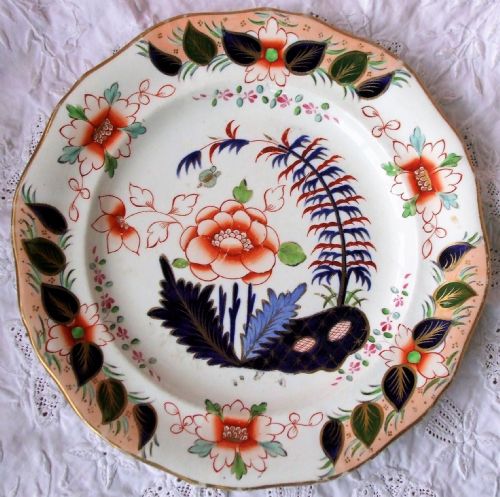
The objects appearing most frequently on this page date from the late nineteenth and early twentieth centuries, particularly the Meiji period and around nineteen hundred. Alongside these Japanese works, the selection includes Chinese export examples and English ironstone pieces adopting the distinctive pattern style.
Materials and Technique
Potters built these pieces using ceramic bodies and porcelain, applying cobalt underglaze for deep blue motifs before firing the pieces in kilns. Enamel colours and gold leaf or gilding were added in subsequent low-temperature firings to create the layered, textured surfaces characteristic of the style.
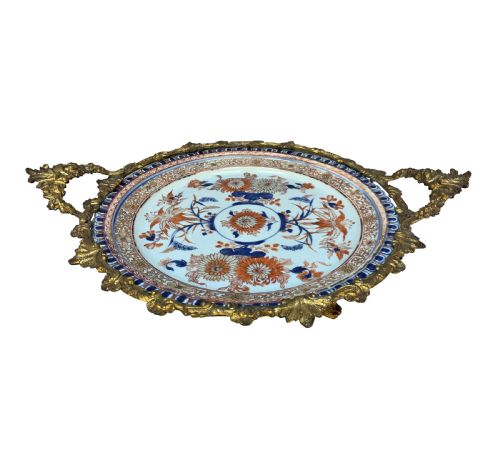
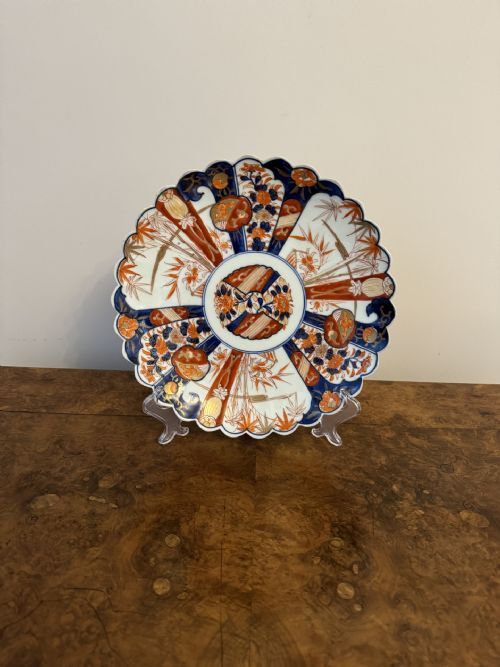
Makers shaped the clay into round, square, or scalloped edges, occasionally housing the finished porcelain in ormolu mounts for European export markets. Hand-painted floral, bird, and figural designs dominate the decoration across all periods.
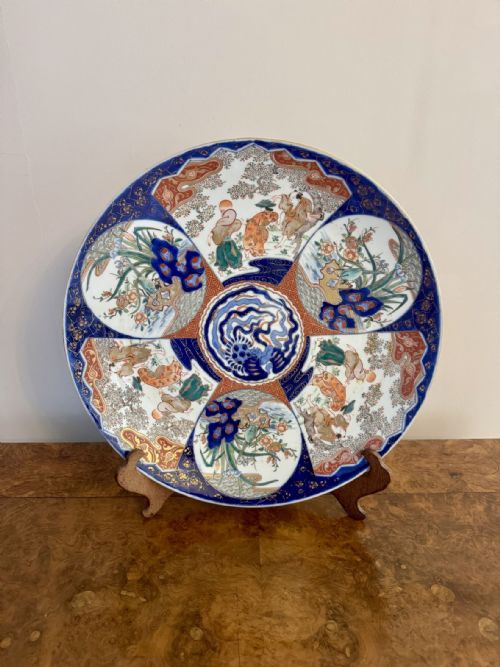
Some nineteenth-century chargers depict the Seven Lucky Gods sharing space with native birds, proving that even deities enjoy good company.
Quality Variations
The strength of the hand-painted brushwork distinguishes standard production from exceptional work, particularly in the precision of floral and bird motifs or depictions of figures like the Seven Lucky Gods. Crisp definition in the cobalt underglaze and careful application of gold leaf indicate superior workshop output.
Structural complexity also separates ordinary dishes from high-end items, such as unusual square shapes, deep scalloped edges, or large diameters that tested the limits of the kiln. Pieces retaining vibrant enamel colours without significant rubbing show better preservation through successive generations.
John Davenport of Longport
The Imari Decorative Charger Glossary
- Charger
- A large decorative plate intended for display on a wall, sideboard, or cabinet rather than practical table service. These substantial dishes command visual attention in a room.
- Cobalt Underglaze
- A blue pigment applied to raw ceramic before glazing and firing, creating a permanent design beneath the glassy surface. This deep blue forms the foundational tone of traditional imari patterns.
- Enamel
- Opaque glass-like paint applied over the fired glaze and fixed in a second, cooler kiln firing. It provides the vibrant reds, greens, and oranges seen across these pieces.
- Gilding
- The application of gold leaf or powdered gold onto the ceramic surface to highlight specific elements of the design. This metallic detail catches the light against the dark blue and white background.
- Meiji Period
- A Japanese historical era lasting from eighteen sixty-eight to nineteen twelve, associated with prolific ceramic production for domestic and export markets. Many nineteenth-century chargers originate from this era.
- Arita
- A Japanese town and the historical centre of porcelain production in Hizen province, where imari wares were originally fired. Pieces attributed to this region represent the core of the Japanese ceramic tradition.
Imari Decorative Charger: Frequently Asked Questions
How were imari decorative chargers used originally?
These large plates served primarily as decorative showpieces on sideboards, walls, or tables in affluent interiors rather than functional tableware. Their striking palette of cobalt blue, iron red, and gold leaf was designed to catch the light and impress visitors.
In European and Asian homes alike, groups of chargers displayed status and an appreciation for imported ceramic artistry. They remained ornamental objects due to their size and valuable gilded surfaces.
How can I tell Japanese imari from Chinese export pieces?
Japanese pieces from the Meiji period or earlier often display denser, busier compositions featuring iron red, cobalt underglaze, and heavy gold leaf on a stark white porcelain body. The clay body and brushwork reflect traditional Japanese kiln techniques from regions like Arita.
Chinese export items made in the imari style generally exhibit a lighter touch, with smoother porcelain bodies and slightly different interpretations of floral or figural motifs. Examining the base and the specific shades of blue helps clarify the geographic origin.
Are these chargers safe to hang on walls?
Most large imari plates and chargers can be displayed on walls using properly fitted, rubber-tipped spring hangers designed for heavy ceramics. The sturdy porcelain bodies of these nineteenth-century and earlier pieces tolerate secure mounting well.
Care must be taken to choose a hanger that distributes the weight evenly across the rim without putting pressure on hairline cracks or existing repairs. Periodic checks ensure the hardware remains secure.
What does the imari pattern actually look like?
The classic imari palette relies on a striking combination of deep cobalt underglaze blue and fiery iron red, typically augmented with generous amounts of gold leaf. Designs frequently incorporate intricate florals, birds, and occasionally narrative scenes.
Unlike simple blue and white ceramics, imari works are distinguished by this rich, multi-coloured layering and symmetrical panel layouts. The effect is intensely decorative and visually textured.