






Imari Decorative Bowl
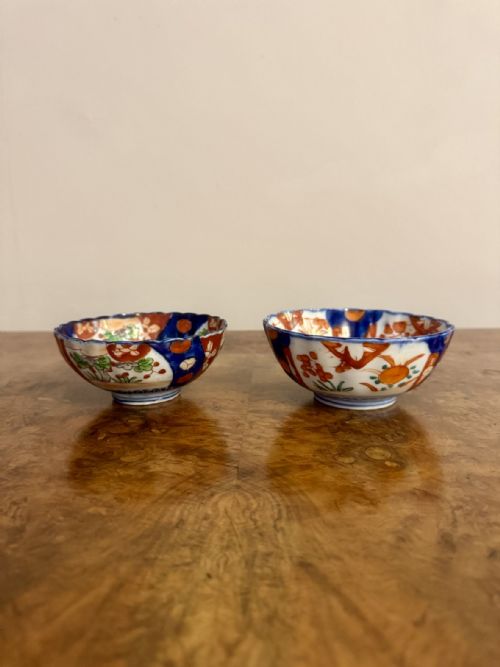
An imari decorative bowl brings together rich cobalt blue and iron red pigments on porcelain, creating a striking centrepiece for a room.
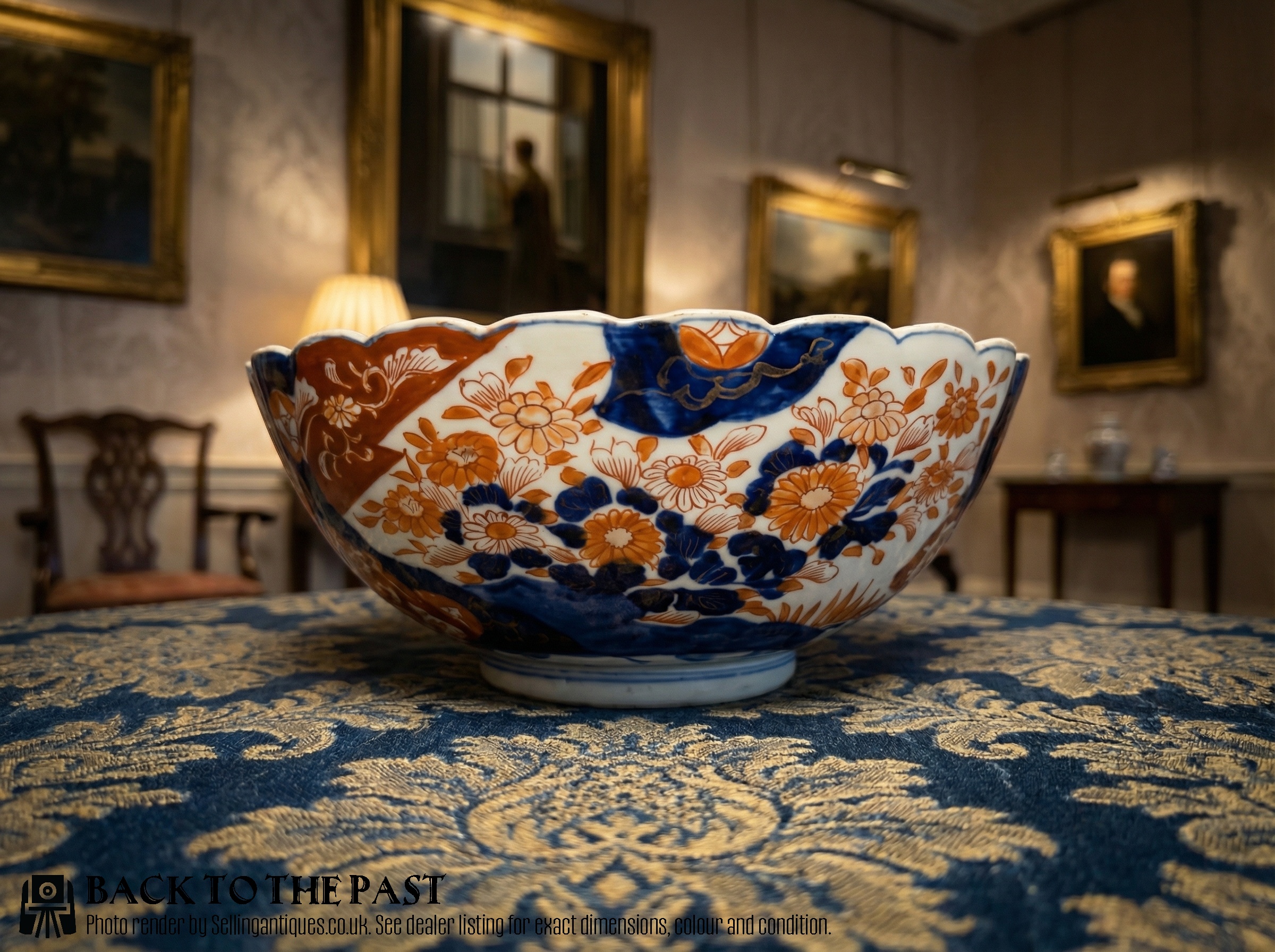
Imari Decorative Bowl
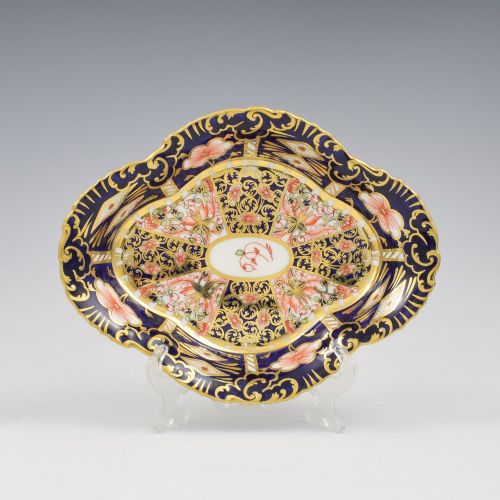
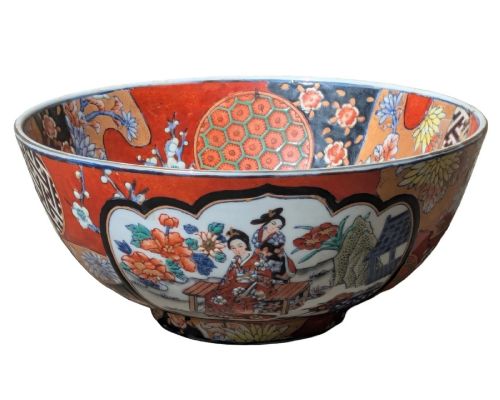
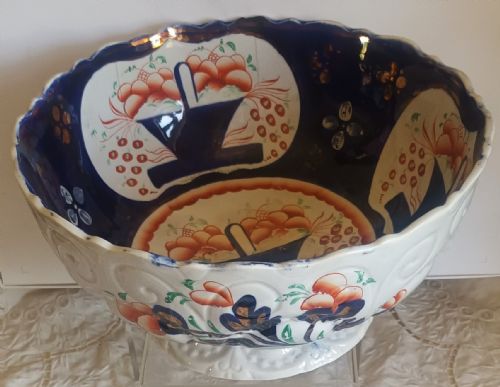
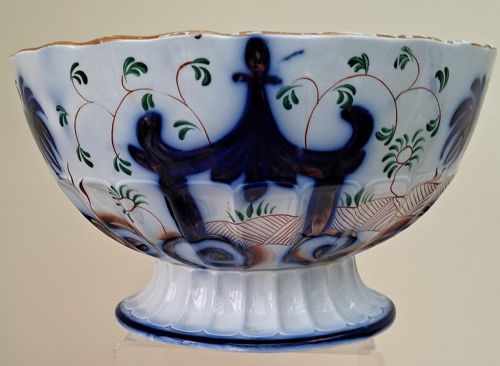
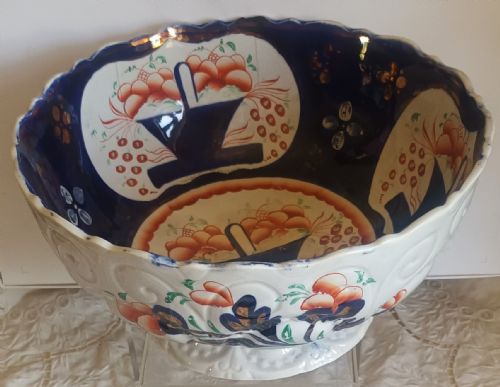
When you search for an imari decorative bowl, you encounter pieces spanning from the seventeenth century through to the Edwardian era and the Showa period. The selection here leans heavily towards Japanese export examples from the Meiji period and around nineteen hundred, alongside earlier Edo period pieces and nineteenth century British interpretations like Gaudy Welsh.
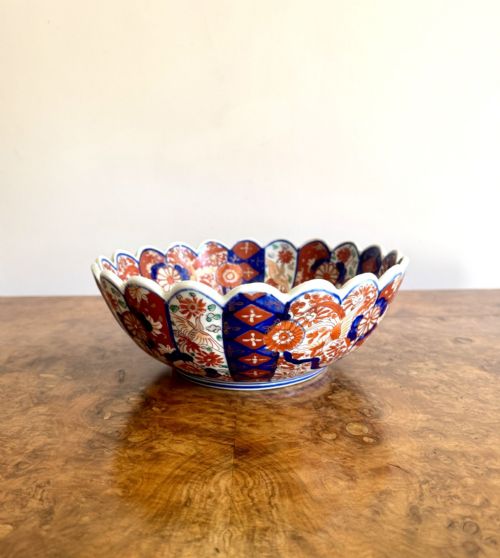
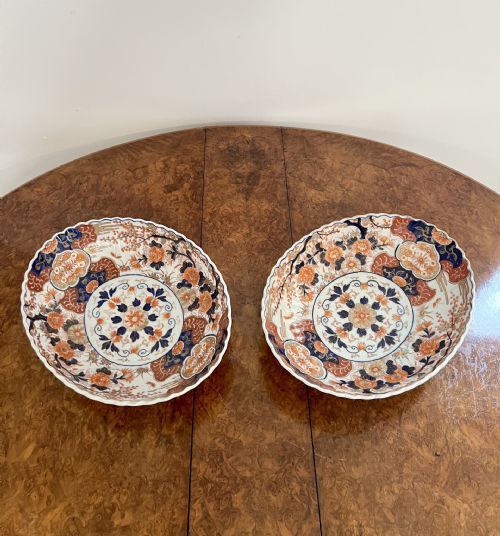
These vessels arrive in various forms beyond the standard circular bowl, including scalloped edges, fluted sides, hexagonal shapes, and boat forms. You also find related items such as decorative plates, dishes, lidded jars, and tripod bowls sharing the same palette and origin.
Originating primarily from Arita in Japan, the traditional aesthetic employs distinct underglaze blue and overglaze red, frequently enriched with gilding. Alongside these Japanese works, the listings incorporate nineteenth century ironstone and earthenware alternatives inspired by the same decorative traditions.
Materials and methods of manufacture
The primary material across the Japanese pieces is fine porcelain, fired at high temperatures to create a durable, ringing body. Potters shaped these vessels on the wheel or pressed them into moulds to achieve hexagonal, fluted, or scalloped profiles.
Decoration relied on a combination of underglaze cobalt blue and vibrant overglaze enamel colours, notably iron red. Artisans frequently applied gold leaf and gilding by hand over the fired glaze to accentuate specific motifs and borders.
Listings feature items spanning the seventeenth century through to the Showa period, showcasing porcelain, earthenware, glaze, and gold leaf.
Distinctions in quality and execution
Quality rests in the crispness of the hand-painted cobalt underglaze and the precision of the enamel work applied over the glaze. Finer examples display meticulous brushwork across intricate panel designs without blurring or smudging.
The application of gilding and gold leaf separates standard production from superior pieces, where the metallic highlights remain bright and dense. Additionally, the complexity of the moulding, such as deep fluting or precise scallop shaping, denotes superior ceramic skill.
The Imari Decorative Bowl Glossary
- Imari
- A style of Japanese porcelain decorated in underglaze blue, iron red, and gold, named after the port from which the wares were shipped. This palette became immensely popular across Europe during the export periods.
- Arita
- The Japanese town and surrounding region where porcelain production began in the early seventeenth century. Artisans here produced the bulk of the early export wares.
- Meiji Period
- The era of Japanese history running from eighteen sixty-eight to nineteen twelve, characterised by extensive exports to Western markets. Pieces from this time often exhibit elaborate detail and confident enamelling.
- Edo Period
- The period in Japanese history spanning from sixteen hundred and three to eighteen sixty-seven, known for early refinements in pottery and porcelain. Surviving domestic and export pieces from this era hold significant historical interest.
- Gilt
- A thin layer of gold applied to the surface of the ceramic to highlight patterns and edges. It provides a reflective contrast to the deep cobalt blue and iron red pigments.
Imari Decorative Bowl: Frequently Asked Questions
How do I care for an antique bowl?
Wash the ceramic gently by hand using lukewarm water and mild soap when cleaning becomes necessary. Avoid soaking pieces with extensive gilding or overglaze enamels to protect the surface decoration.
Display the vessel away from direct sunlight and heavy foot traffic to prevent accidental knocks. Using a stable, padded stand helps secure shallow or tripod forms safely.
Were these bowls used for food?
Many historical examples served functional roles in households for dining and food presentation before becoming purely decorative display items. Export pieces were frequently acquired by European families as mantelpiece ornaments or cabinet showpieces.
Over time, handling shifted from daily utility to preservation as interior decoration. Today, collectors primarily admire them for their intricate patterns and historical significance.
How can I tell the period?
Examine the weight of the porcelain, the brightness of the cobalt blue, and the style of the hand-painted motifs. Earlier pieces from the seventeenth and eighteenth centuries often display heavier potting and deeper, slightly muted tones.
Later export pieces from the Meiji period and nineteen hundred tend to feature brighter enamels, denser gilding, and precise symmetry. Reference marks on the base, where present, also provide clues to the approximate era of manufacture.
What is Gaudy Welsh pottery?
Gaudy Welsh refers to nineteenth century British earthenware produced in imitation of expensive Japanese export porcelain. These pieces adopt the characteristic cobalt blue and iron red palette found in traditional wares.
Potters applied these bright colours to sturdy earthenware bodies, creating accessible tableware for everyday homes. They represent a distinct European response to the popularity of Eastern designs.