


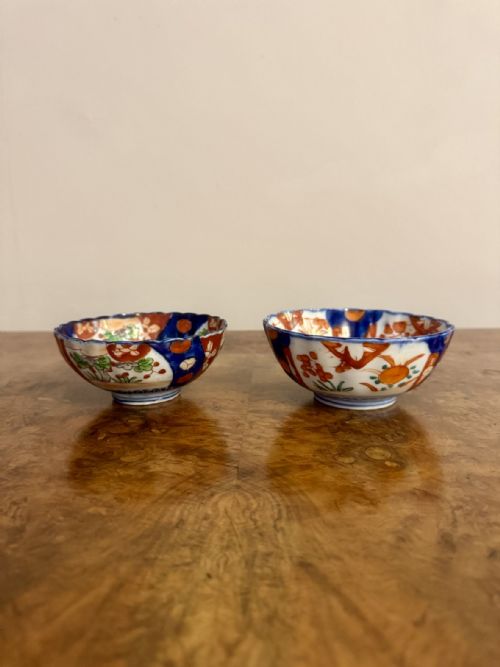
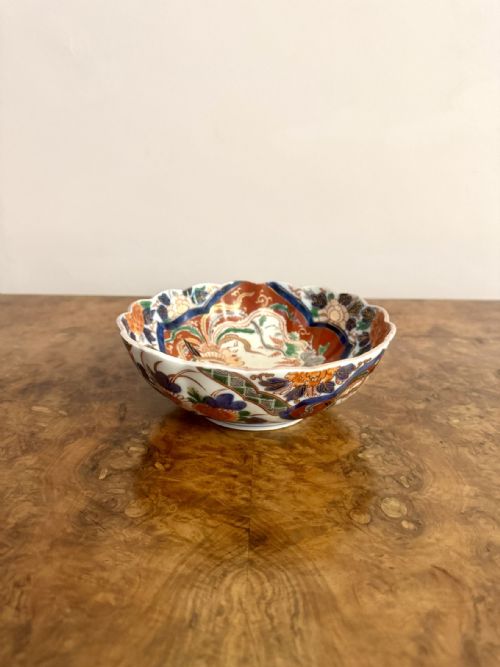
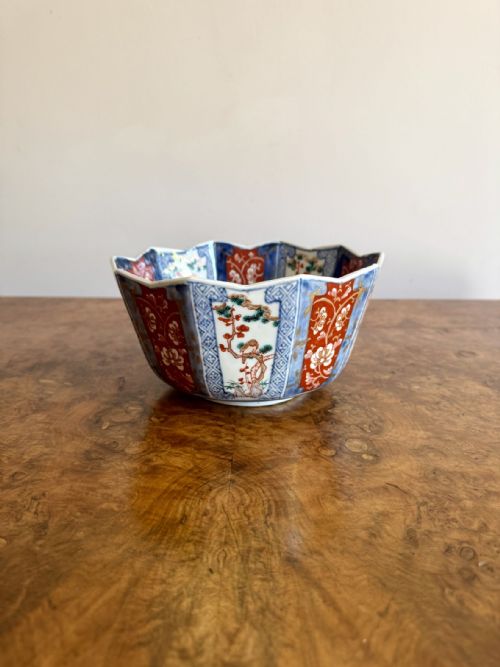


Blue Iron Red Bowl
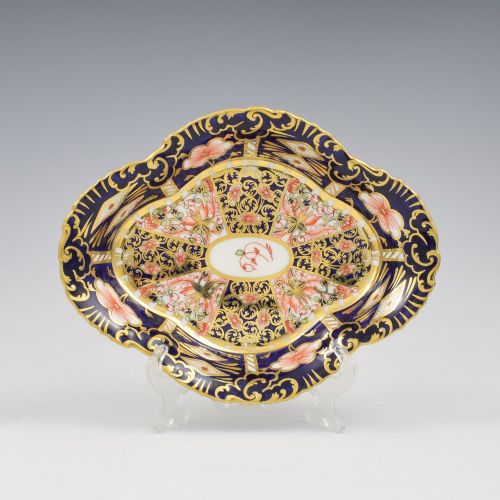
These pieces known as a blue iron red bowl bring together rich underglaze blue, iron red, and gilt decoration across porcelain forms.
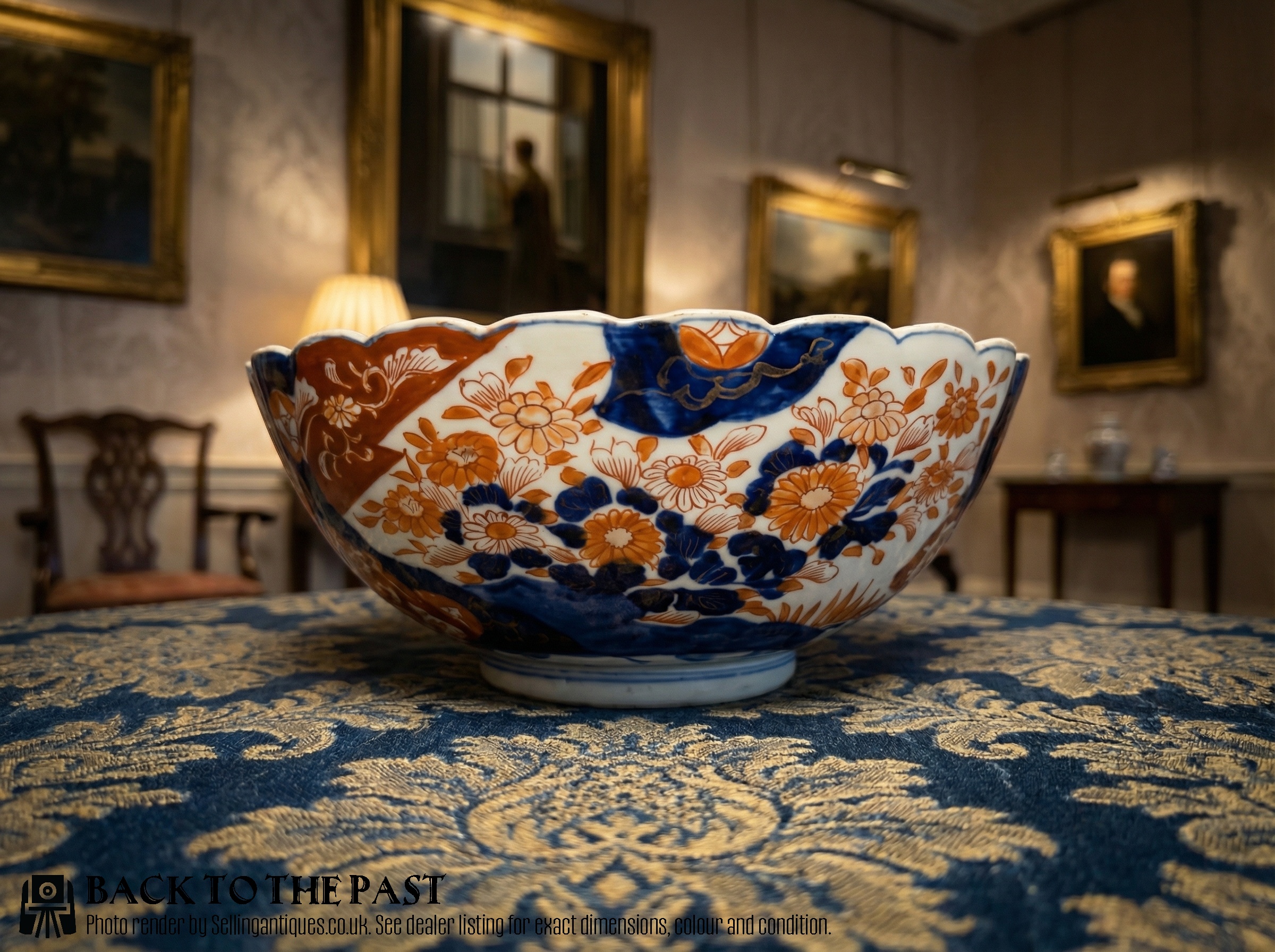
Blue Iron Red Bowl
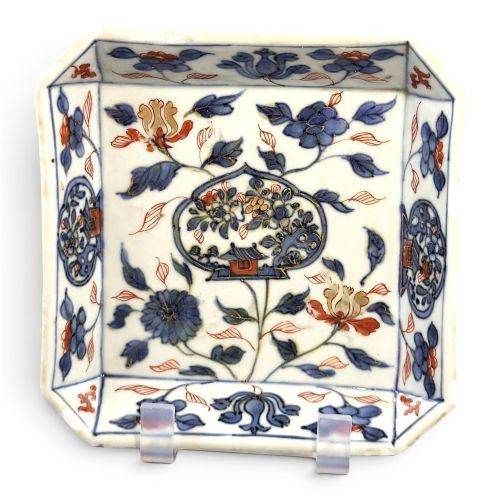
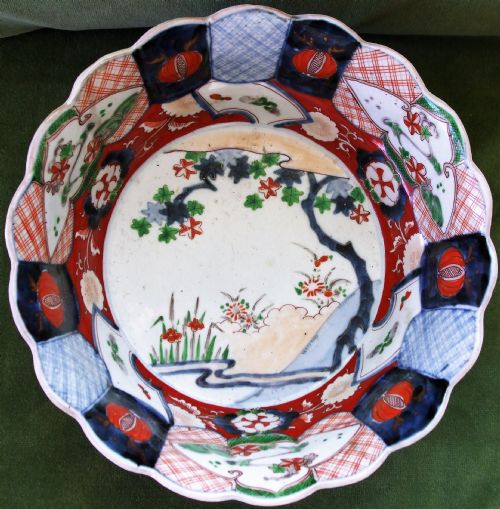
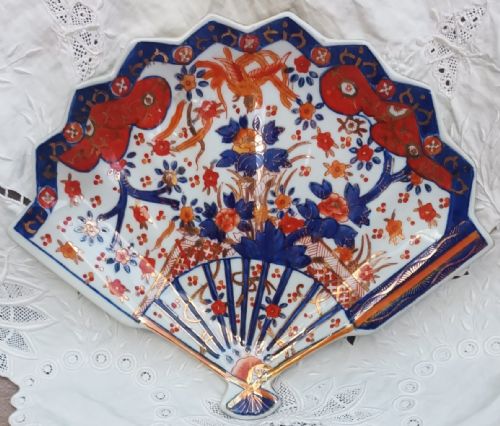
When you search for a blue iron red bowl, you encounter a distinct palette of cobalt blue glaze, iron red enamel, and gold leaf applied to porcelain. The most common examples on this page are Japanese Imari pieces from the Meiji period and around nineteen hundred, alongside earlier Chinese export wares from the Kangxi period and Georgian era.
The forms range from decorative bowls and scallop edged dishes to hexagonal shapes, boat shaped dishes, and larger jardinieres. Both Japanese and Chinese kilns produced these wares, employing distinct stylistic traits that collectors identify across centuries of production.
The earlier eighteenth century examples feature deep potting and hand painted floral motifs such as peonies and chrysanthemums. Later nineteenth and early twentieth century Japanese Imari vessels display dense patterning and shaped rims that suit domestic display.
How they were made
Potters shaped high fired porcelain bodies by hand or on the wheel, creating forms like chamfered squares, fluted bodies, and tripod vessels. Cobalt blue pigment was painted directly onto the unglazed clay before the application of a clear glaze and an initial firing.
After the first high temperature firing, artisans added iron red enamel and gold leaf or gilding details in a secondary, lower temperature enamel kiln. This layered technique produced the characteristic contrast between the deep underglaze blue and the vibrant iron red surface decorations.
Listings feature porcelain vessels spanning the eighteenth, nineteenth, and early twentieth centuries, incorporating Japanese Imari and Chinese export styles.
What varies in quality
Quality rests upon the crispness of the hand painting and the precision of the cobalt blue and iron red pigments. Superior pieces show controlled brushwork in floral and geometric motifs, whereas lesser examples display hurried application and blurred lines.
The integrity of the gilt and enamel surfaces over the porcelain body dictates the overall standard of the object. Wears to the gold leaf or chipping along scallop edges separate average domestic wares from finely preserved examples.
The Blue Iron Red Bowl Glossary
- Imari
- A style of Japanese porcelain decorated in underglaze blue, iron red, and gold, named after the port from which these wares were shipped. It became widely exported to Europe during the seventeenth and eighteenth centuries.
- Kangxi
- A Chinese imperial reign period noted for fine blue and white and polychrome porcelain production. Wares from this era often feature detailed peony and chrysanthemum motifs.
- Iron red
- An opaque red enamel derived from iron oxide applied over the glaze and fixed in a muffle kiln. It serves as a primary accent colour alongside cobalt blue.
- Arita
- The Japanese town in Hizen province where porcelain production originated. Kilns in this area produced the bulk of the Imari wares found in collections today.
- Chamfered
- Having a sharp edge or corner cut off to form a symmetrical bevel. This geometric shaping appears on specific square bowls and dishes.
Blue Iron Red Bowl: Frequently Asked Questions
What is an Imari bowl?
An Imari bowl is a piece of Japanese porcelain decorated in a distinctive palette combining underglaze cobalt blue, iron red enamel, and gold leaf.
These vessels were produced primarily for export to Western markets during the Edo and Meiji periods, utilising durable hard paste porcelain.
How do I date an antique bowl?
Dating relies on stylistic markers, potting characteristics, and the depth of the cobalt blue and iron red pigments.
Eighteenth century pieces typically exhibit heavier potting and hand painted botanical details, while later nineteenth century examples often feature brighter enamels and denser surface patterns.
Where were these bowls made?
These pieces originated in East Asian kilns, specifically in the town of Arita in Japan and various production centres in China.
Chinese export items from the Kangxi period share technical similarities with later Japanese wares made for international trade.
How should I display my bowl?
These decorative bowls and dishes suit placement on sturdy flat surfaces or within display cabinets where natural light illuminates the iron red and gilt details.
Tripod bowls and boat shaped dishes require stable placement to protect their distinct raised feet and fragile scallop edges.