




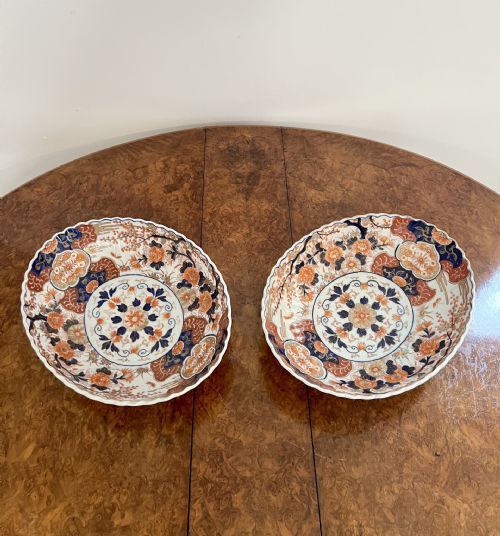


Japanese Floral Bowl
These pieces of Japanese floral bowl bring together centuries of ceramic tradition and intricate enamel work.
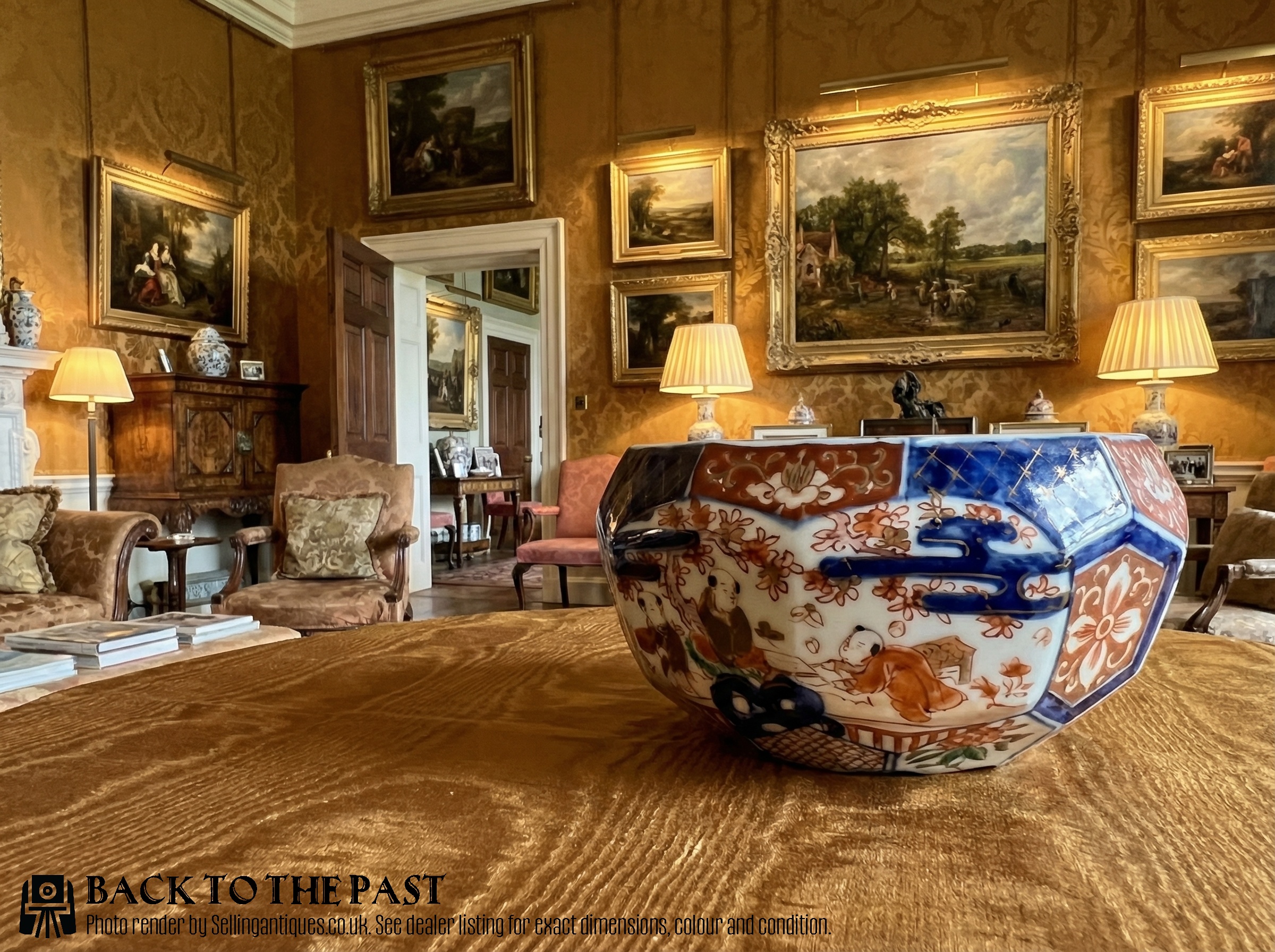
Japanese Floral Bowl
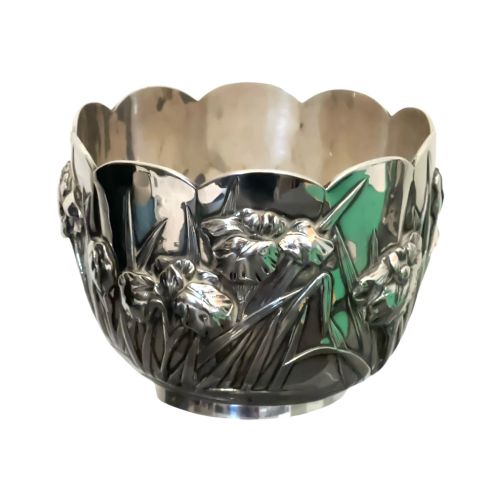
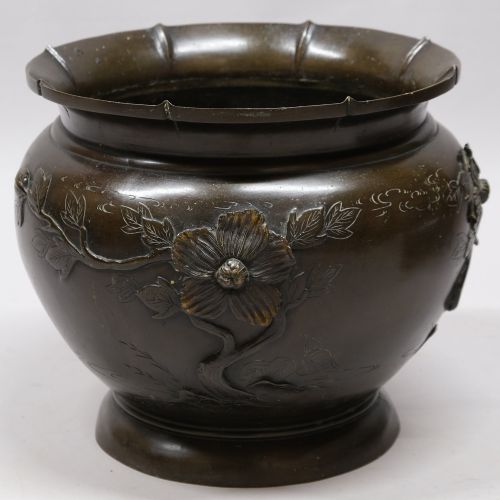
A japanese floral bowl encompasses diverse forms ranging from large Imari porcelain vessels and scalloped display dishes to delicate Satsuma ware and cloisonne enamel containers. These objects emerge primarily from the Edo and Meiji periods, reflecting distinct historical shifts in craftsmanship and design.
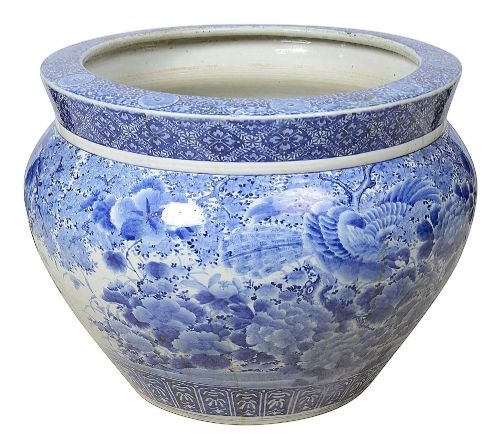
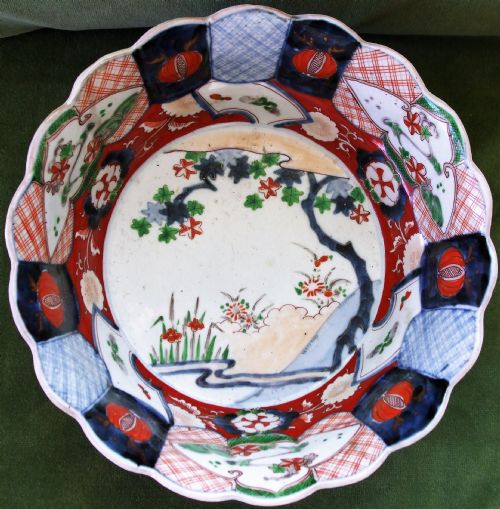
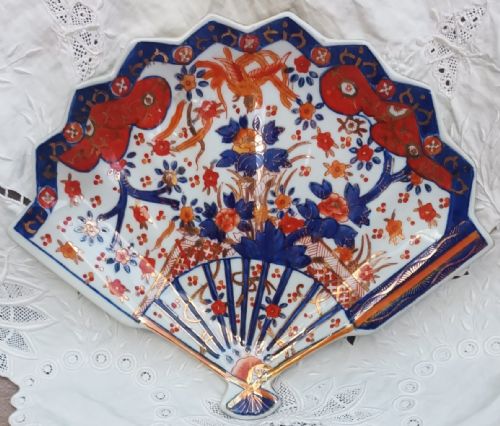
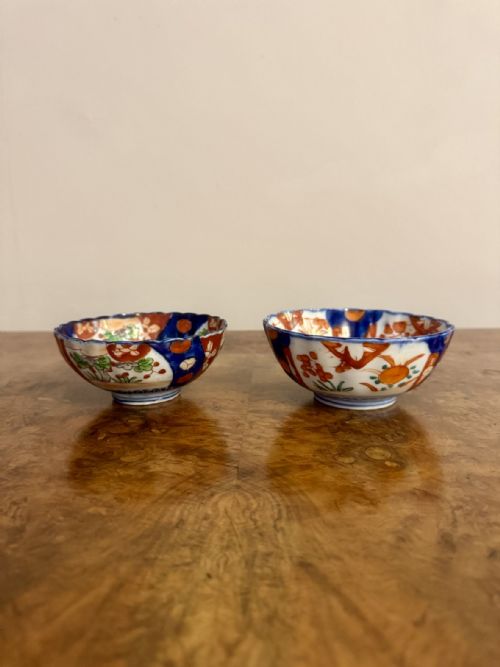
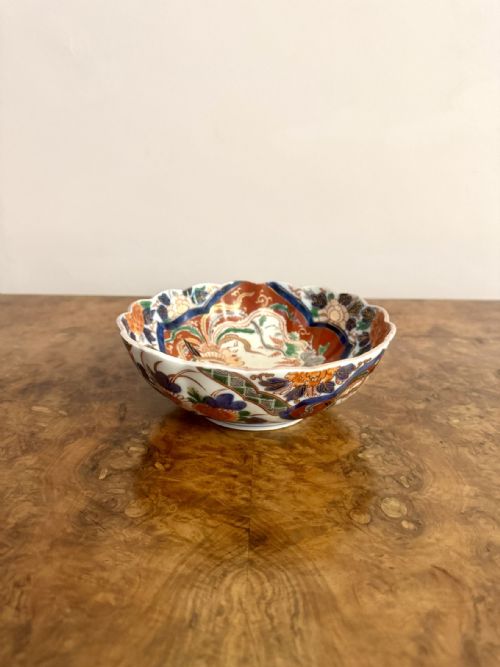
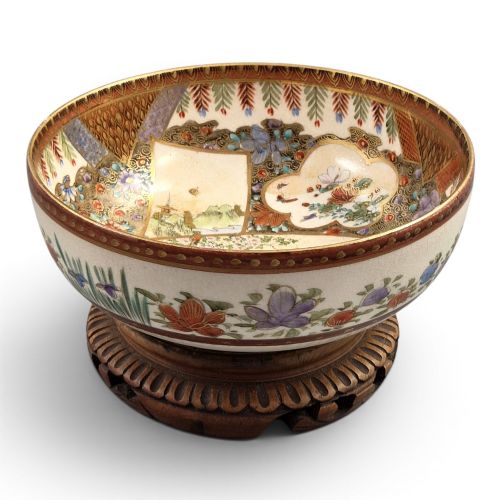
The version most commonly met on this page is the nineteenth century Imari porcelain bowl, often featuring a scallop shaped edge or traditional blue and white decoration. Alongside these, buyers frequently encounter Satsuma ware bowls painted with flowers and birds or detailed millefleur patterns.
Makers and regional potteries such as Arita established enduring traditions of porcelain production that persist through these decorative domestic items. The assortment includes both large centrepieces intended for prominent display and miniature bowls designed for subtle utility.
How They Were Made
Craftsmen utilised porcelain, earthenware, ceramic, bronze, copper and brass as the foundational materials for shaping these vessels. Techniques involved throwing clay on a wheel or forming bronze and copper bodies before applying detailed surface decoration.
Glaze, enamel and gold leaf were applied by hand to create intricate botanical and avian motifs across the surfaces. Cloisonne examples required thin metal wires soldered to a base to form cells which were subsequently filled with coloured enamel pastes and fired.
Materials represented across the inventory include ceramic, porcelain, earthenware, bronze, copper, brass, enamel, gold leaf and glaze.
What Varies in Quality
The standard of a japanese floral bowl depends on the precision of the hand painting and the clarity of the glaze and enamel work. Finer examples display deliberate brushwork in depicting flowers, birds and complex borders without smudging or misalignment.
Subtlety in the application of gold leaf and the crispness of moulded or scalloped edges distinguish exceptional pieces from standard production. Signed works by recognised makers often demonstrate superior attention to detail in both the structural form and the miniature painted elements.
Kozan·Ryuzan·Nikko
The Japanese Floral Bowl Glossary
- Imari
- A style of Japanese porcelain decorated in underglaze blue and overglaze red, gold and other colours. It originated in the town of Arita and became widely exported during the Edo period.
- Satsuma
- A type of Japanese earthenware featuring a pale, ivory cracked glaze and elaborate polychrome and gilt enamel decoration. These pieces frequently depict floral scenes, figures and birds.
- Cloisonne
- A decorative metalwork technique where enamel is applied to compartments created by soldering flat metal wires to a metal substrate. The piece is then fired and polished to a smooth finish.
- Millefleur
- A decorative pattern densely packed with a multitude of small flowers covering the entire surface of the ceramic. This French term translates to a thousand flowers and appears frequently on Meiji period Satsuma ware.
- Jardiniere
- A large ornamental pot or bowl designed to hold growing plants or flowers. In these listings they often appear in porcelain, bronze or ceramic forms from the nineteenth century.
Japanese Floral Bowl: Frequently Asked Questions
What is an imari bowl?
An imari bowl is a piece of Japanese porcelain traditionally decorated with a palette of underglaze blue, iron red and gold. These items were produced primarily in the Arita region and gained popularity in Europe and domestic markets alike.
They often feature scalloped edges, floral motifs and intricate geometric borders executed during the Edo and Meiji periods.
How do I date a meiji period bowl?
Dating relies on stylistic markers, signatures and the specific materials used during the reign of the Emperor Meiji. Pieces from this era often incorporate brighter enamel colours and more elaborate gilt decoration compared to earlier Edo examples.
Potters frequently signed their work during this time, allowing collectors to trace pieces to specific workshops or artists active between eighteen sixty-eight and nineteen twelve.
What is satsuma ware?
Satsuma ware is a distinctive type of Japanese pottery characterised by a fine earthenware body and an ivory coloured cracked glaze. It typically serves as a canvas for dense paintings of flowers, birds and figurative scenes enhanced with gold leaf.
This style flourished during the nineteenth century, particularly for export markets seeking highly decorative and colourful ornamental objects.