



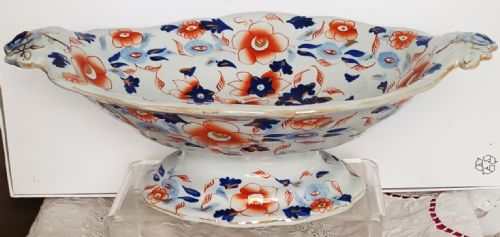
Imari Ceramic Bowl
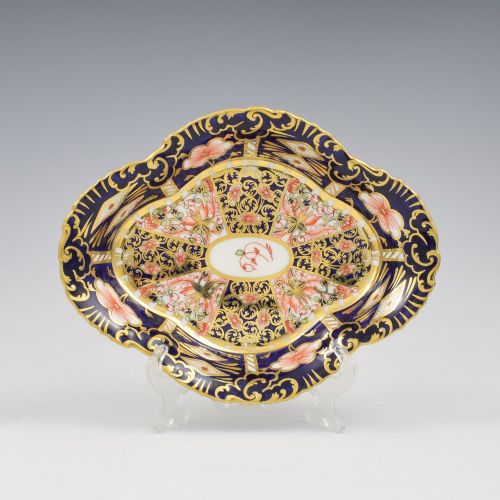
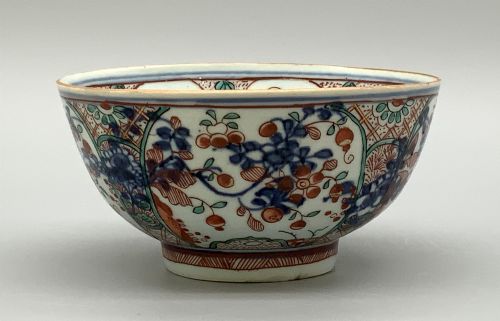
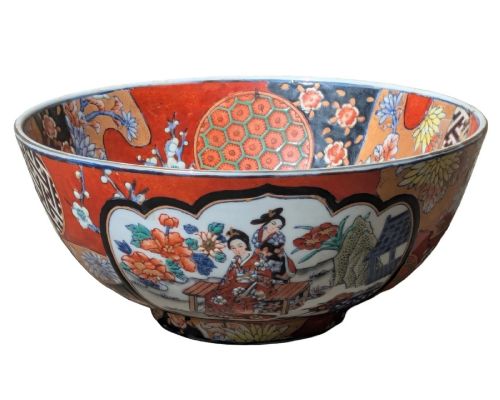
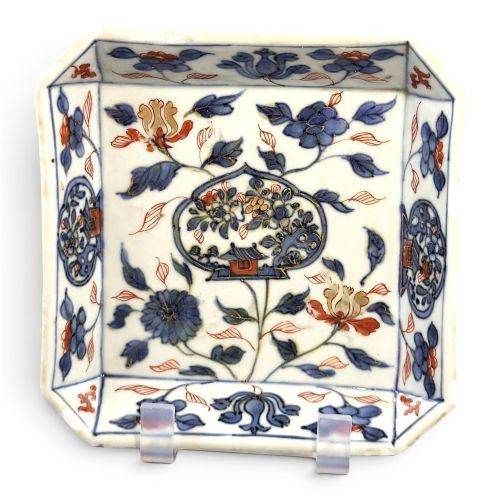
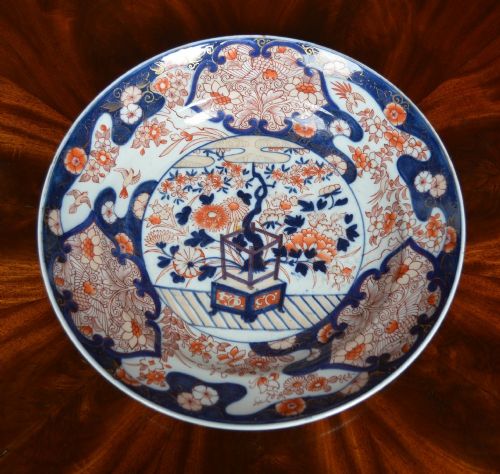
These imari ceramic bowl examples bring a striking palette of iron red, cobalt blue and gold leaf into any room.
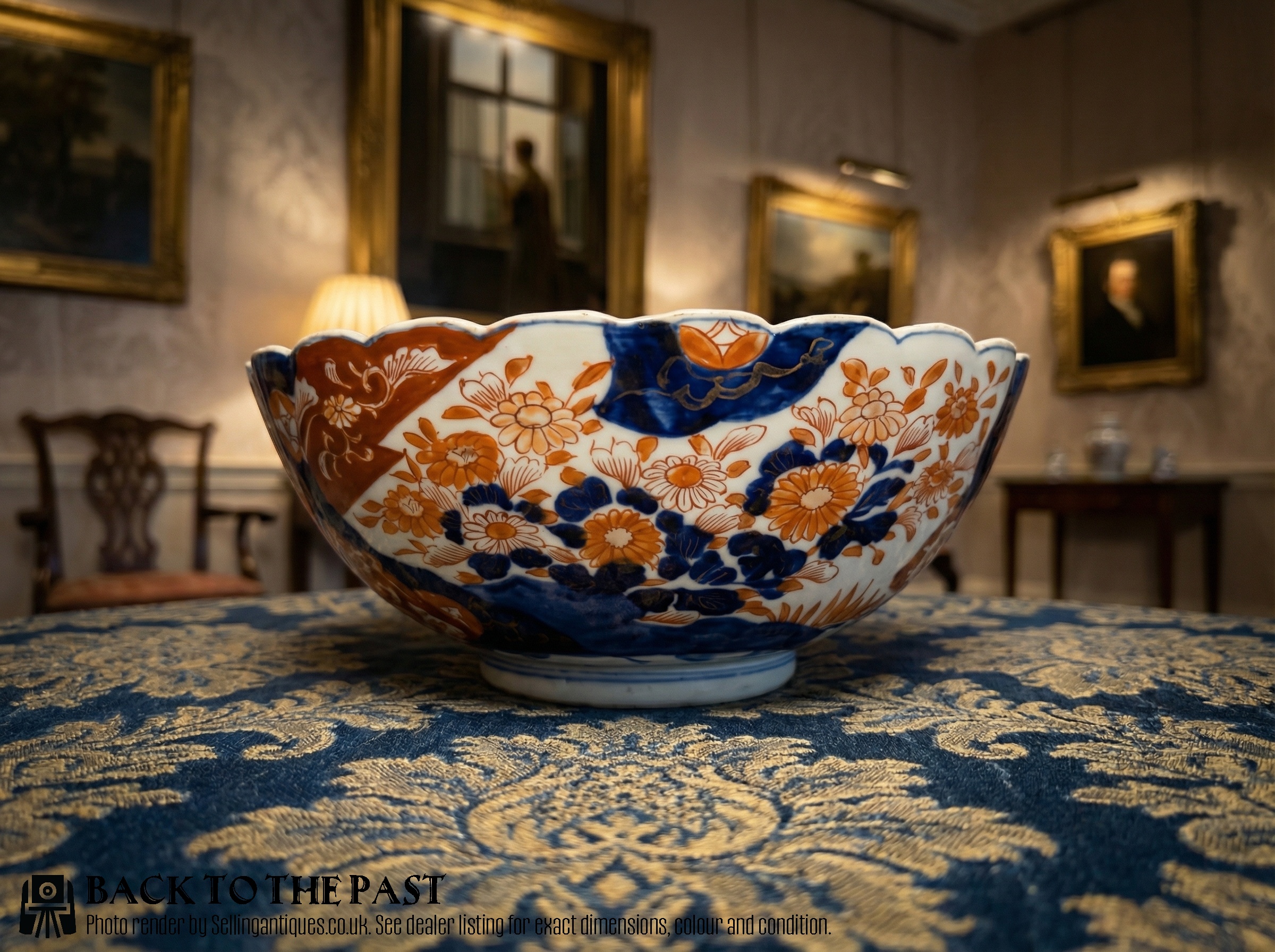
Imari Ceramic Bowl
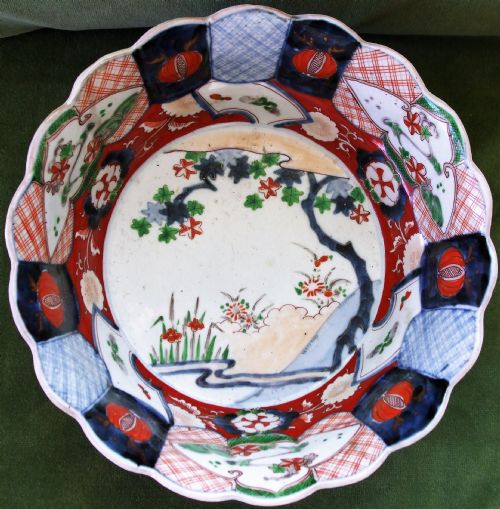
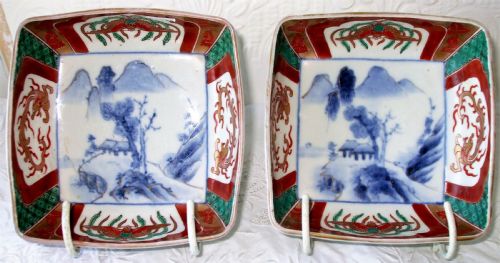
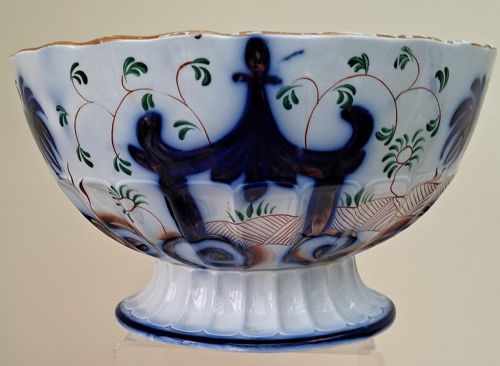
When searching for an imari ceramic bowl, buyers encounter pieces originating from Japan and China alongside English interpretations produced during the Georgian and Victorian eras. Japanese examples span from the Edo and Meiji periods, featuring distinctive decorative bowls, dishes and large jardiniere forms.
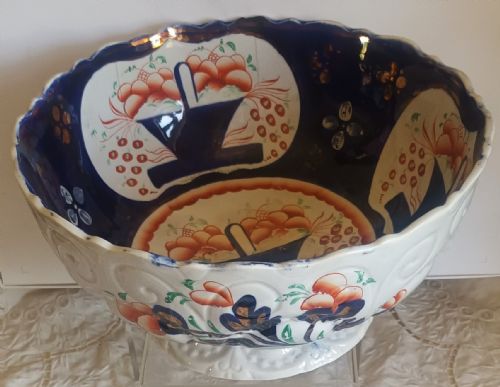
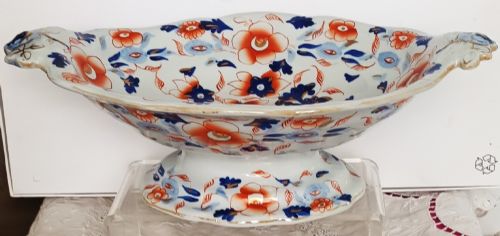
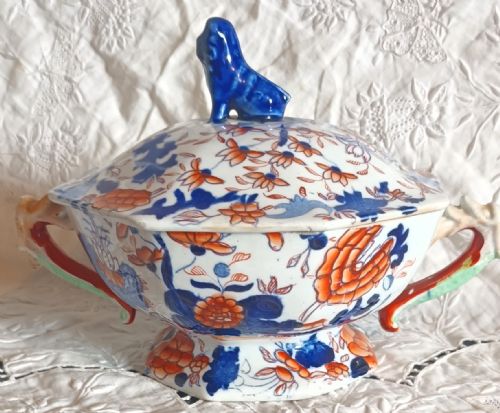
The selection includes pieces shaped with scallop edges, chamfered squares and pedestal bases. English iterations often adopt ironstone china to reproduce the characteristic Japanese aesthetic on footed comports and tureens.
How They Were Made
Potters shaped porcelain, earthenware and ironstone into varied forms before applying intricate enamel and glaze decoration. Artisans then incorporated gold leaf highlights to accentuate the traditional patterns.
Firing techniques allowed cobalt blue underglazes to combine with overglaze iron red and gilded details. This multi-stage process created the durable surfaces found across these ceramic and pottery pieces.
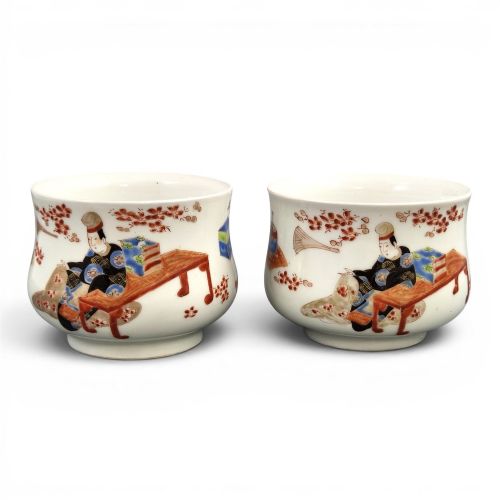
Samurai warriors occasionally make an appearance standing guard inside Japanese sugar bowls.
What Varies in Quality
The crispness of the enamel painting and the precision of the gilding dictate visual impact. Superior pieces display finely drawn motifs that retain their vibrancy across complex scalloped forms.
Subtleties in porcelain throwing and the weight of ironstone bodies distinguish standard domestic wares from exhibition pieces. The richness of the gold leaf application further separates standard examples from the finest productions.
Fukagawa Mark·Ginshōtei Gyokushi
The Imari Ceramic Bowl Glossary
- Imari
- A style of ceramic decoration originating in Japan, characterised by a palette of cobalt blue, iron red and gold. It was later emulated by European potteries.
- Arita
- The Japanese town and surrounding region where porcelain production began, giving rise to early wares exported through the port of Imari. Pieces from this area display refined ceramic potting.
- Ironstone
- A type of heavy earthenware patented in England that offered durability akin to porcelain. It frequently carried the brightly coloured patterns associated with imported wares.
- Meiji Period
- A historical era in Japan spanning from 1868 to 1912, known for prolific decorative arts production destined for export markets. Wares from this time often feature scalloped edges and detailed enamel work.
- Jardiniere
- A large ornamental pot or bowl designed to hold plants or flowers. These substantial ceramic vessels often serve as decorative centrepieces.
Imari Ceramic Bowl: Frequently Asked Questions
How do I date an imari ceramic bowl?
Dating relies on material characteristics, potting techniques and stylistic markers associated with specific periods such as the Meiji era or the eighteenth century. Japanese and Chinese pieces often exhibit reign marks or period traits, while English ironstone equivalents reflect Georgian or Victorian manufacturing standards.
Examining the foot ring, glaze consistency and enamel wear provides further clues to age. Comparing the brushwork against known examples helps narrow down the decade of production.
What is the difference between Japanese and English imari?
Japanese examples are typically formed from fine porcelain with underglaze cobalt blue and overglaze enamel decoration applied by hand. English equivalents frequently utilise ironstone or pottery bodies to achieve a heavier, sturdier vessel.
The English versions interpret the traditional colour palette and motifs through nineteenth century ceramic techniques. This results in sturdy comports and tureens suited to European dining customs.
How were these bowls used historically?
These vessels served functional roles in food service, tea consumption and interior decoration across different cultures. Sugar bowls, sencha tea cups and soup bowls handled daily culinary tasks.
Larger pieces functioned as display dishes, jardiniere planters or centrepieces in prominent rooms. Their decorative surfaces were intended to catch the eye during formal gatherings.