








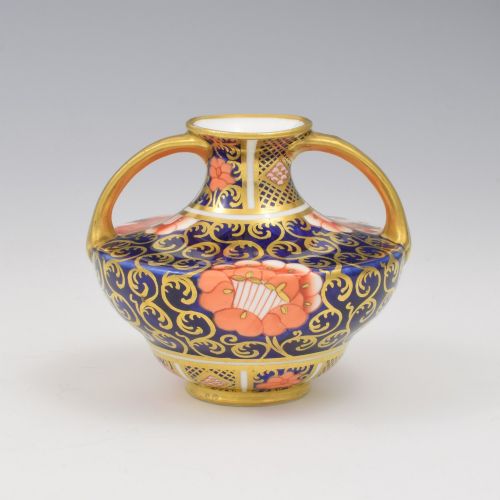
Imari Ceramic Urns
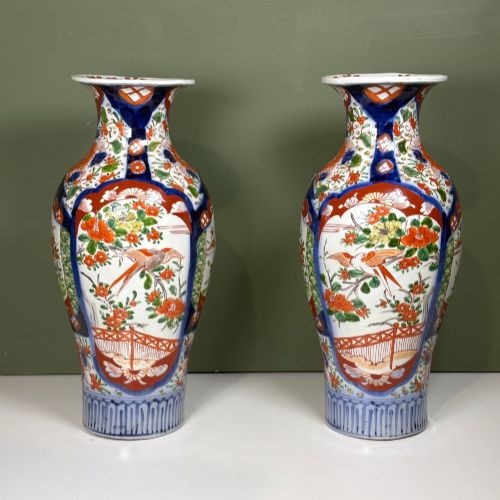
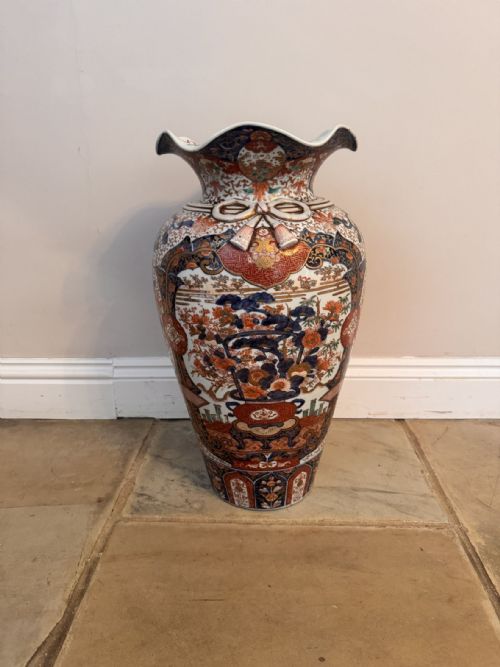
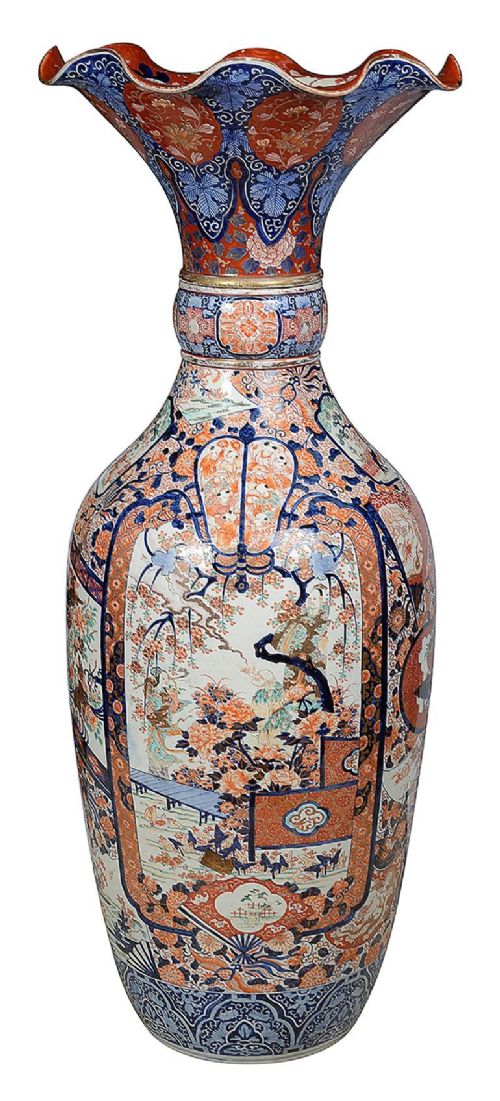
These imari ceramic urns bring rich palettes and commanding scale into a room, drawing the eye with traditional decoration.
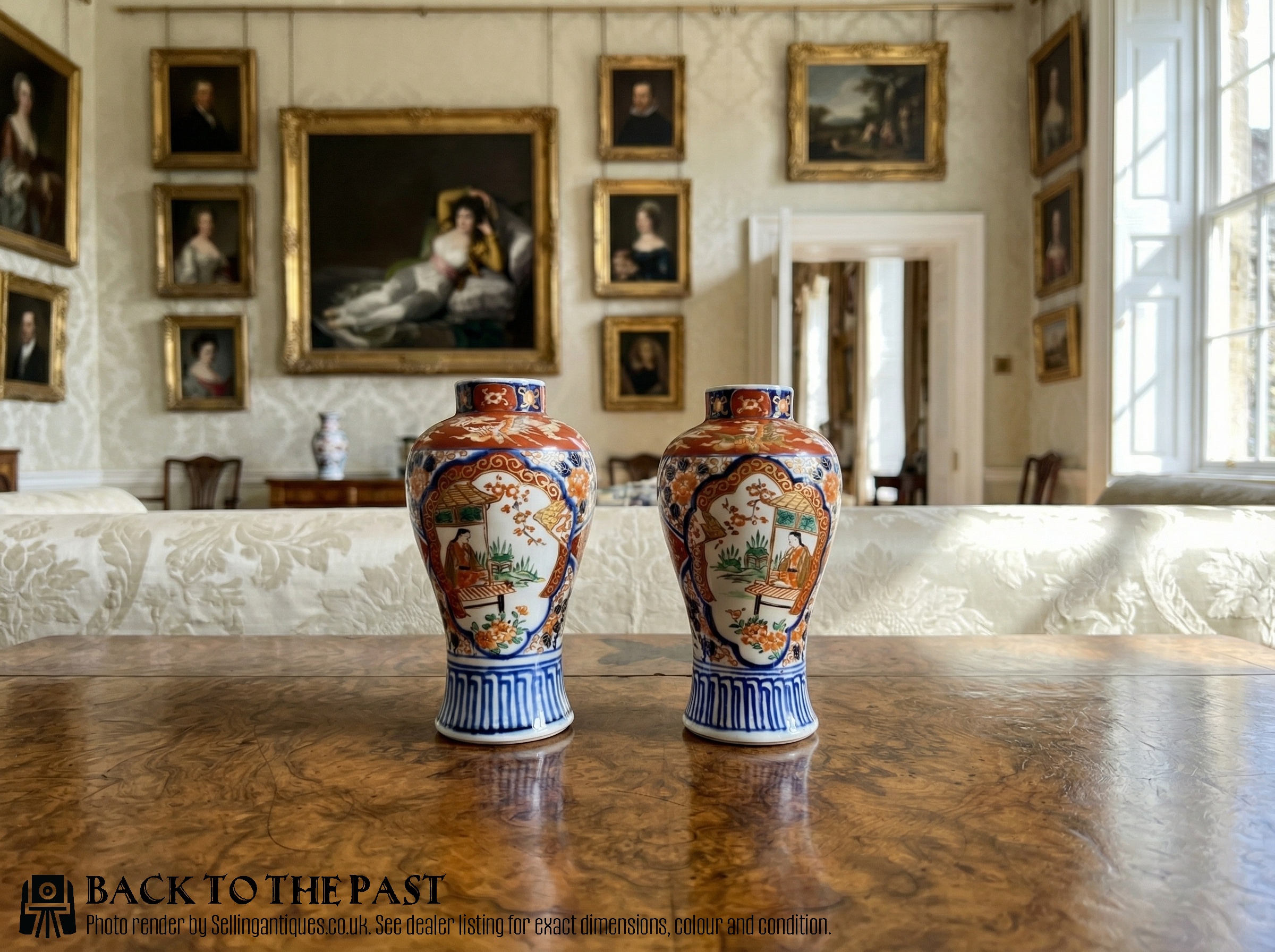
Imari Ceramic Urns
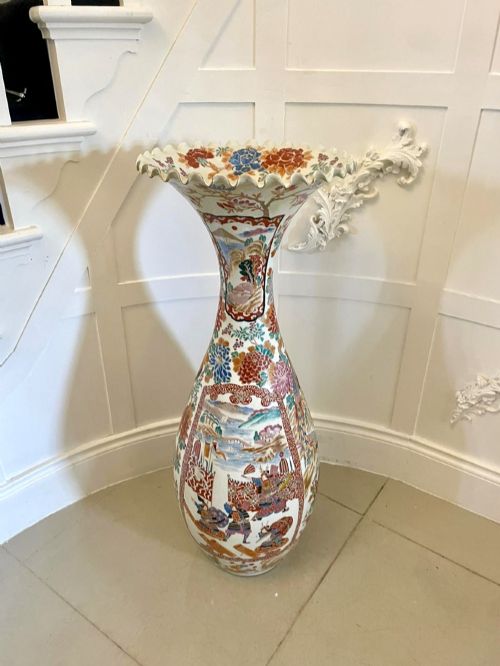
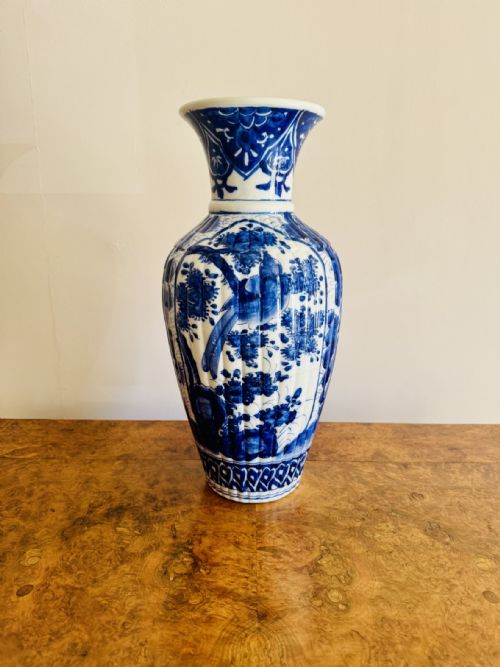
When you search for imari ceramic urns, you encounter a selection spanning seventeenth-century origins through to twentieth-century revivals. The listings include large floor-standing vessels, lidded jars, and matched pairs originating from Japanese production centres as well as English porcelain factories.
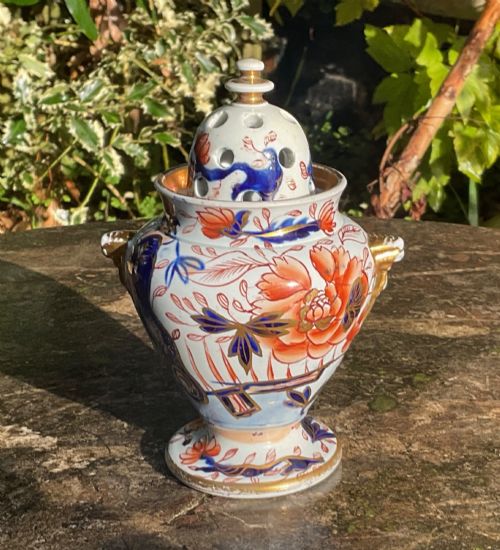
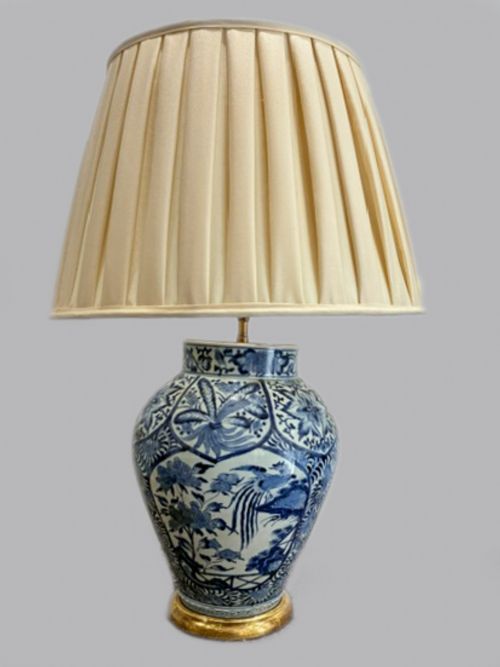
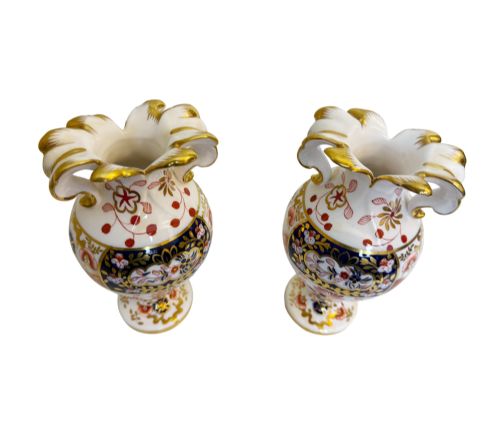
Japanese examples date predominantly from the Edo and Meiji periods, while English interpretations from firms like Spode and Royal Crown Derby adapt the aesthetic. Forms range from double-gourd vases and ginger jars to covered urns and converted lamp bases.
How they were made
These pieces utilise hard-paste porcelain or ironstone bodies shaped into baluster, lidded, and shaped vessel forms. Potters applied underglaze cobalt blue alongside iron red enamel to achieve the characteristic palette.
Artisans enriched the decorated surfaces with gold leaf and detailed gilding, fixing the pigments through high-temperature kiln firings.
Imari Ceramic Urns Retail Price Guide 2026
Typical asking prices for imari ceramic urns among the pieces listed under this phrase on Sellingantiques today, from the lower quarter to the upper quarter. They describe what is for sale here now, not the wider market.
Listings feature porcelain and ironstone materials spanning the seventeenth century to the Edwardian era.
What varies in quality
The sophistication of the hand-painted enamel work dictates the distinction between standard production and exceptional pieces. Precision in the brushwork and the richness of the applied gilding separate finer examples from simpler factory output.
Scale and completeness also influence the standing of a vessel, particularly when matching covers remain with jars or when garnitures survive as full sets.
Spode·Royal Crown Derby·Chamberlain Worcester·Masons Ironstone·Arita
The Imari Ceramic Urns Glossary
- Imari palette
- A decorative scheme employing underglaze blue, iron red, and gilt highlights on a white ceramic ground. This distinct colour combination originated in Japan and was later copied by European potteries.
- Garniture
- A set of three or more matching vases or urns designed to be displayed together on a mantelpiece or cabinet top. These matched groups often comprise a central lidded jar flanked by smaller matching vessels.
- Baluster
- A vase form characterised by a rounded body that tapers toward a narrow neck and a flared foot. This classic silhouette provides stability for large ceramic urns.
- Ironstone
- A heavy, durable type of semi-vitreous earthenware developed in England during the nineteenth century. Manufacturers used this robust material to produce durable vessels finished with Imari decoration.
- Koro
- A traditional Japanese incense burner fitted with a pierced cover. These lidded vessels appear in various sizes within the ceramic selections.
Imari Ceramic Urns: Frequently Asked Questions
What is an imari ceramic urn?
These vessels are decorative ceramic containers featuring the distinctive Imari palette of iron red, cobalt blue, and gold. They encompass lidded jars, baluster vases, and floor-standing pieces.
Originating in Japan and later interpreted by English factories, these urns served primarily as decorative garnitures or centrepieces in period interiors.
How do you date an imari ceramic urn?
Dating relies on stylistic markers, potting techniques, and factory marks where present. Japanese pieces align with Edo or Meiji production methods, while English versions follow Regency and Edwardian styles.
Examining the glaze consistency and the application of the enamel helps distinguish seventeenth-century originals from later nineteenth-century revivals.
Were these urns made in England?
While the style originates from Japanese export ware, several prominent English factories produced their own versions. Makers such as Spode and Royal Crown Derby created high-quality porcelain pieces using the same decorative palette.
These English interpretations adapt traditional Japanese motifs to European shapes like twin-handled vases and pot pourri containers.
How should I display a garniture?
A garniture consists of matching vessels, usually a set of three or five, designed to create a balanced arrangement. They look best placed along a wide mantelpiece, a sideboard, or atop a large cabinet.
Arranging the tallest piece in the centre with the matching vessels flanking it maintains the traditional visual symmetry.