


Edo Imari Porcelain Vase
When you search for an edo imari porcelain vase, you enter a world of richly decorated ceramics shaped in Japan and Europe across multiple centuries.
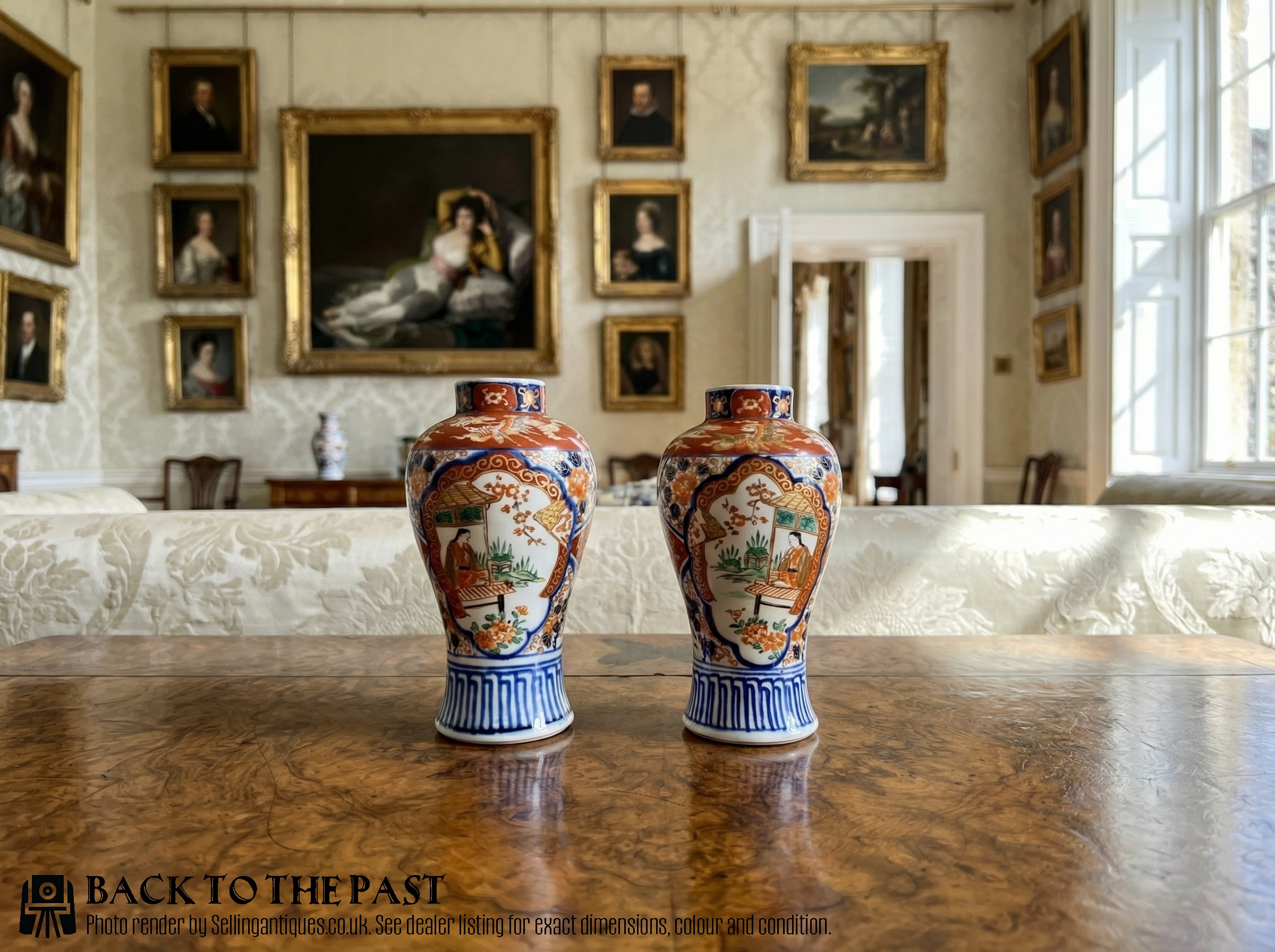
Edo Imari Porcelain Vase
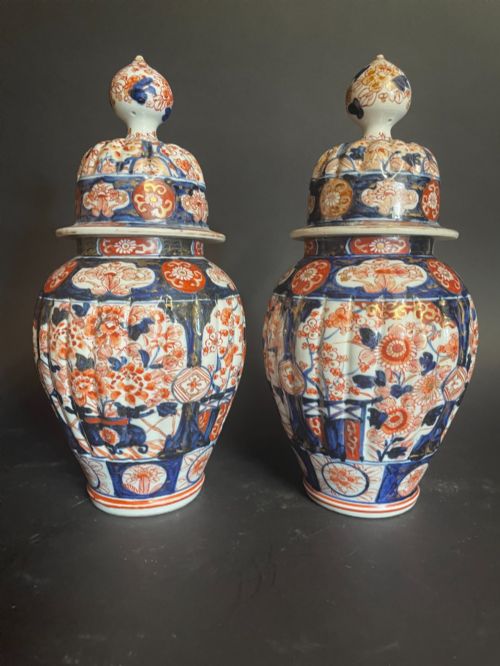
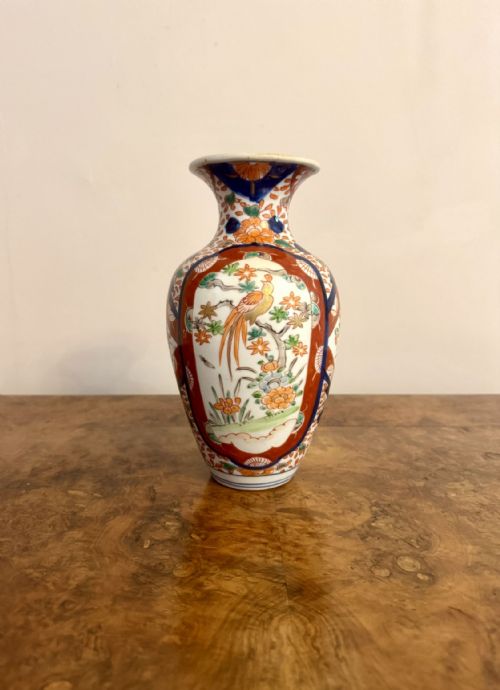
An edo imari porcelain vase brings together centuries of ceramic tradition, spanning from the seventeenth century through to later nineteenth and early twentieth century interpretations. Buyers seeking an edo imari porcelain vase encounter diverse forms including baluster vessels, lidded jars, hexagonal shapes, and wine bottles.
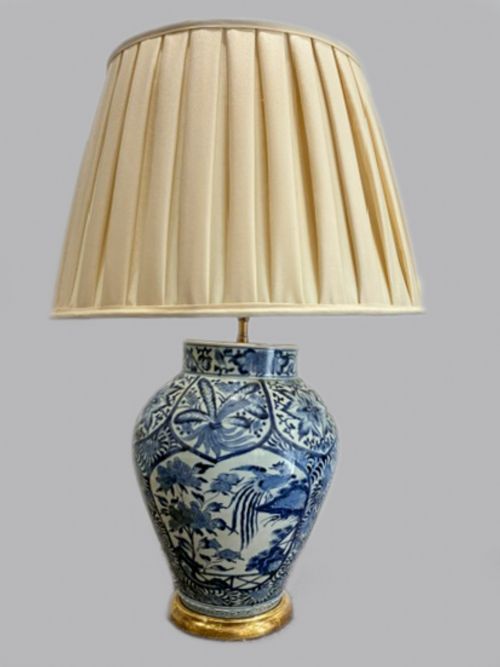
Vessels frequently double as converted table lamps, adapting historical porcelain bodies for domestic lighting while retaining their original hand-painted surfaces.
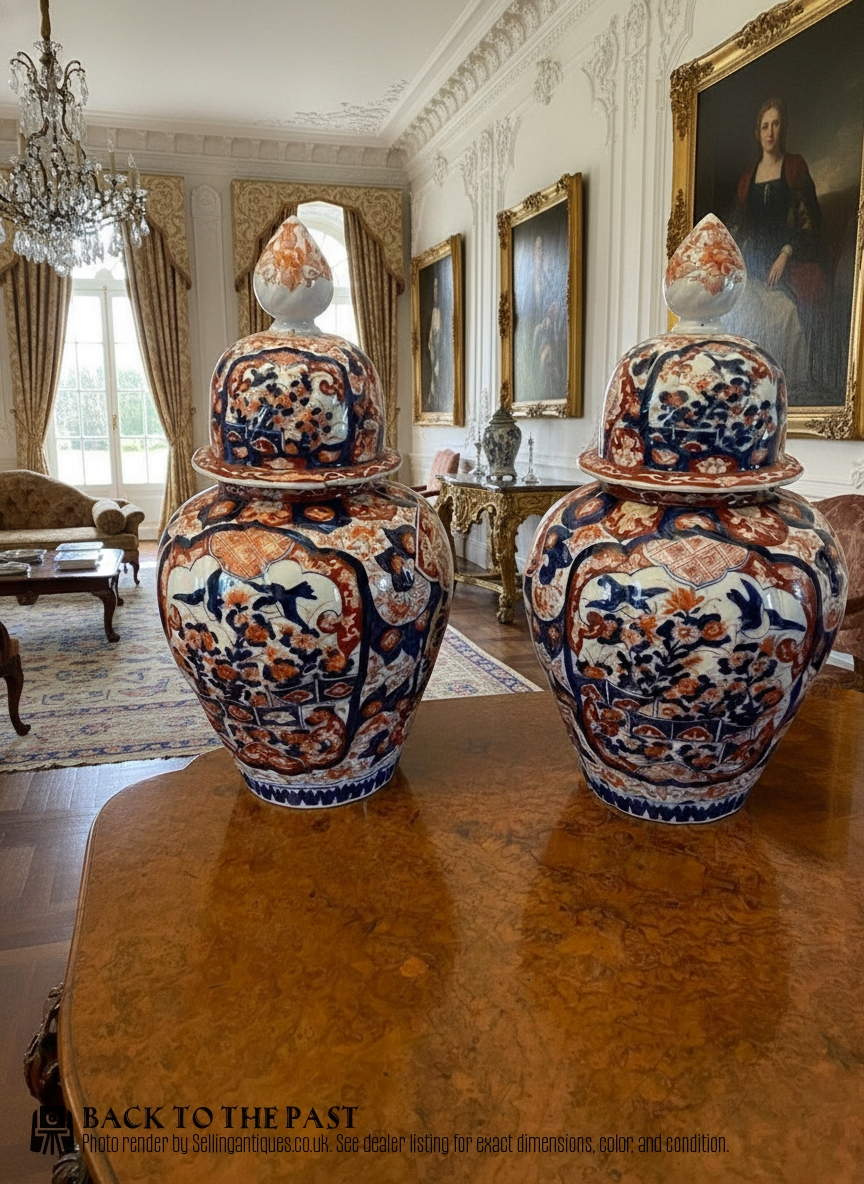
How they were made
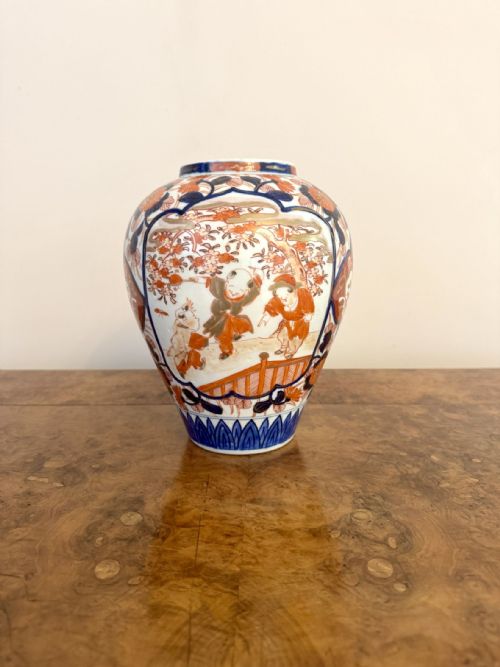
Potters shaped high-fired porcelain bodies, often associated with the Arita kilns, before applying underglaze blue and contrasting overglaze enamel colours such as iron red and gold leaf. Gilding and brass mounts occasionally accent the glazed surfaces.
Some European makers produced their own porcelain versions in the nineteenth and early twentieth centuries, imitating Japanese forms and palettes.
Current listings feature porcelain vases spanning from the seventeenth century through to the Edwardian era, including works from Japanese and European makers.
What varies in quality
Execution of the painted palette and precision of the moulded or turned porcelain body set individual examples apart. Crispness in the overglaze enamels and gold leaf application distinguishes finer vessels from standard production.
Completeness of matching sets, such as pairs or garniture trios, alters the character and balance of the display.
The Edo Imari Porcelain Vase Glossary
- Imari palette
- A traditional colour scheme utilising underglaze blue, iron red, and gilt highlights on a white porcelain ground. This distinctive combination originated in Japanese kilns and was later copied in Europe.
- Baluster
- A vase form characterised by a rounded body that tapers toward the base and swells near the lower centre. This profile provides a stable and visually balanced canvas for painted decoration.
- Garniture
- A matched set of three or more vases or jars designed to be displayed together on a mantelpiece or sideboard. These sets create a symmetrical arrangement popular in historic interiors.
- Arita
- The Japanese town and surrounding region central to the production of early porcelain exports. Kilns here produced the vast majority of original wares exported to Europe.
- Japonisme
- A late nineteenth century European artistic movement reflecting widespread fascination with Japanese art and design. This influence appears in both imported goods and European decorative arts.
Edo Imari Porcelain Vase: Frequently Asked Questions
What is an Edo Imari vase?
An Edo Imari vase is a porcelain vessel originating from Japan during the Edo period or decorated in that distinctive aesthetic tradition. These pieces are characterised by hand-painted iron red, underglaze blue, and gilt details.
They encompass various shapes including baluster forms, lidded jars, and wine bottles. Some examples were later converted into table lamps.
How do I date an Imari vase?
Dating relies on examining the porcelain body, glaze characteristics, and painting style. Seventeenth and eighteenth-century pieces often show specific potting traits associated with Arita kilns.
Nineteenth-century and later interpretations display variations in enamel brilliance and potting weight. Comparing known period examples helps clarify the date of manufacture.
Were these vases used for display?
Historically, these porcelain vessels served primarily as decorative ornaments in grand interiors. Their bold palettes made them focal points on mantelpieces and tables.
Many were produced as matching pairs or multi-piece garnitures to create symmetrical displays. Today, collectors continue to use them for interior decoration.
Why do some vases have lamps?
Numerous antique vases were converted into table lamps during the nineteenth or twentieth centuries to suit changing domestic interiors. This conversion involved mounting electrical fittings to the top or drilling the porcelain base.
While alteration changes the original state, many collectors appreciate the dual utility and decorative presence these lamps provide.