

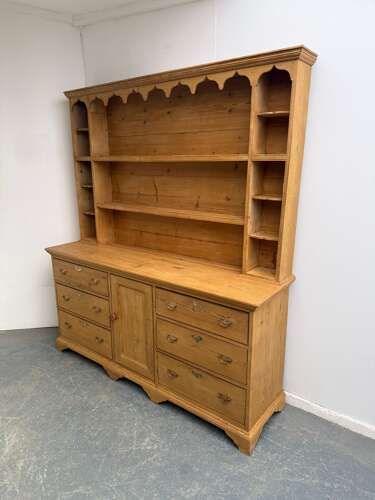


Honey Pine Kitchen Hutch
A honey pine kitchen hutch brings warm timber grain and practical display space into a room, offering the storage that collectors and country house enthusiasts seek.
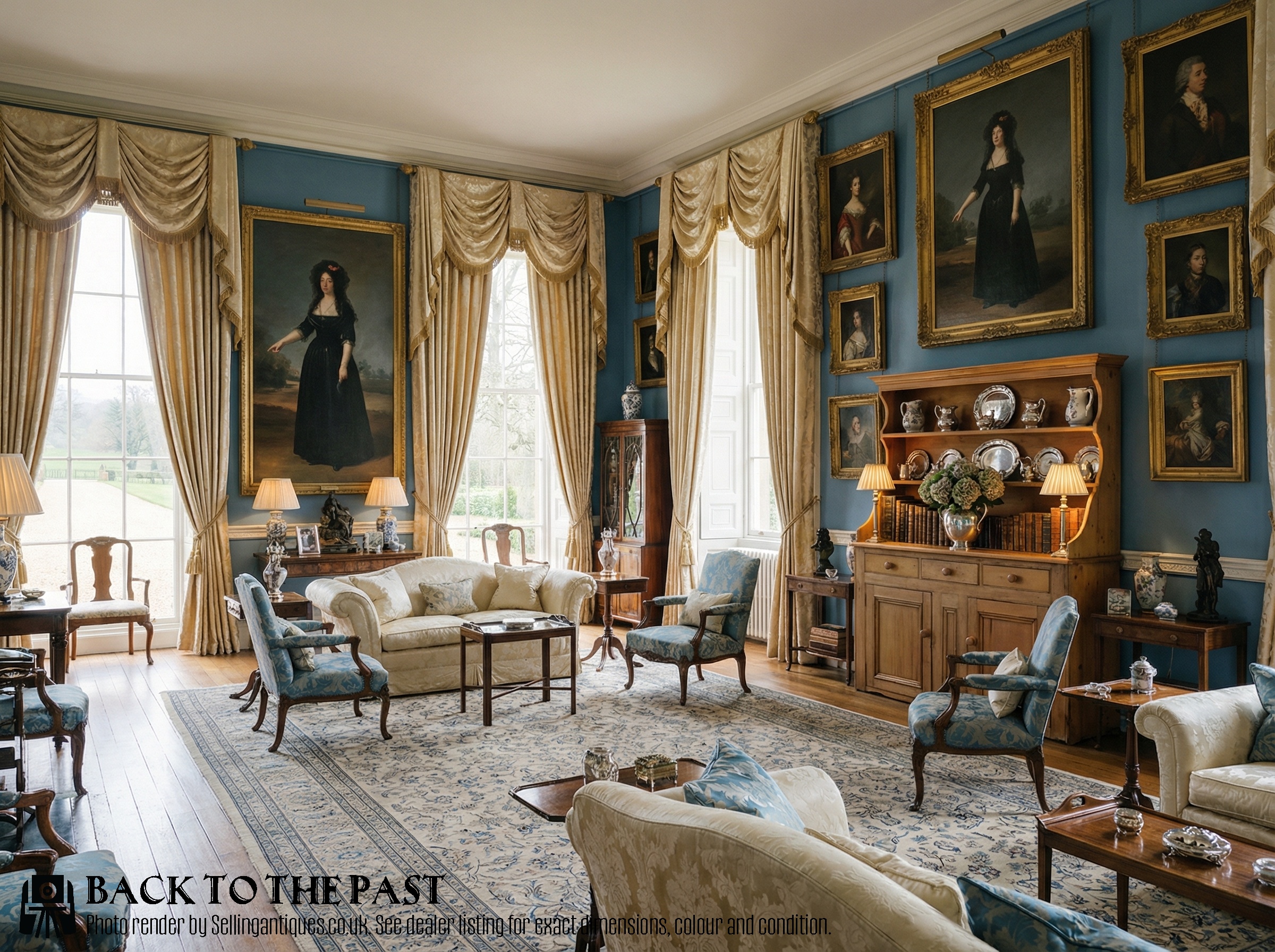
Honey Pine Kitchen Hutch
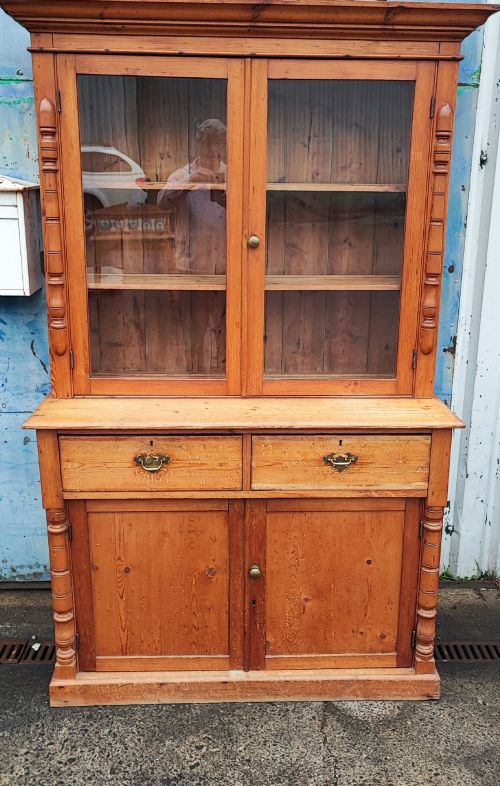
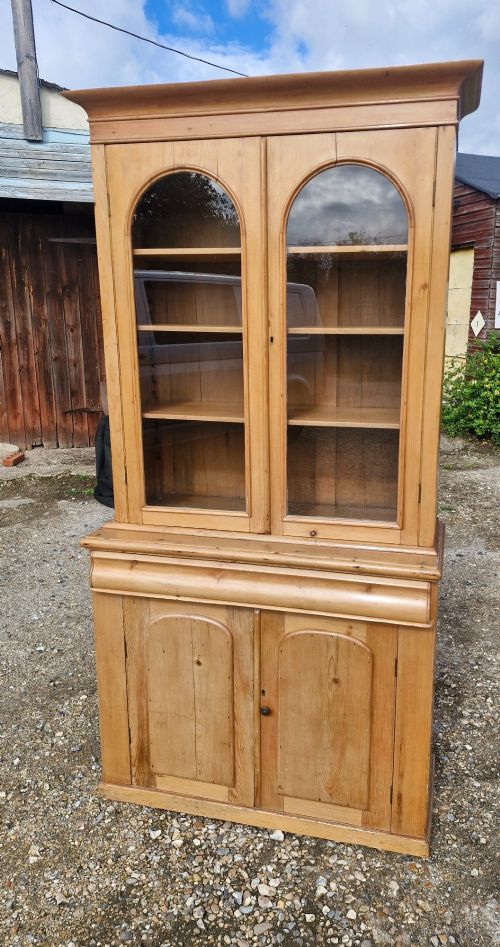
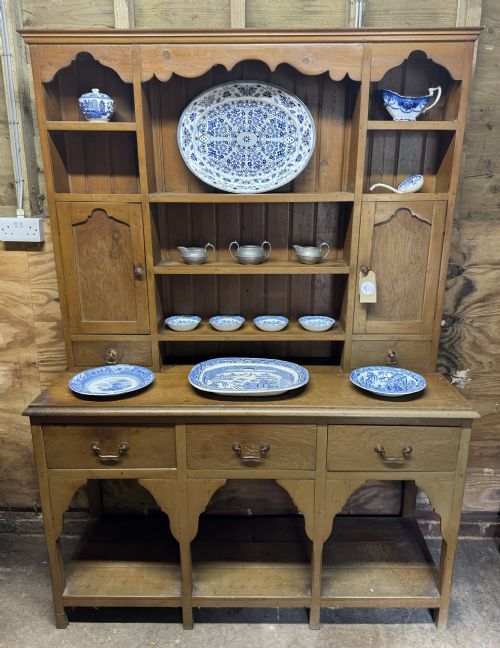
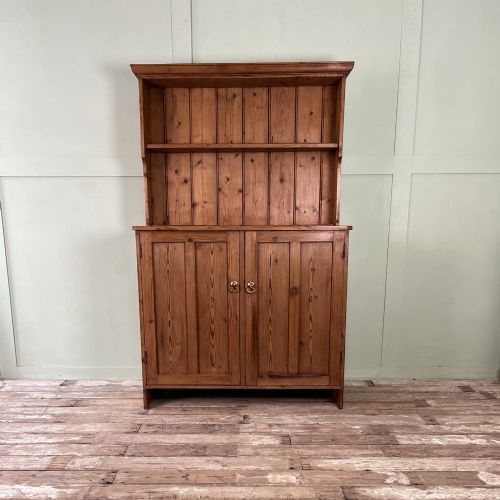
The honey pine kitchen hutch category covers versatile storage furniture built from resilient softwood, ranging from compact cupboards to tall multi-tier display dressers. These items function primarily as utilitarian storage and plate display units originating from farmhouse and vernacular domestic traditions.
Buyers browsing this selection most frequently encounter 19th century and Victorian pieces alongside earlier Georgian examples and regional variants. The forms vary from tall open-rack dressers to enclosed bookcase cabinets constructed in various provincial styles.
Regional diversity shapes the selection, including Welsh vernacular pieces, English country furniture, and Scandinavian country designs. These iterations share a reliance on pine timbers finished with natural wax or retaining aged patinas.
How honey pine kitchen hutches were made
Craftsmen built these pieces using solid pine, Scots pine, and imported softwood planks joined with traditional woodworking methods suited to provincial workshops. The primary structural timber often received protective coatings of wax to accentuate the natural grain.
Hardware details typically incorporate brass or iron hinges, pulls, and latches that secure doors and drawers. Glass panels appear on upper bookcase doors to protect displayed ceramics and glassware from dust.
Honey Pine Kitchen Hutch Retail Price Guide 2026
Typical asking prices for honey pine kitchen hutch among the pieces listed under this phrase on Sellingantiques today, from the lower quarter to the upper quarter. They describe what is for sale here now, not the wider market.
What varies in quality
The distinction between standard utility furniture and superior examples lies in the integrity of the original timber and the retention of authentic surface patinas. Pieces displaying untouched wax finishes and minimal structural alterations command greater interest from traditionalists.
Proportion and scale dictate the visual appeal, ranging from diminutive vernacular cabinets to massive multi-door storage units. Superior construction relies on well-joined carcass work that withstands generations of domestic use.
The Honey Pine Kitchen Hutch Glossary
- Pine
- A softwood timber widely utilised in provincial furniture making for its accessibility and workability. It takes wax finishes particularly well.
- Patina
- The surface sheen and colour acquired by wood through age, handling, and repeated waxing over decades. This layer indicates an authentic untampered history.
- Dresser rack
- The upper shelving superstructure attached to the base cabinet used for displaying plates and kitchenware. It forms an integral visual component of many hutches.
- Vernacular
- Furniture designed and built by local tradesmen for everyday domestic utility rather than following strict high-style academic architectural rules. These regional pieces reflect local building traditions.
Honey Pine Kitchen Hutch: Frequently Asked Questions
How do I date a pine hutch?
Dating relies on examining construction methods, timber preparation marks, and hardware types used in the carcass and drawers. Hand-sawn boards and forged iron fittings typically point to earlier periods.
Stylistic cues such as Georgian bracket feet or Victorian proportions further assist in establishing the approximate era of manufacture.
How should I care for waxed pine?
Maintaining waxed pine involves periodic application of quality beeswax to nourish the timber and protect the surface from moisture. Avoid placing these items near direct heat sources.
Routine dusting with a soft dry cloth preserves the aged finish without stripping away the historical patina accumulated over centuries.
Where were these hutches made?
These pieces originated in regional workshops across Britain and continental Europe, with distinct styles emerging from Wales, England, Scotland, and Scandinavia. Local craftsmen adapted designs to suit domestic needs.
Regional variations appear in the cornice details, board widths, and configuration of the lower storage cupboards.