

Antique Country Pine Sideboard
An antique country pine sideboard provides durable storage with vernacular character, bringing practical utility and unpretentious charm to domestic interiors.
Antique Country Pine Sideboard
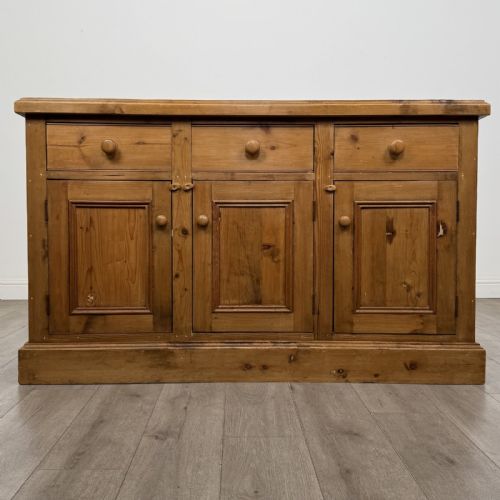
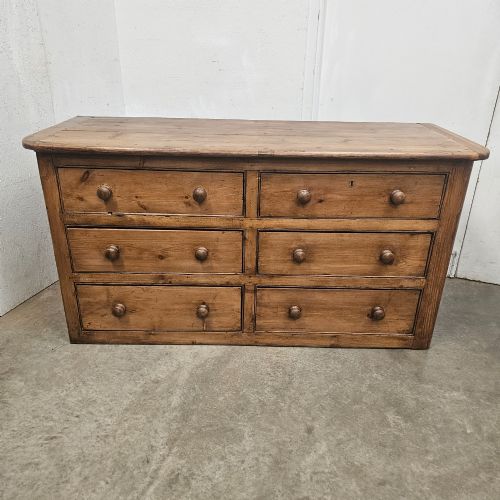
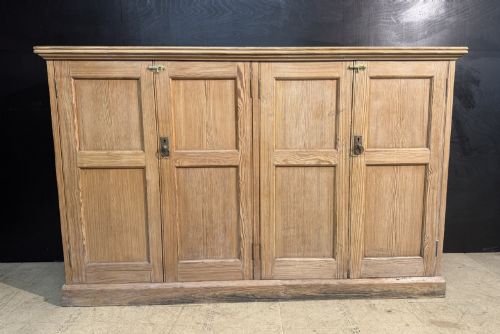
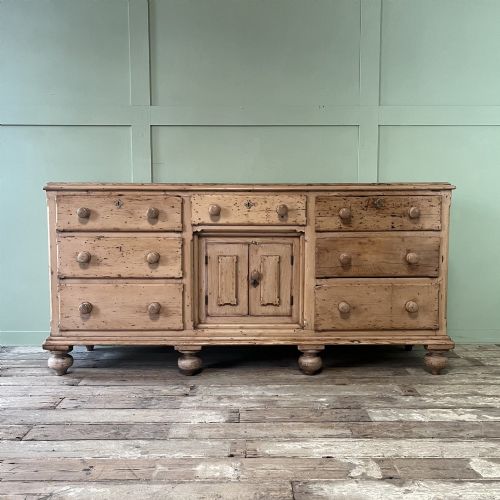
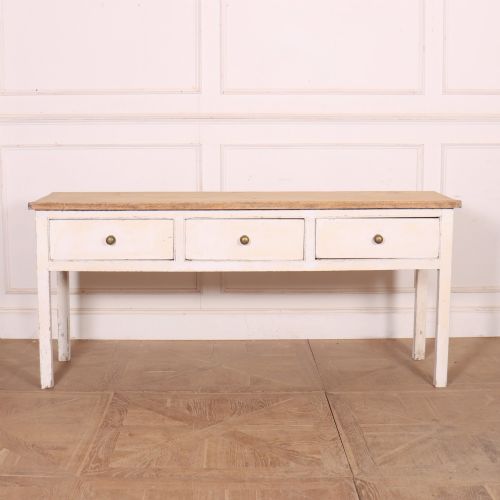
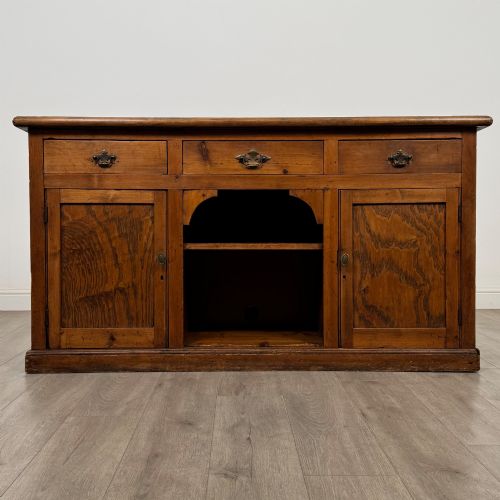
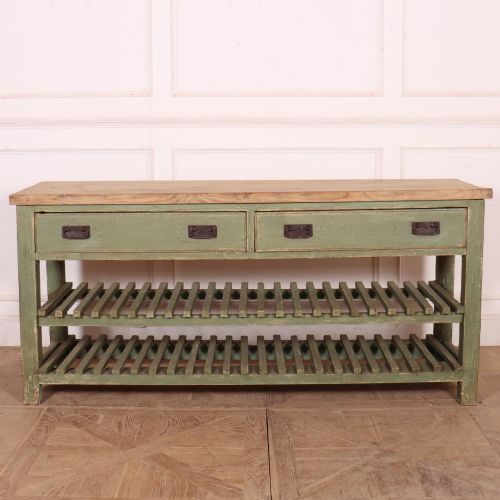
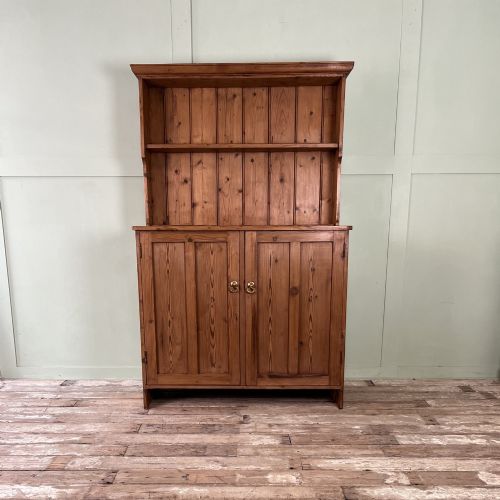
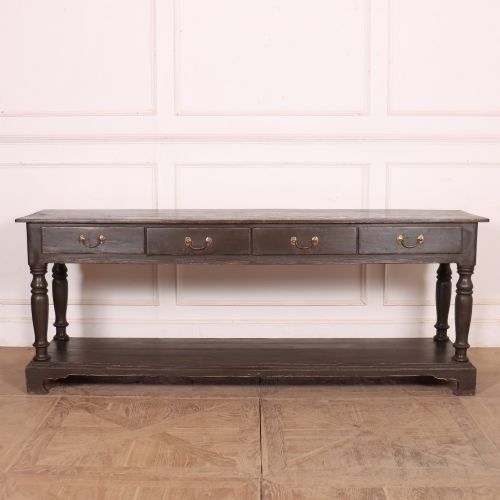
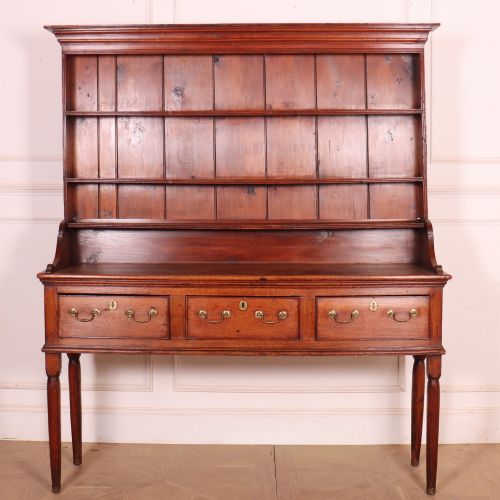
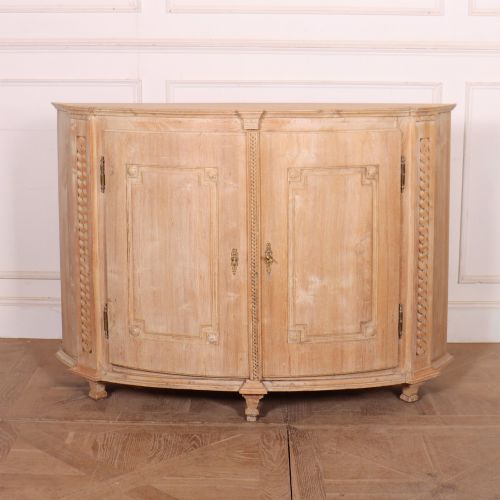
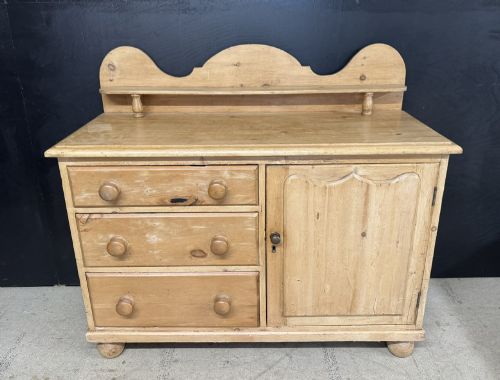
An antique country pine sideboard encompasses practical utility furniture built from softwood, typically configured with drawers, cupboards, or potboards for domestic storage. These pieces bridge several related utilitarian forms found on this page, including dresser bases, kitchen dressers, and serving tables.
The material record spans from the eighteenth century through the twentieth century, with Victorian and Georgian examples appearing alongside Swedish, French, and Scottish regional variants. Buyers encounter pieces intended for hardworking kitchens, dairies, and boot rooms, reflecting diverse domestic routines across Britain and continental Europe.
Materials and Construction
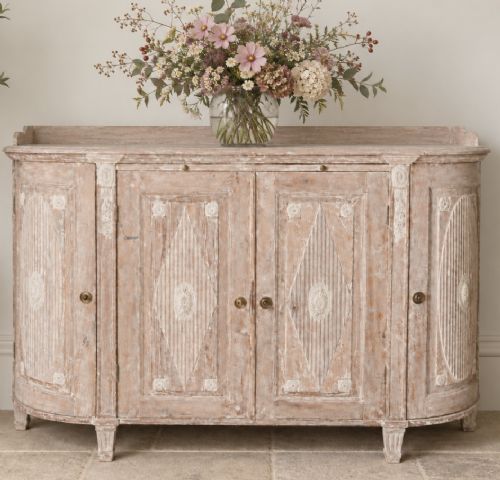
Makers utilised native pine alongside supplementary woods such as sycamore for working surfaces, integrating brass or iron hardware for hinges, pulls, and structural reinforcement. Surfaces frequently retain original or historic paint treatments, scumble glazes, or wax finishes applied to protect the softwood.
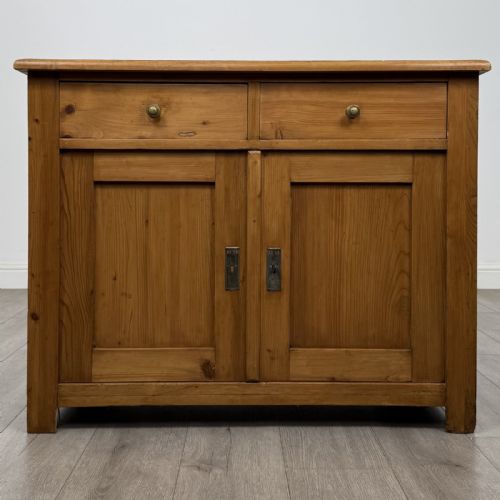
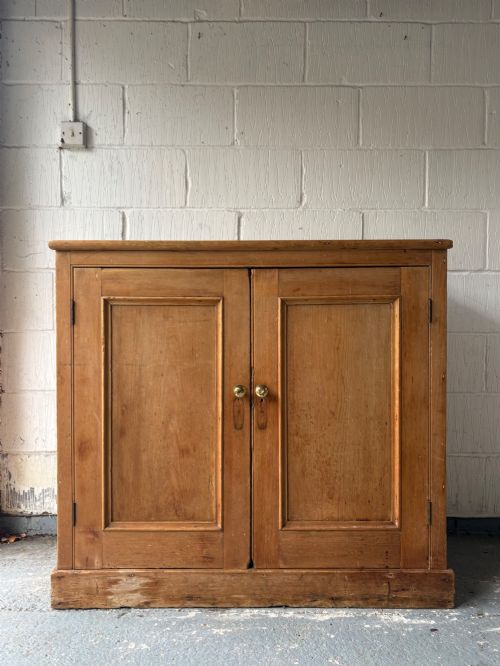
Construction methods prioritize utility and strength, utilising sturdy board construction, dovetailed drawers, and panelled doors designed to withstand daily use in domestic environments. Secondary woods appear in internal framing and drawer linings, demonstrating pragmatic material economy.
Antique Country Pine Sideboard Retail Price Guide 2026
Typical asking prices for country pine sideboard among the pieces listed under this phrase on Sellingantiques today, from the lower quarter to the upper quarter. They describe what is for sale here now, not the wider market.
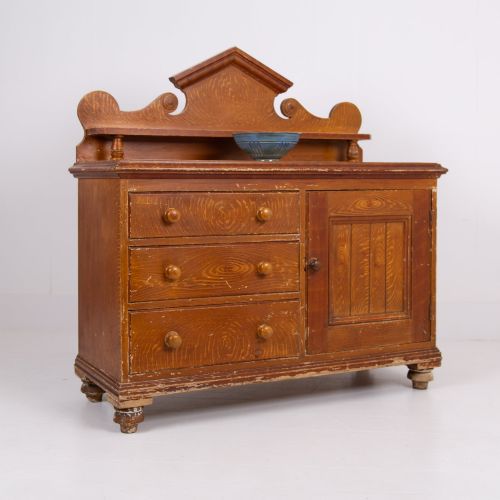
Several pieces preserve the energetic marks of scumble painting, where decorators gleefully dragged combs through wet glaze to fake expensive hardwood.
Assessing Quality and Character
Quality rests in the survival of original surface treatments, whether patinated wax or authentic historic paint, which impart depth and visual interest to the softwood. Pieces retaining their original hardware and unaltered structural proportions command greater appreciation among collectors.
The Antique Country Pine Sideboard Glossary
- Dresser base
- The lower section of a kitchen dresser, featuring a flat top surface above drawers and cupboards, functioning independently as a sideboard.
- Potboard
- An open slatted lower shelf incorporated into a dresser base, originally designed to hold heavy ceramic or metal cooking pots.
- Scumble painted
- A decorative technique involving translucent tinted glaze applied over a base coat to simulate wood grain or create mottled surface patterns.
- Confiturier
- A French provincial small cupboard or jam press, built with a single door and compact proportions for kitchen storage.
- Vernacular
- Furniture built by local tradesmen using regional traditions and readily available materials rather than following high-style academic design.
Antique Country Pine Sideboard: Frequently Asked Questions
What is an antique country pine sideboard?
These pieces are utilitarian storage items built from softwood, originating from domestic settings like farmhouses, kitchens, and boot rooms. They typically incorporate drawers, cupboards, and flat serving surfaces.
They reflect regional woodworking traditions across Britain, Scandinavia, and France, utilising durable construction methods suited for everyday practical service.
How were these sideboards used originally?
Families utilised them in kitchens and dining areas for storing heavy ceramics, linens, utensils, and daily provisions. The robust top surfaces doubled as preparation areas for food.
In dairies or boot rooms, equivalent tables and cupboards managed heavy domestic tasks, serving as stable workbenches and organising gear.
How do I care for a waxed pine finish?
Maintain waxed surfaces by applying a traditional beeswax polish periodically, buffing gently with a soft cloth to preserve the natural lustre. Avoid placing pine furniture near direct heat sources or excessive moisture.
Routine cleaning requires only a dry or slightly damp cloth, protecting the soft timber grain and historic patina from harsh detergents.
How can I tell Georgian pine from Victorian pine?
Georgian pine furniture often exhibits finer proportions, hand-cut joinery details, and specific regional construction traits characteristic of the eighteenth century. Timber selection and drawer construction methods help indicate this earlier period. Nineteeth-century Victorian examples tend toward sturdier proportions, broader planking, and standardised hardware, reflecting industrial shifts in production while retaining farmhouse utility.