
Traditional Pine Kitchen Dresser
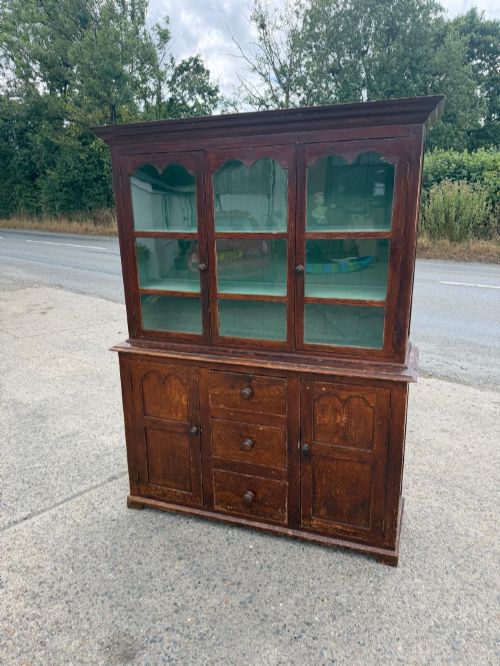
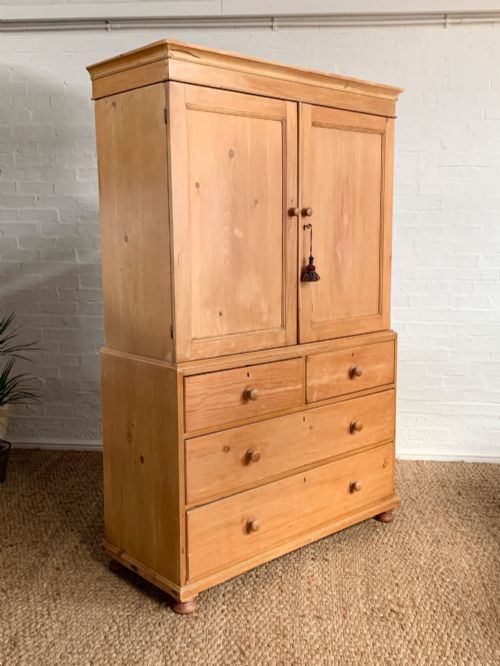
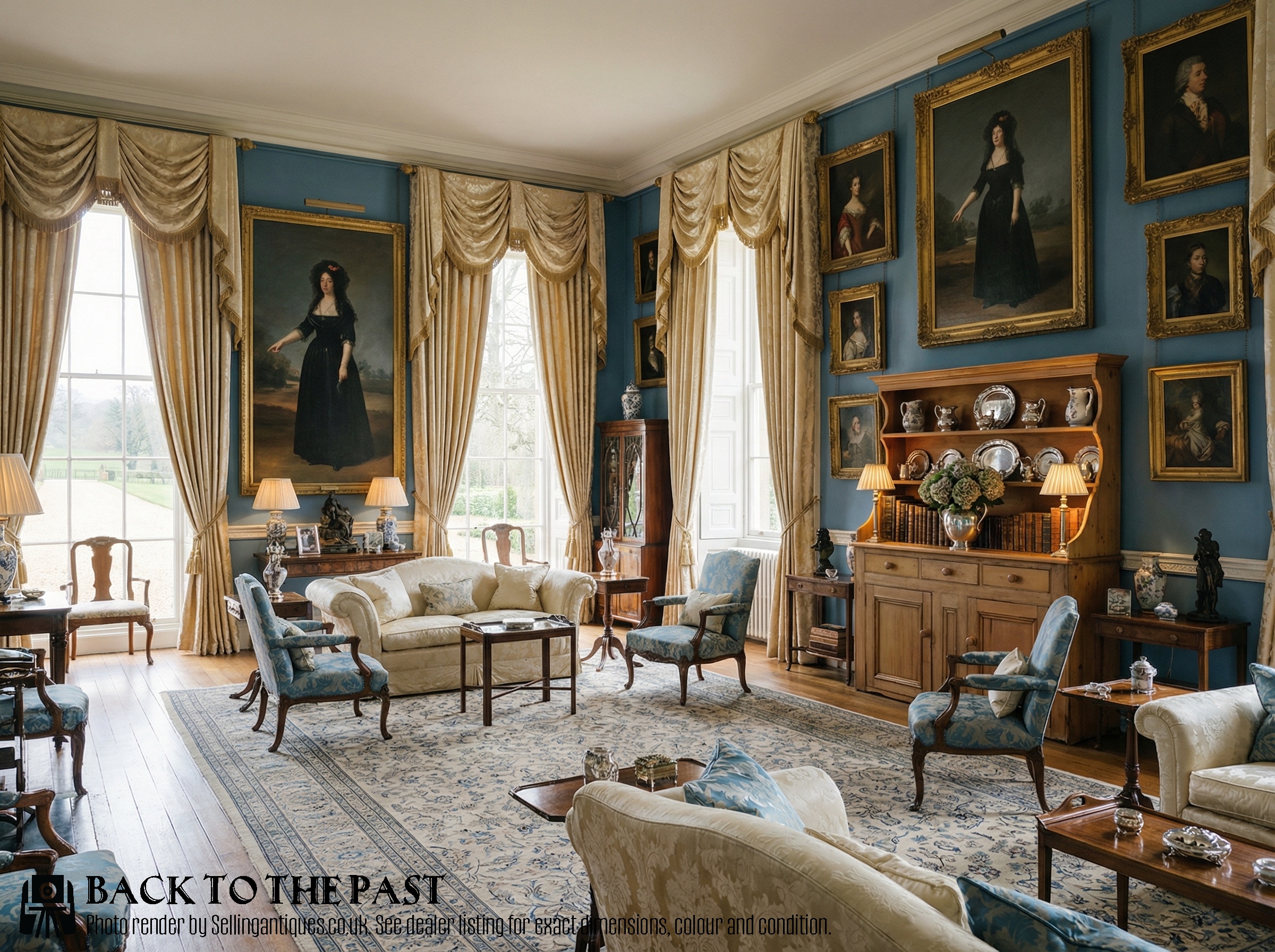
A traditional pine kitchen dresser anchors a room with honest utility, offering deep cupboards for storage and open shelves for display.
Traditional Pine Kitchen Dresser
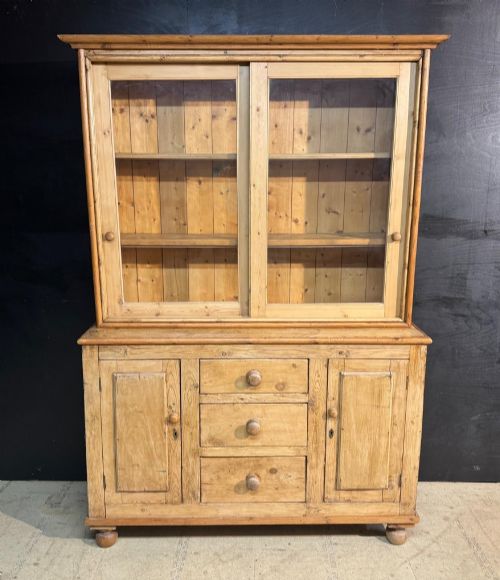
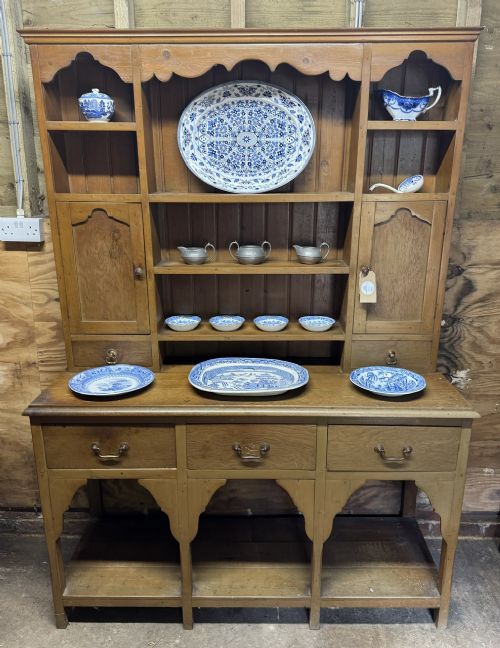
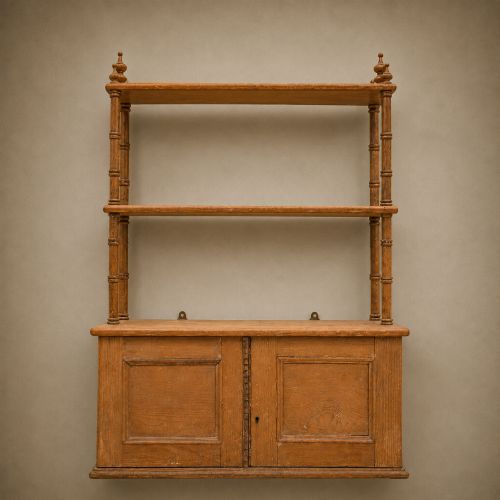
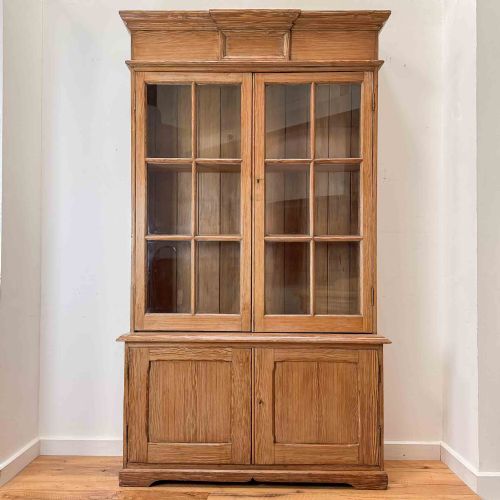
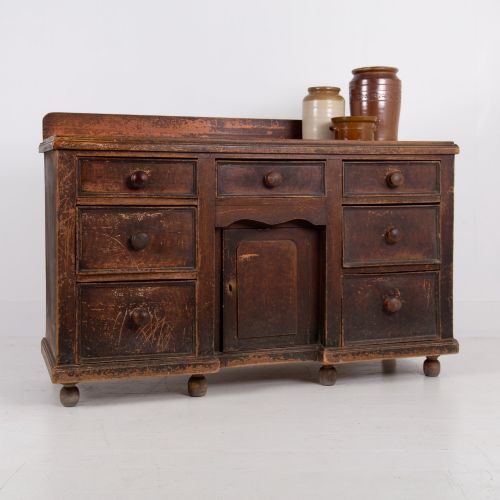
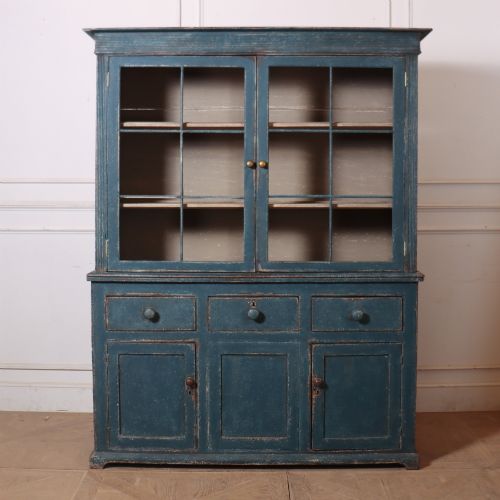
A traditional pine kitchen dresser combines a lower base of drawers and cupboards with upper shelving for displaying tableware. These pieces emerge from domestic working kitchens across regions such as Wales, Scotland, and the West Country, shaped by local vernacular needs.
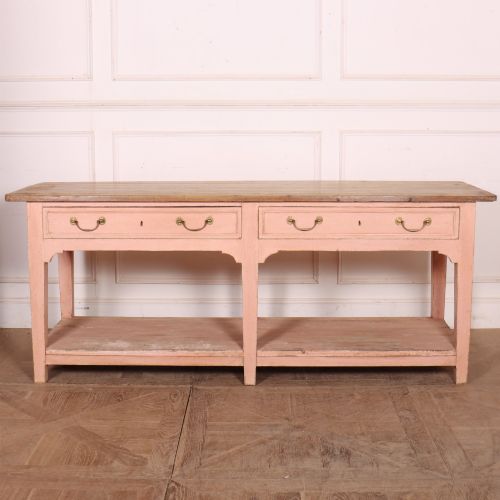
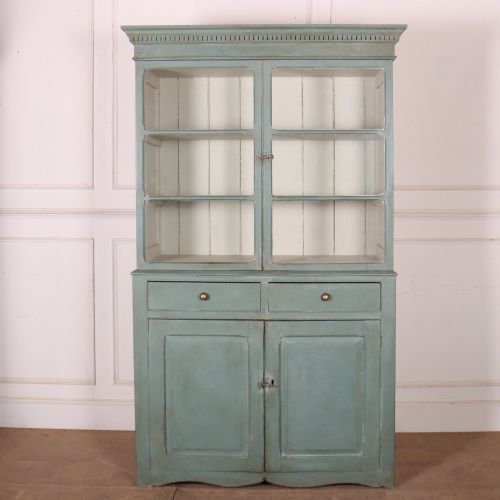
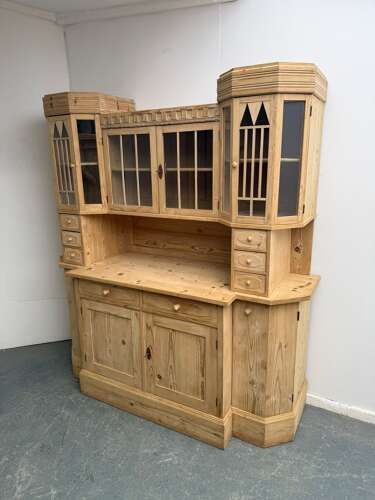
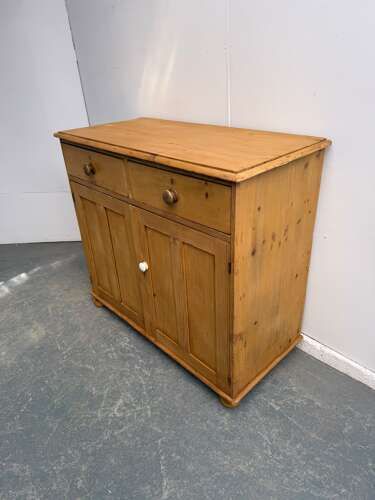
The version most commonly met on this page is a nineteenth century or Victorian construction in solid pine, often retaining a waxed finish or traces of original paint. Formats range from open potboard bases to grand two-piece glazed cabinets designed for daily farmhouse life.
Materials and Construction
Makers built these pieces primarily from solid pine and pitch pine, selected for accessibility and resilience in busy domestic environments. Iron and brass fittings, including drop handles and hinges, secure doors and drawers built to withstand heavy daily use.
Surfaces show the hand of the maker through pegged joints, hand-planed panels, and applied mouldings. Finish ranges from scrubbed bare wood and traditional wax to layered original paint and folk art decoration.
Materials across these listings include pine, pitch pine, brass, iron, and painted wood surfaces.
Evaluating Quality and Character
Quality rests in the integrity of the structural timber and the retention of original surface treatments like historic paint or deep patinated wax. Pieces that retain their original backboards, brass hardware, and unaltered proportions command greater architectural presence.
The Traditional Pine Kitchen Dresser Glossary
- Potboard
- An open lower shelf beneath a dresser base traditionally used for storing heavy pots and pans. This open platform distinguishes many vernacular English and Scottish designs.
- Dog kennel
- A central recessed open space situated between lower cupboards in a dresser base. This specific configuration appears in nineteenth century farmhouse and cottage furniture.
- Patina
- The surface sheen and colour acquired through decades of handling, polishing, and natural ageing. A genuine waxed surface displays depth that cannot be replicated by modern finishing.
- Vernacular
- Architecture and furniture built by local craftsmen using regional traditions and readily available materials rather than grand academic styles. These utilitarian pieces reflect the specific domestic requirements of their geographic origin.
- Plate rack
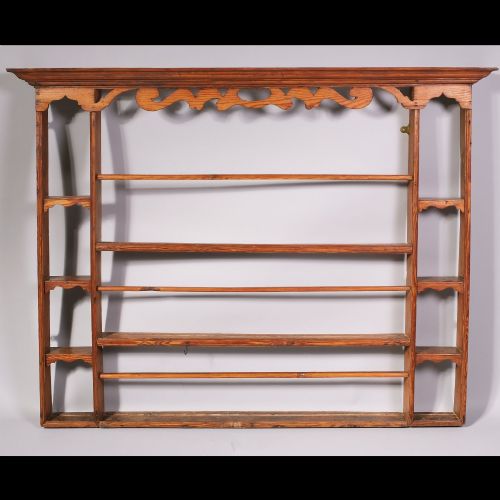
- An upper wall-mounted or dresser-attached framework featuring grooved wooden shelves designed to hold plates upright. This element allows ceramic tableware to dry and display simultaneously.
Traditional Pine Kitchen Dresser: Frequently Asked Questions
How do I date a pine dresser?
Dating relies on construction methods, timber selection, and hardware styles observable across the piece. Hand-cut dovetails, square-headed nails, and original backboards often point towards eighteenth or nineteenth century origins.
Regional variations and surface wear also help narrow the period. Later Victorian and Edwardian examples often feature standardised iron fittings and machine-sawn timber components.
What is the difference between a dresser base and a full dresser?
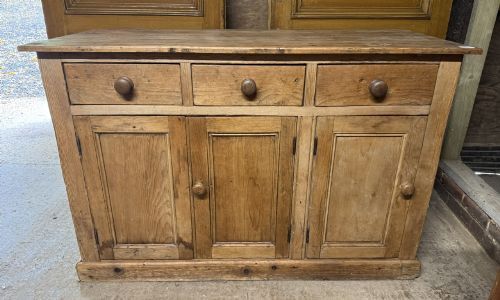
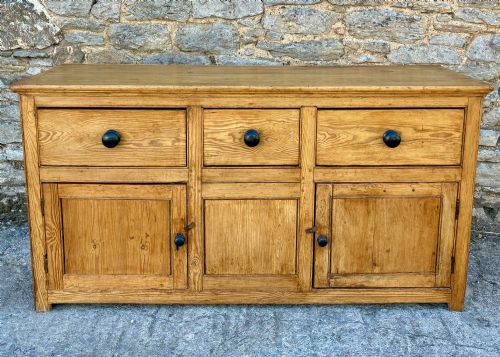
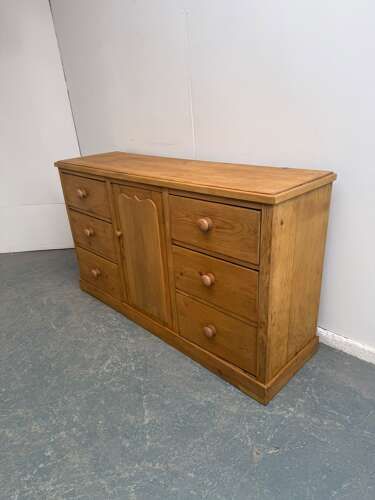
A dresser base consists solely of the lower sideboard cabinet featuring drawers and cupboards. It functions as a standalone serving surface or low storage unit.
A full dresser includes both the lower base and an upper section with shelves or glazed cabinets. This upper tier provides display space for ceramics and kitchenware.
Are these dressers suitable for modern kitchens?
These pieces provide substantial storage capacity through deep drawers and spacious cupboards suited to contemporary storage needs. Their open upper shelves offer practical display areas for everyday dishware.
Their domestic origins mean they integrate naturally into modern kitchen spaces as focal storage furniture. Scale and ceiling height should be checked against monumental multi-part pieces before placement.
How should I care for waxed pine furniture?
Maintain waxed surfaces by applying a traditional beeswax polish sparingly and buffing with a soft cloth. Avoid placing these pieces near direct heat sources or strong sunlight to prevent timber movement.
Clean surfaces with a dry or barely damp cloth to preserve the historic patina. Regular light maintenance protects the wood without stripping its accumulated character.