


Historic Oil Painting
A historic oil painting carries centuries of human likeness and maritime drama into a modern room.
Historic Oil Painting
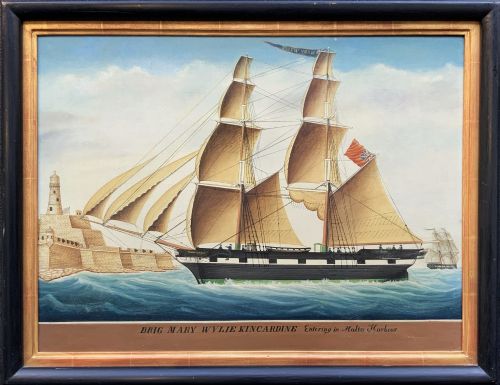
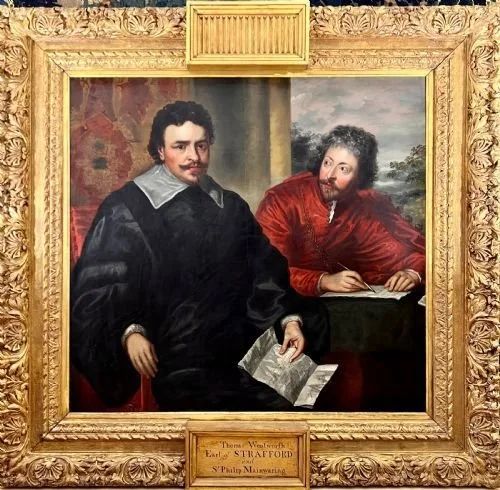
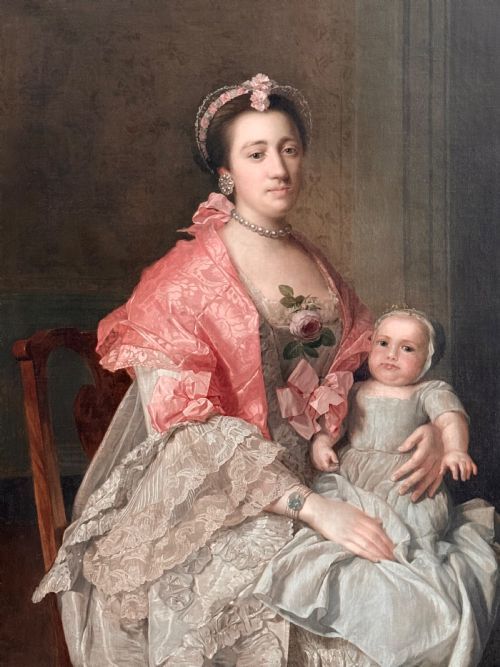
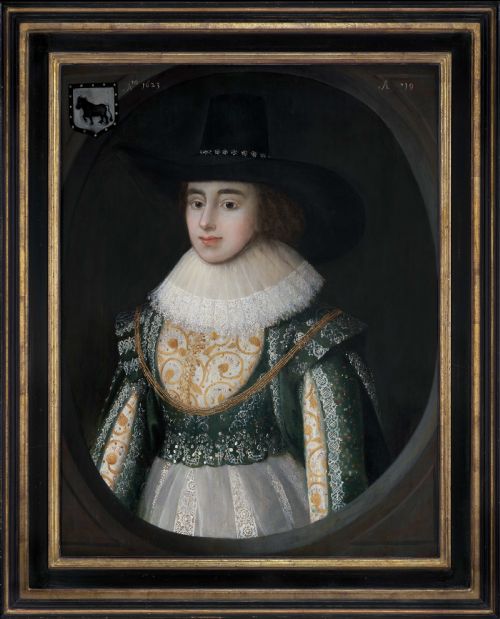
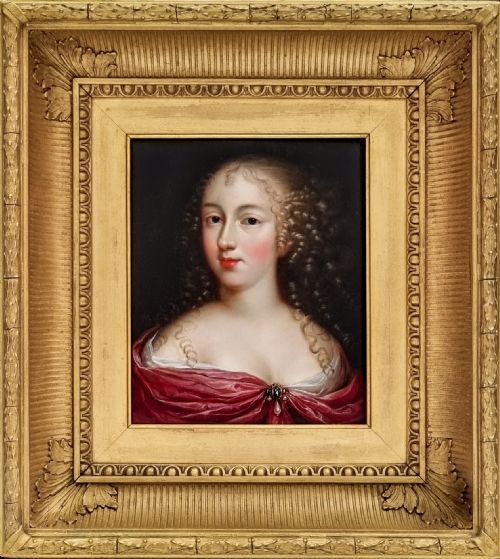
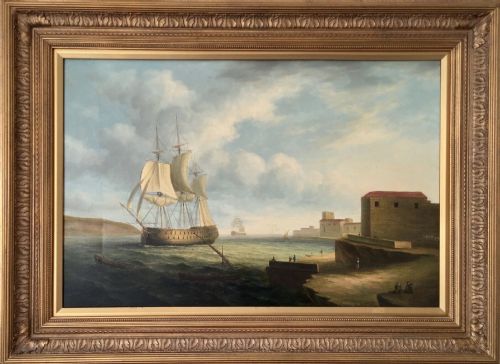
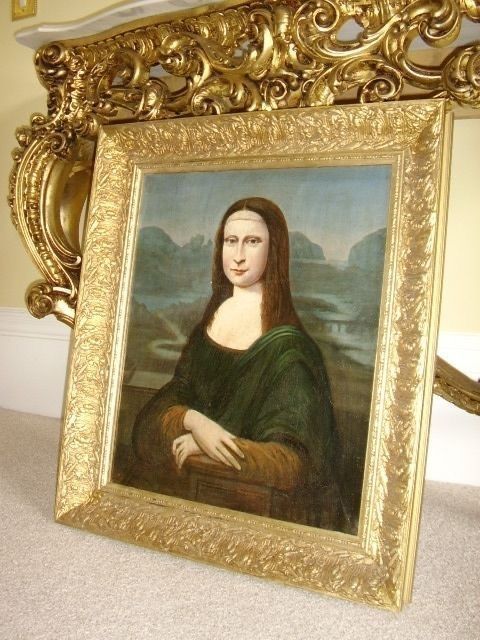
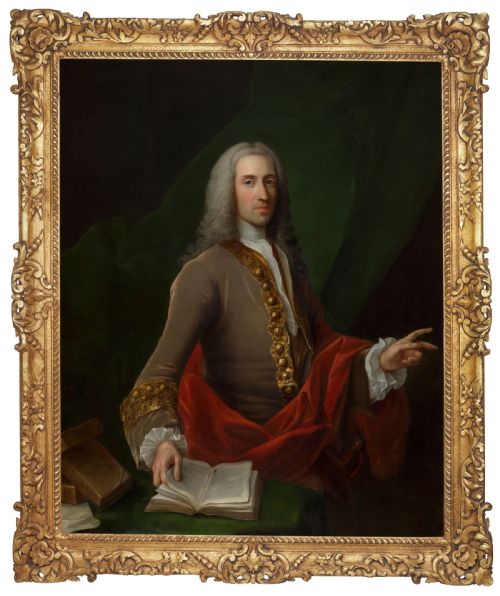
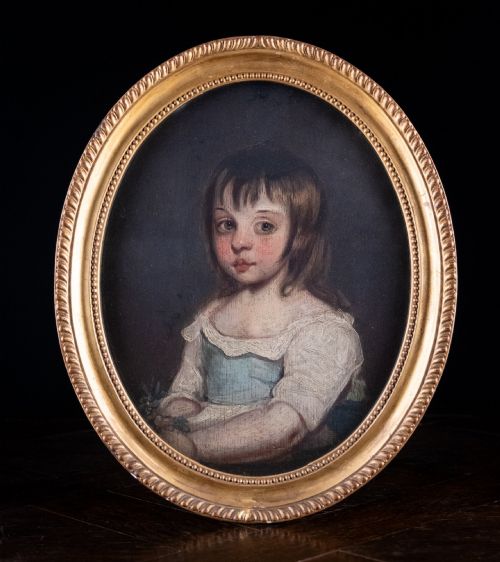
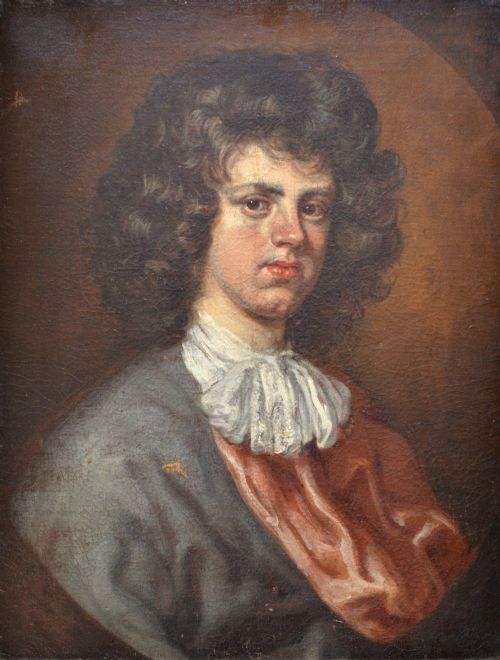
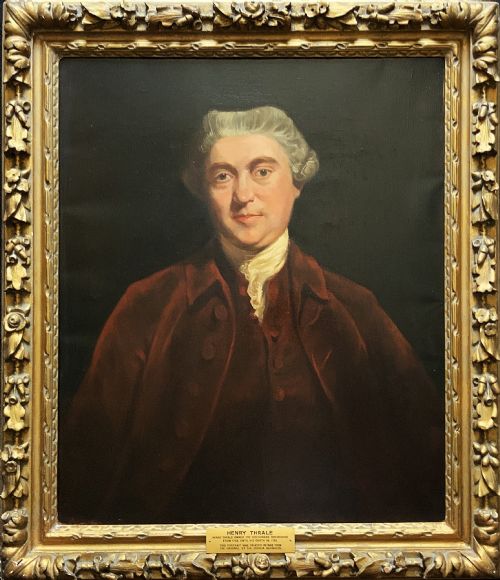
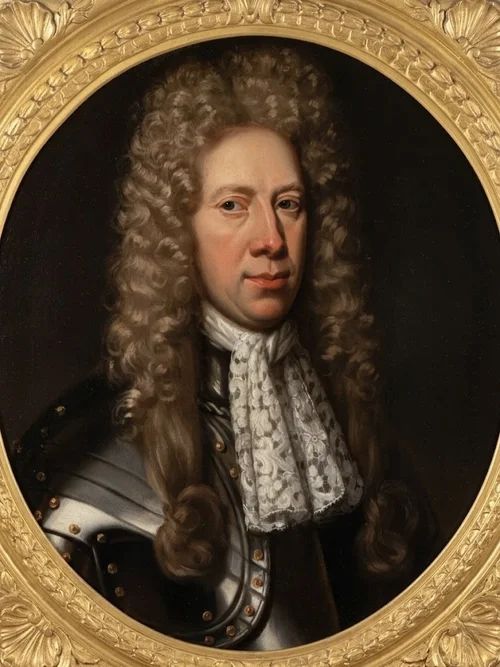
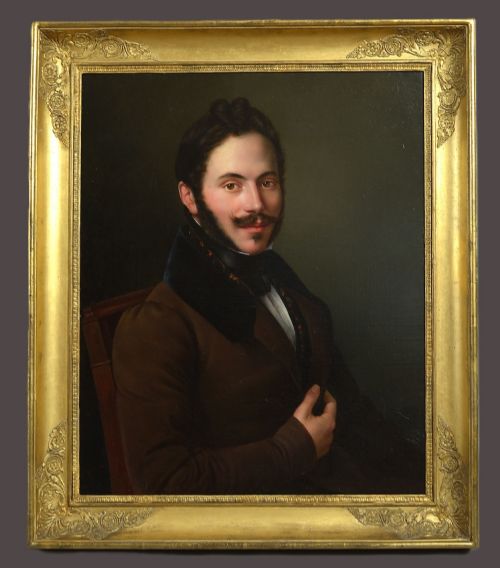
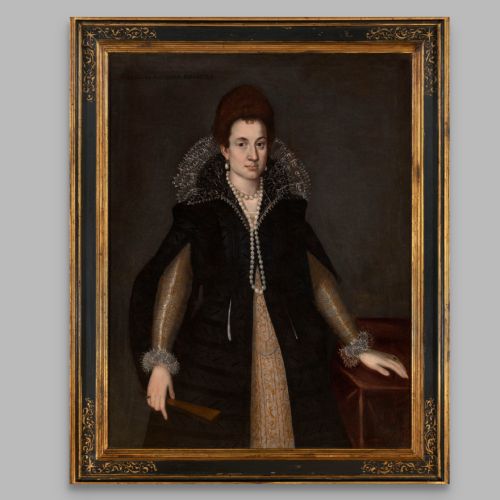
A historic oil painting encompasses portraits of nobles, judges and country girls alongside maritime scenes of gale-swept Dutch boats and naval vessels. These works stretch across the seventeenth, eighteenth and nineteenth centuries, capturing both specific historical figures and broader landscape scenes.
The pieces on this page are most frequently canvas portraits or panel works executed by regional European schools and named masters. Buyers encounter aristocratic likenesses alongside genre scenes and coastal views dating from the Georgian and Victorian eras.
Materials and construction
Artists built these historic oil paintings using oil paint applied to stretched canvas or wooden panels. Support structures often incorporated wood frames finished with gold leaf or giltwood.
Subject matter ranges from formal portraits of nobility to maritime scenes of gale-swept Dutch boats.
Distinctions in execution
The preservation of the original canvas or panel surface dictates the standing of a piece. Works retaining undisturbed pigment layers and period frames command greater regard than those requiring extensive stabilization.
SIR WILLIAM BEECHEY R.A·JEREMIAH DAVISON·Sir Godfrey Kneller·Mary Beale·JOHN SCOUGALL·Edouard Pingret·Pietro Fachetti·Bonaventura Peeters·Joseph Vivienne·Henri and Charles Beaubrun·John Greenhill·WILLIAM MILLAR·Frank Moss Bennett
The Historic Oil Painting Glossary
- Oil on Canvas
- A traditional painting medium where pigments bound in oil are applied to woven fabric stretched across a wooden frame. This combination allows for rich blending and textured brushwork.
- Giltwood
- Wood carved and coated with a thin layer of gold leaf or metallic powder. It forms the decorative gilded frames surrounding many period portraits.
- Panel Painting
- A work executed on a flat piece of wood or metal rather than canvas. Wooden boards were common supports for early works.
- Circle of
- A designation indicating an artist worked closely within the studio environment of a master. The style directly reflects that of the principal painter.
- Dutch Golden Age
- A period of notable artistic achievement in the Netherlands during the seventeenth century. Works from this tradition often feature precise realism and dramatic lighting.
Historic Oil Painting: Frequently Asked Questions
How do I identify the period of a painting?
Examine the costume, wig style and facial hair of the sitter, which often align with specific decades like the seventeenth or eighteenth century. Canvas types and frame construction also offer strong clues to the era of creation.
Secondary evidence includes inscriptions, wax seals or past exhibition labels on the reverse of the stretcher bars. Comparing the brush technique to known regional schools helps narrow down the date.
Where should I hang a historic oil painting?
Position paintings away from direct sunlight and strong heat sources to protect the oil pigments and wooden panels from cracking. Stable indoor humidity keeps the canvas properly tensioned.
Choose walls where the weight of a giltwood frame can be safely supported by appropriate fixings. Eye level placement allows the fine details of portraits and maritime scenes to be appreciated clearly.
What is the difference between canvas and panel works?
Canvas paintings utilise a woven textile stretched over a wooden frame, giving a slightly yielding surface under the brush. Panel paintings use rigid supports made of wood or occasionally metal.
Panels were more common in earlier centuries and among northern European schools, offering a smooth ground for minute detail. Canvas became dominant as larger formats grew in popularity.
What does attribution to a school mean?
Attribution to a specific school indicates the work was produced in a particular region and era, reflecting the prevailing style of that artistic community. It connects anonymous pieces to a recognised tradition.
Such works may not bear a master's signature but share the technical characteristics and palette of contemporary workshops. This classification provides a reliable historical context for the buyer.