
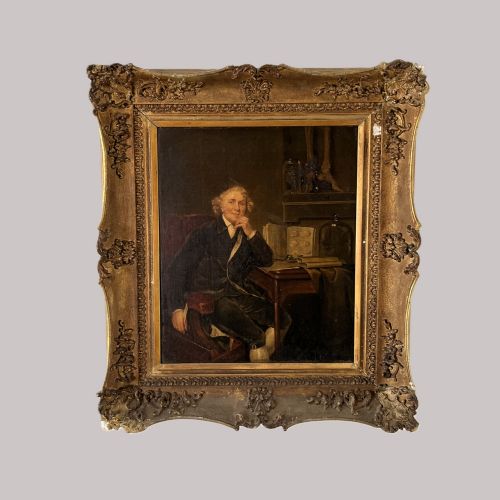


Academic Portraiture Painting
Academic portraiture painting brings formal figurative work into a room, offering structured character studies executed with disciplined academic rigour.
Academic Portraiture Painting
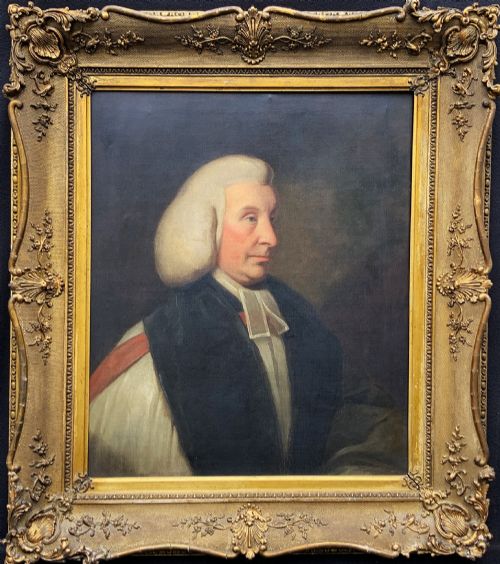
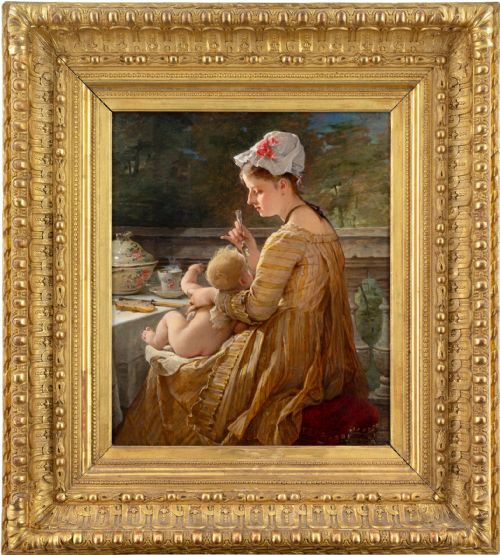
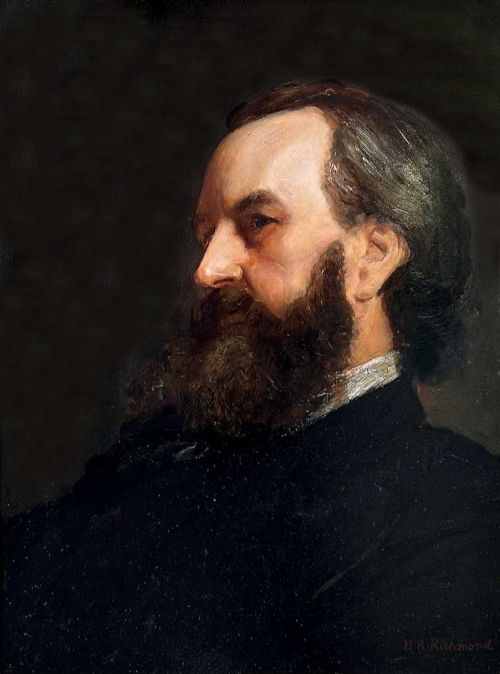
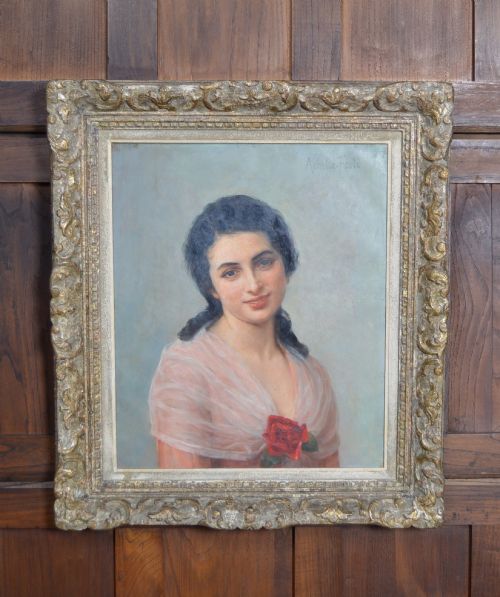
Academic portraiture painting captures human subjects with meticulous anatomical precision and formal composition, reflecting rigorous training in traditional academies. When exploring academic portraiture painting, collectors encounter formal likenesses rendered on canvas across the eighteenth, nineteenth, and twentieth centuries. These works document specific individuals, ranging from clergymen and scientists to continental ladies and notable peers.
The material forms on this page span several distinct eras, notably featuring Victorian, Edwardian, and Georgian periods alongside specific dates from eighteen seventy to nineteen fifty. Painters utilise traditional oil paint upon canvas surfaces, frequently housed within decorative giltwood or gesso frames made of wood. Each piece presents a window into historical portraiture traditions, maintaining the likeness and status of past sitters through enduring oil mediums.
How these works were constructed
Artists built these portraits using oil paint on stretched canvas, applying layers of pigment to achieve subtle tonal gradations and lifelike flesh tones. This technique allowed painters to manipulate light and shadow meticulously, defining facial structures and drapery with high realism.
Surviving canvases sit within wooden frames finished in gesso and giltwood or gilt wood, providing structural support and visual enhancement. The combination of durable oil paint and gilded wooden framing ensures these historical artworks survive across generations.
Framing materials across the collection consistently feature wood, gesso, and giltwood.
What distinguishes finer examples
The standard of execution in academic portraiture painting rests upon the artist's ability to render anatomical accuracy and psychological depth. Superior works demonstrate masterful control over light, shadow, and texture, particularly in the rendering of facial expressions and fabrics.
Condition and framing also dictate the standing of a piece, with original giltwood and gesso frames adding historical context. Works by documented painters command attention through superior draughtsmanship and established provenance compared to anonymous compositions.
Adelaïde Salles-Wagner·William Blake Richmond·Achille-Fould·Rudolph Lehmann·George R Havelka·Frank Samuel Eastman
The Academic Portraiture Painting Glossary
- Academic
- A style rooted in the strict standards and traditional training of European art academies. It prioritises precise draughtsmanship, classical composition, and high realism.
- Oil on Canvas
- A painting medium where pigments bound in oil are applied to a woven canvas support. This combination offers rich colour depth and longevity.
- Giltwood
- Wood that has been coated with a thin layer of gold leaf or gilt powder. It is commonly found on traditional picture frames surrounding historical portraits.
- Gesso
- A plaster-like mixture applied to wooden frames as a base before gilding. It provides a smooth surface for intricate mouldings.
- Realism
- An artistic movement focusing on the truthful and unidealised depiction of everyday subjects. In portraiture, it translates to recording sitters without romantic embellishment.
Academic Portraiture Painting: Frequently Asked Questions
What is academic portraiture painting?
Academic portraiture painting is a genre of fine art focused on formal, highly skilled representations of human subjects. These works adhere to the rigorous compositional and technical standards taught in historical art academies.
The listings here feature oil on canvas works spanning from the eighteenth century through to the mid-twentieth century. Each piece records the likeness of historical figures, clergymen, and notable gentlemen with considerable technical proficiency.
How should I care for these oil paintings?
Protecting historical oil paintings requires stable environmental conditions away from direct sunlight and excessive humidity. Keep canvases out of rapid temperature fluctuations to prevent the oil paint and wood supports from cracking.
Dust giltwood frames gently with a soft, dry brush and avoid using chemical cleaning agents on the canvas surface. Professional conservators should handle any structural repairs or cleaning of the aged oil paint.
How do I identify the period of a portrait?
Dating academic portraiture painting involves examining the sitter's costume, hairstyle, and the framing materials used. Clothing styles, wig powdering in earlier pieces, and Victorian or Edwardian attire offer clear chronological markers.
Furthermore, stretcher construction, canvas types, and the style of gesso frames provide additional physical evidence for dating. Signatures, inscriptions on the reverse, and documented artist dates help narrow down the exact creation period.
Where were these portraits displayed originally?
These portraits traditionally hung in grand private residences, institutional libraries, and civic buildings to commemorate family lineages or notable figures. Sitters commissioned these works to project status, professional achievement, and social standing.
Today, these paintings transition easily into domestic interiors, serving as striking focal points in studies, hallways, or living rooms. Their formal composition and rich gilt frames complement both traditional and eclectic modern spaces.