


Male Figure Art
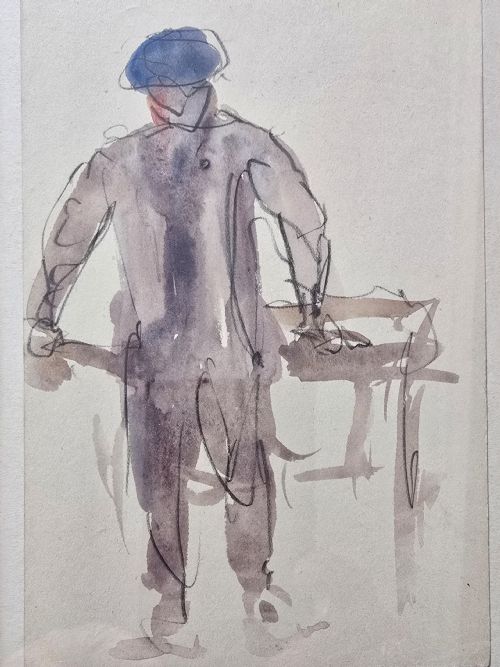
Male figure art captures the human form through centuries of portraits, drawings, and bronzes.
Male Figure Art
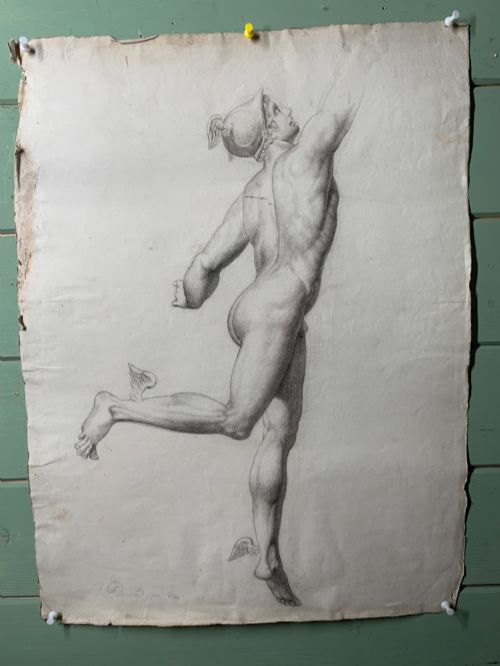
Male figure art spans centuries of creative output, focusing specifically on the depiction of men through portraits, academic life studies, and sculptural forms. When exploring this category, collectors frequently encounter oil paintings, graphite drawings, watercolours, and cast metal sculptures.
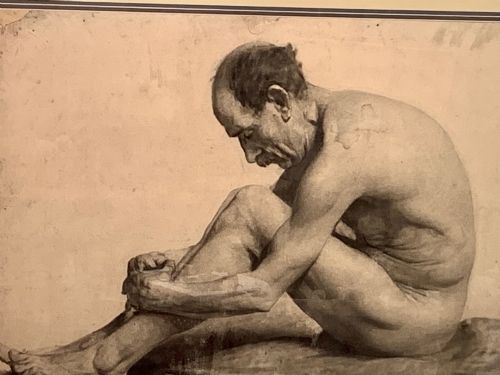
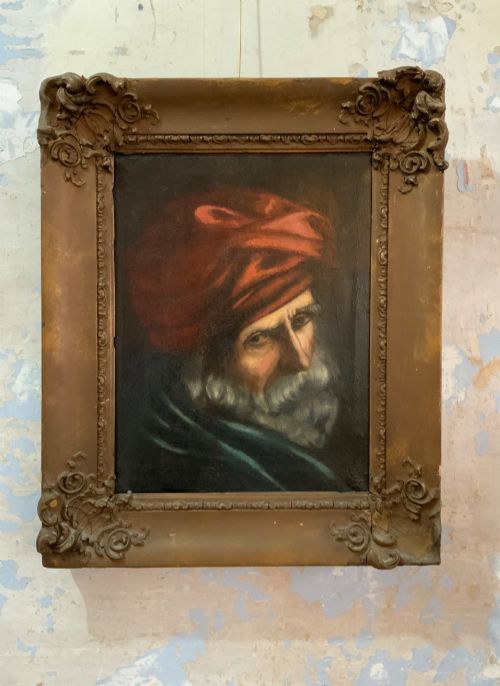
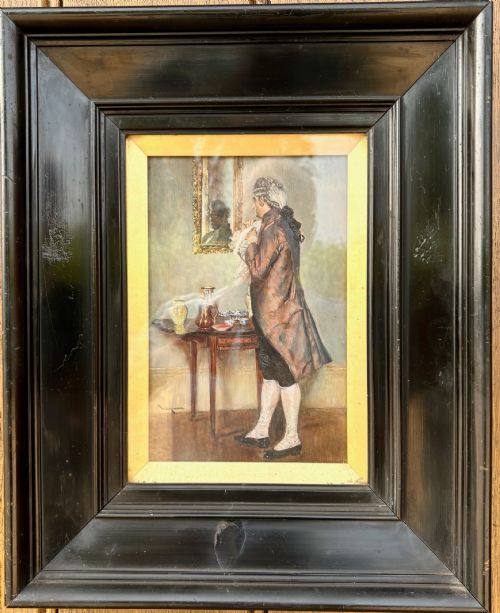
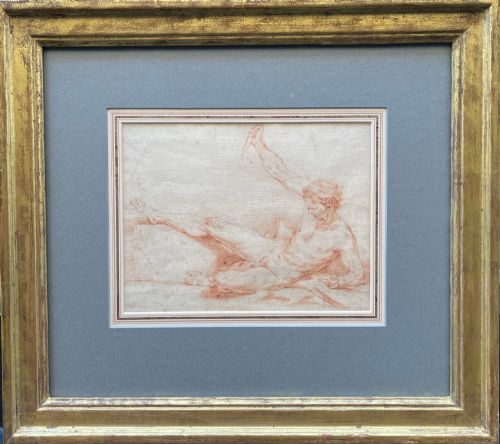
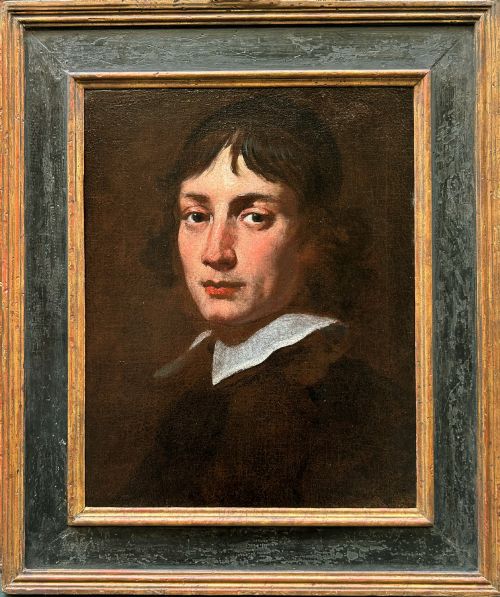
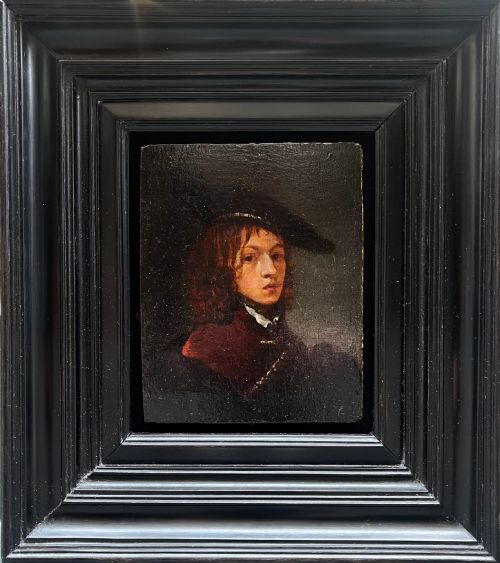
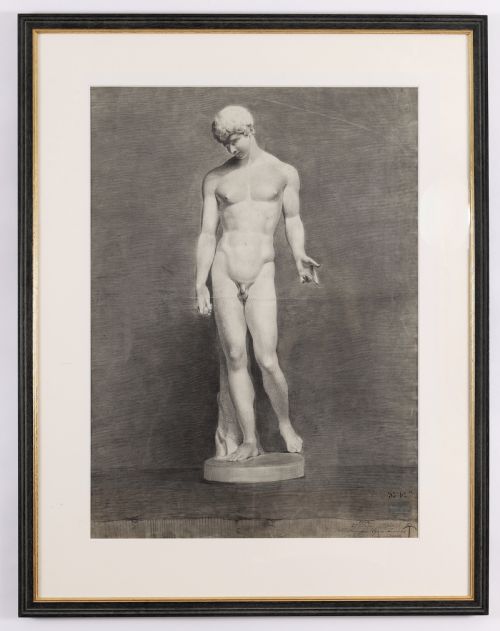
The selections available range from seventeenth-century oil paintings and eighteenth-century classical depictions to nineteenth-century academic life studies. Twentieth-century examples frequently showcase the energetic lines and patinated surfaces characteristic of the Art Deco period.
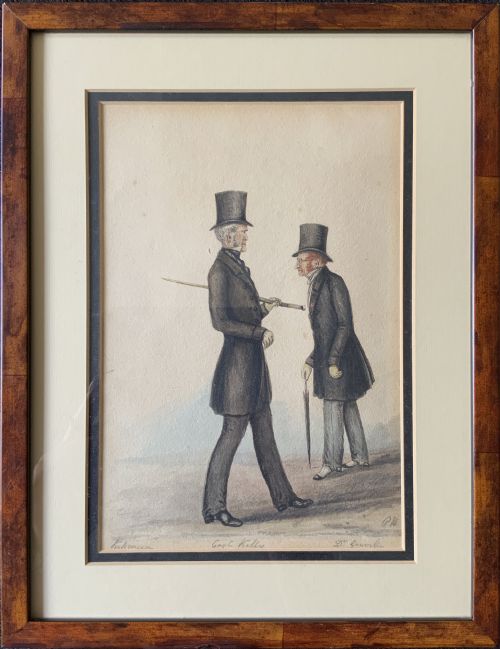
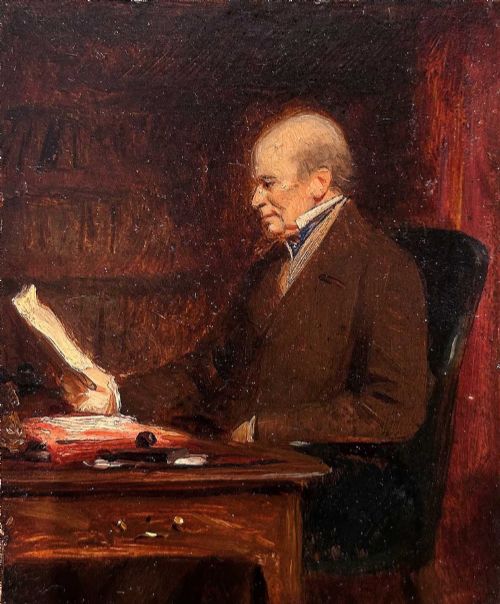
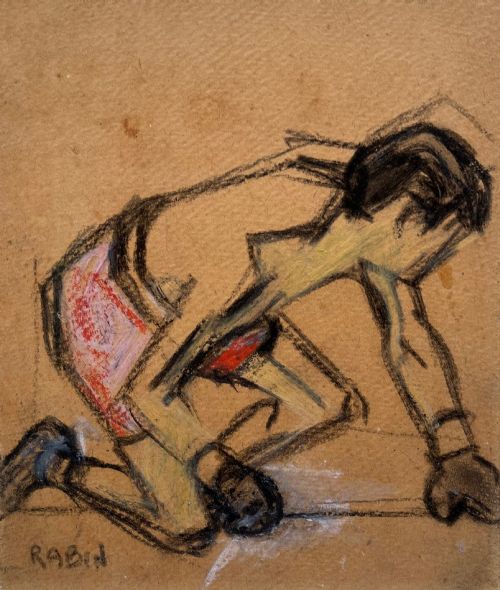
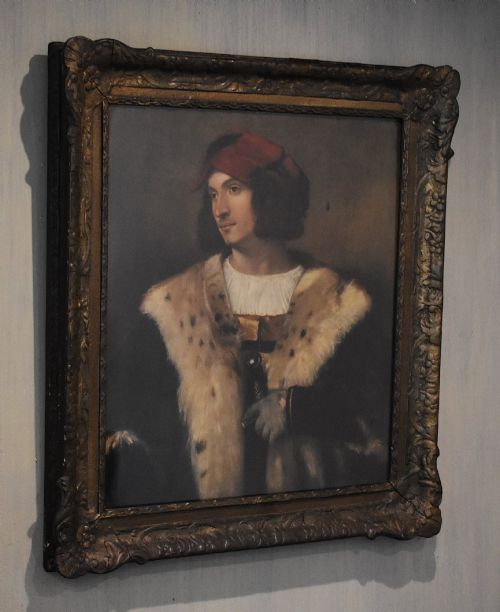
Figurative works extend from formal oil portraits of historical figures and gentlemen to dynamic athletic studies, including tennis players, fencers, and powerlifters. These pieces capture the changing ideals of the male form across Neoclassical, Victorian, and modernist movements.
Materials and construction techniques
Paintings in this collection utilise oil on canvas or board, alongside delicate watercolours and charcoal applied to paper. Artists employed traditional layering and brushwork techniques to build depth, form, and shadow in portraiture.
Three-dimensional works rely on metal casting methods, such as bronze and bronzed slip cast techniques, alongside carved wood panels and pottery figures. Sculptors captured muscular tension and fluid movement through careful modelling and patination.
Listings feature male figure art spanning from the seventeenth century through to the post-war period, executed in oil paint, bronze, and charcoal.
Distinctions in quality
The standard of a piece rests heavily upon the anatomical precision and expressive capability demonstrated by the artist or foundry. Works originating from established academic traditions or signed by recognised sculptors display superior handling of light, shadow, and proportion.
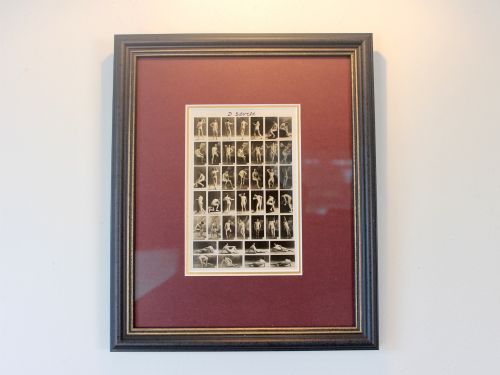
Material composition also dictates value, with hand-patinated bronzes and original oil paintings standing apart from mass-produced slip-cast ceramics or photographic prints. The crispness of the cast in metal sculptures and the preservation of pigment in paintings determine the overall integrity of the piece.
Sir Godfrey Kneller·Friedrich Goldscheider·Bruno Zach·Julien Lorieux·Rudolf Küchler
The Male Figure Art Glossary
- Academic realisms
- A style of painting and sculpture produced under the influence of European academies of art, emphasising traditional techniques and anatomical accuracy. This approach values strict adherence to classical proportions and detailed life studies.
- Patination
- The process by which a chemical treatment, age, or environmental exposure alters the surface colour of metal objects. In bronze sculptures, a controlled patina enhances depth and highlights muscular definition.
- Slip cast
- A ceramic manufacturing technique where liquid clay slip is poured into a plaster mould to create hollow figures. This method allowed workshops to produce detailed decorative pieces efficiently.
- En grisaille
- A method of painting executed entirely in shades of grey or neutral monochrome to imitate the appearance of sculpture. Artists often utilised this technique for preparatory studies or dramatic effect.
- Genre portrait
- A painting depicting scenes from everyday life rather than heroic or religious narratives. These works capture subjects in natural settings or typical occupations.
Male Figure Art: Frequently Asked Questions
What is an academic life study?
An academic life study is a detailed drawing or painting executed from a live model within a formal training environment. These works focus on mastering human anatomy, lighting, and proportion.
Students and established artists alike used these sessions to refine their technical skills before executing larger historical or narrative compositions.
How are Art Deco bronzes identified?
Art Deco bronzes typically feature stylised human forms engaged in athletic or dance movements, often finished with rich patination. They frequently date from the 1920s and 1930s and celebrate strength, speed, and modernity.
Many pieces bear the signature of the sculptor or foundry mark directly on the base or plinth.
Where were slip cast figures made?
Slip cast figures were produced in European pottery workshops, most notably by large commercial houses during the late nineteenth and early twentieth centuries. These pieces offered an accessible alternative to solid bronze or carved stone.
Potteries utilised moulds to replicate classical and contemporary figures for domestic display.
How should antique paper drawings be displayed?
Antique paper drawings and watercolours require framing with acid-free materials to prevent degradation over time. Keeping them away from direct sunlight preserves the original charcoal, ink, and watercolour pigments.
Stable indoor humidity levels ensure the paper stock remains supple and undamaged.