

Dark Brown Artwork
Dark brown artwork brings together centuries of oil paintings and portraits carrying deep, rich palettes across canvas and wood panels.
Dark Brown Artwork
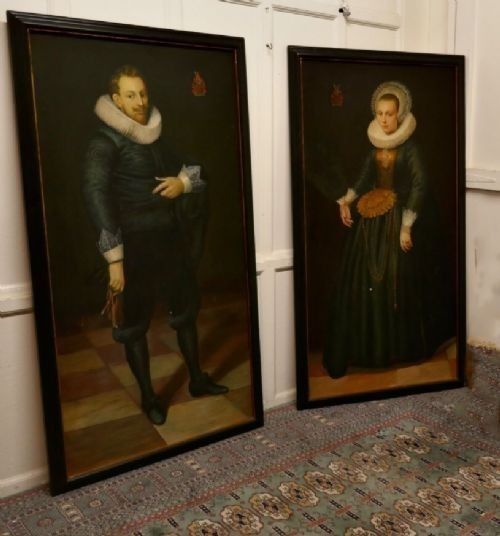
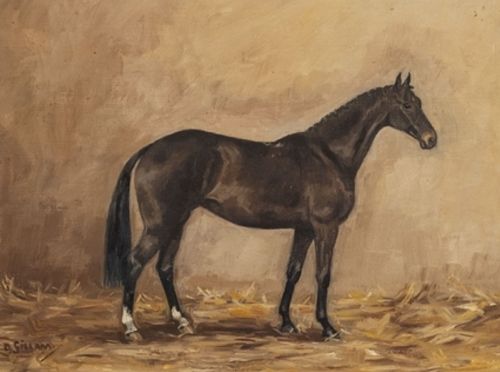
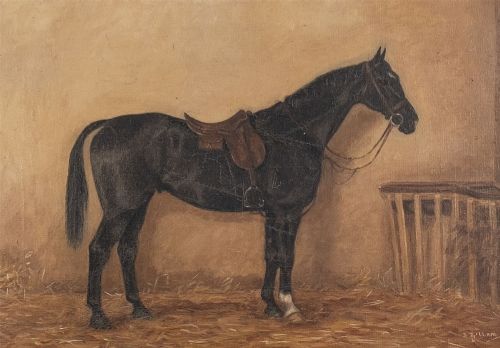
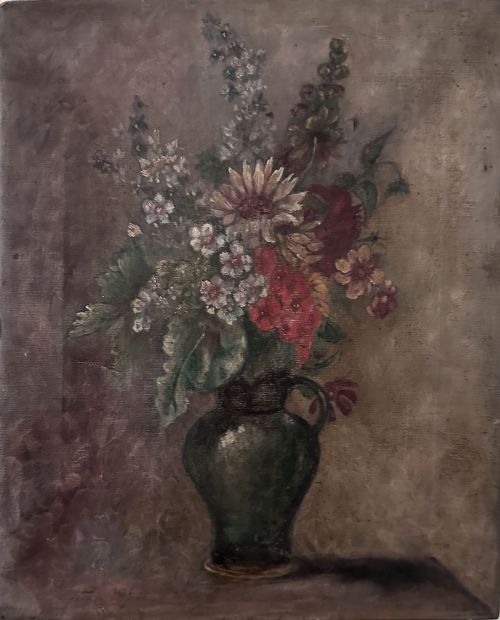
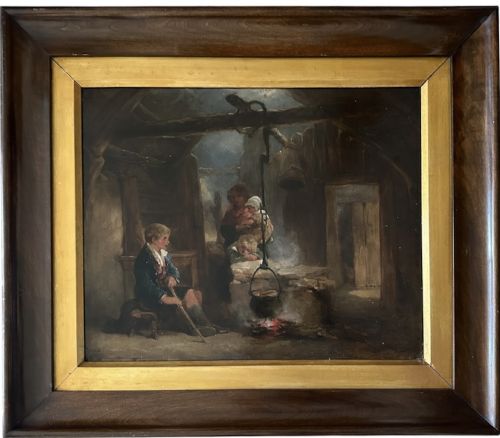
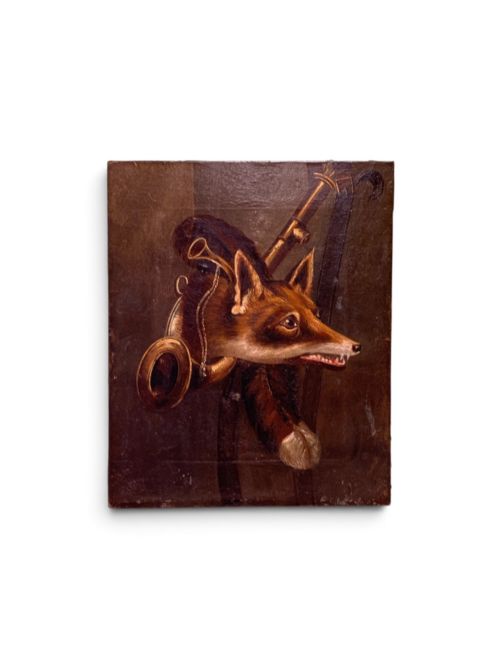
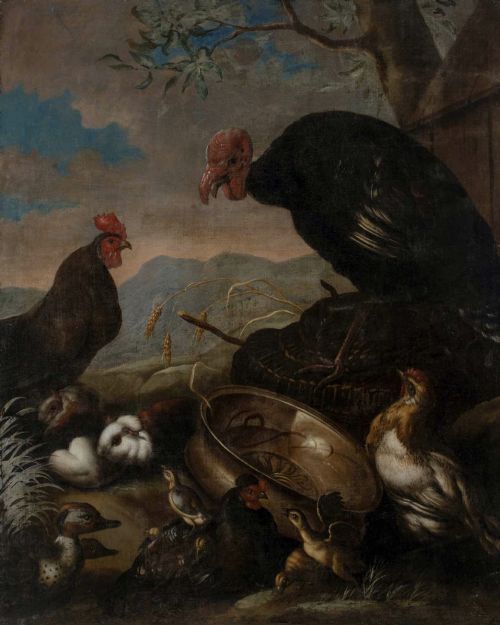
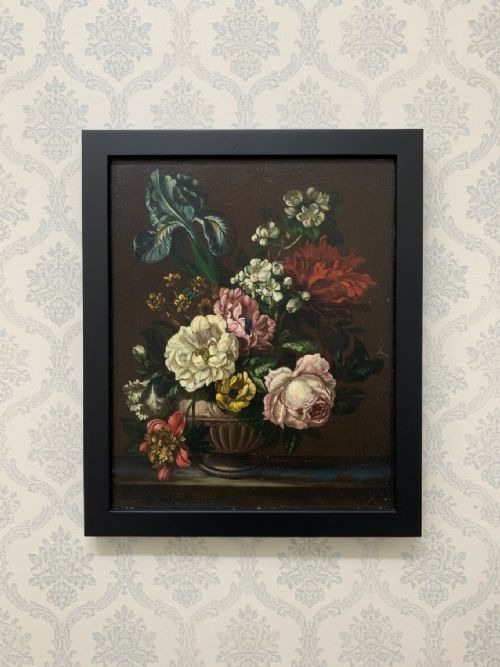
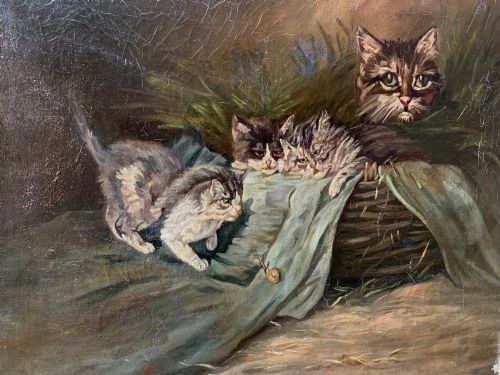
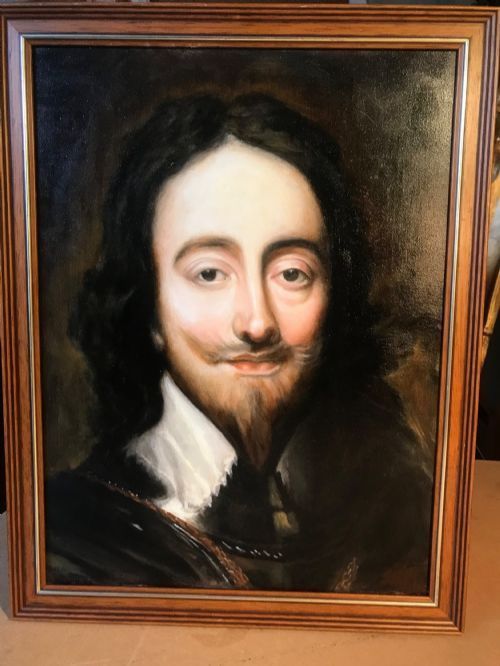
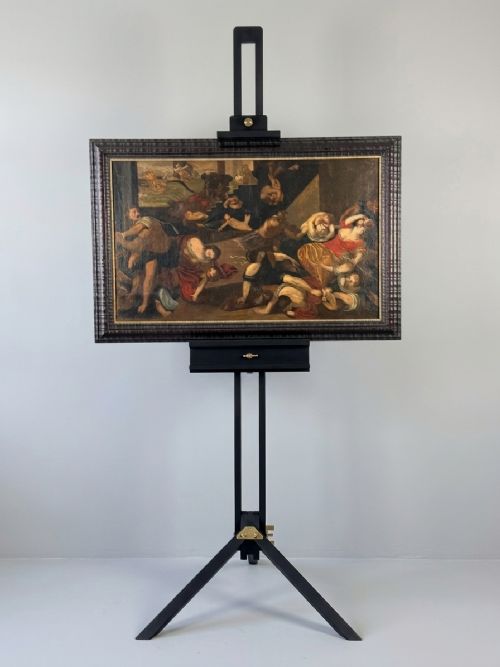
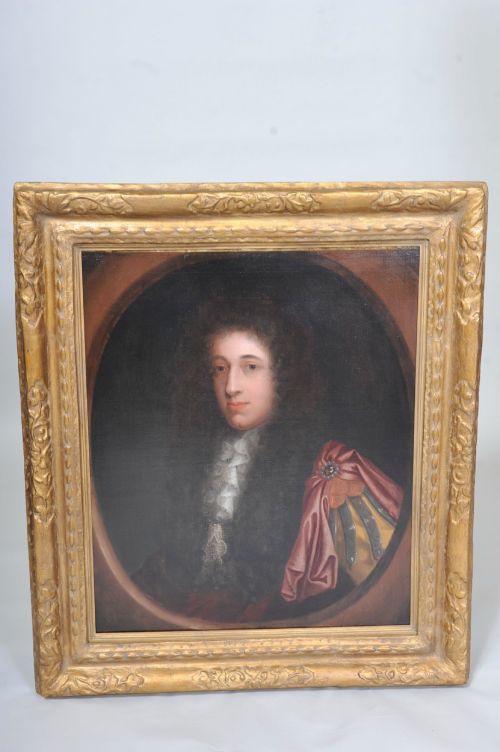
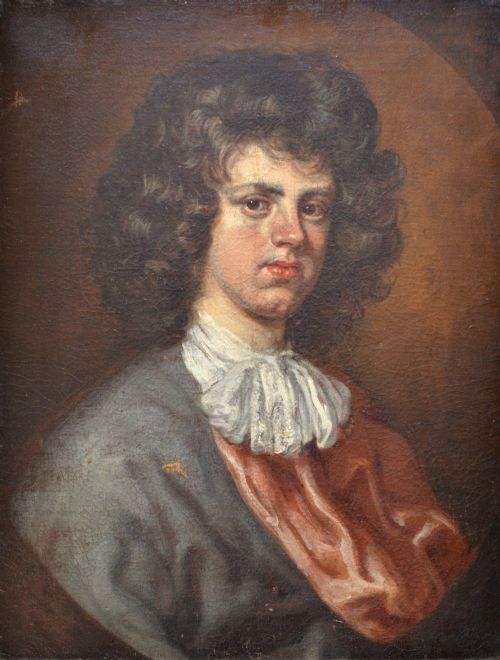
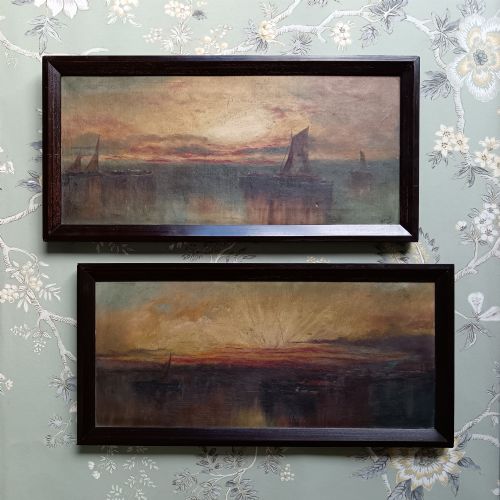
When you search for dark brown artwork, you encounter centuries of historic oil paintings, portraits, and framed works dominated by deep, earthy pigments. The selection centres heavily on 17th-century and 19th-century oil paintings on canvas and panel, featuring old master portraits, sporting scenes, and still lifes.
The pieces span various European schools, ranging from Dutch Golden Age panels to English portraits and French school canvases. These works draw their character from aged varnishes, dark grounds, and dramatic chiaroscuro lighting that places subjects against shadowy backgrounds.
How they were made
Painters built these works using oil paint applied to prepared canvas, wooden panels, or paper, often employing a dark priming layer known as an imprimatura to anchor the composition. Over decades and centuries, linseed oil and natural resins darken further, deepening the characteristic brown tones of the palette.
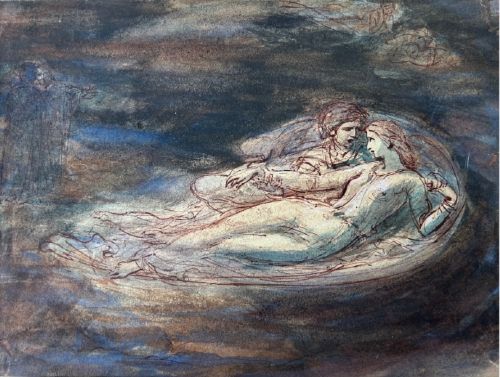
Framing typically involves gilt or carved wood matching the period of the artwork, protecting the edges of the canvas or panel. Ink and wash techniques also appear among the works on paper, utilising similar monochromatic depth.
The listings span from the seventeenth century through the Edwardian era, featuring oil paint, canvas, wood, and gilt.
What varies in quality
Quality in these dark historical pieces rests upon the strength of the composition, the handling of light within deep shadows, and the integrity of the canvas or panel support. Master work displays confident brushwork and anatomical precision even within obscured background areas.
The condition of the pigment layer and the extent of past restoration heavily influence the visual depth. Original surface texture and minimal intervention preserve the intended atmosphere of the artist better than heavy overpainting.
Anthony Van Dyck·Godfrey Kneller·Mary Beale·Augustin Edouart·TB Hardy
The Dark Brown Artwork Glossary
- Chiaroscuro
- Strong contrast between light and dark, used to give a sense of volume to figures and objects against deep backgrounds.
- Imprimatura
- A thin initial layer of paint applied to a canvas or panel, establishing a toned ground that influences subsequent dark brown shadows.
- Old Master
- A term for a European painter of skill who worked before about eighteen hundred, often associated with dark, moody interior palettes.
- Panel
- A rigid support for a painting, commonly made of wood, frequently utilised in earlier centuries before canvas became dominant.
Dark Brown Artwork: Frequently Asked Questions
How do I date an old oil painting?
Dating relies on examining the stretcher frames, canvas type, nail construction, and the ageing of the oil paint layer. Stylistic clues in costume and hair also help narrow the decade.
Secondary evidence such as signatures, inscriptions on the reverse, and historical records of the sitter provide further confirmation.
What is the Dutch Golden Age style?
This style reflects seventeenth-century painting traditions from the Netherlands, known for realistic detail, still lifes, and domestic or historical scenes. The palettes utilise deep browns and blacks to create dramatic focal points.
Artists of this tradition influenced subsequent European schools through their mastery of light and shadow.
How should I clean a dark canvas?
Historic canvases require professional conservation rather than domestic cleaning, as surface grime and aged varnish can easily be damaged by improper liquids. Specialist conservators assess the pigment stability before undertaking any work.
Keeping paintings away from direct sunlight and stable humidity prevents further darkening of the varnish.
Why are old paintings so dark?
Centuries of oxidation in linseed oil binders, combined with layers of discoloured natural resin varnish, cause the lighter tones to yellow and amber over time. Accumulated smoke and dust from historic interiors also settled into the surface.
Many of these works were also painted intentionally over dark ground layers to achieve dramatic lighting effects.