




16th Century Painting
These 16th century painting works capture the striking portraiture and religious iconography of the Renaissance, offering serious collectors a direct connection to early European and Asian workshops.
16th Century Painting
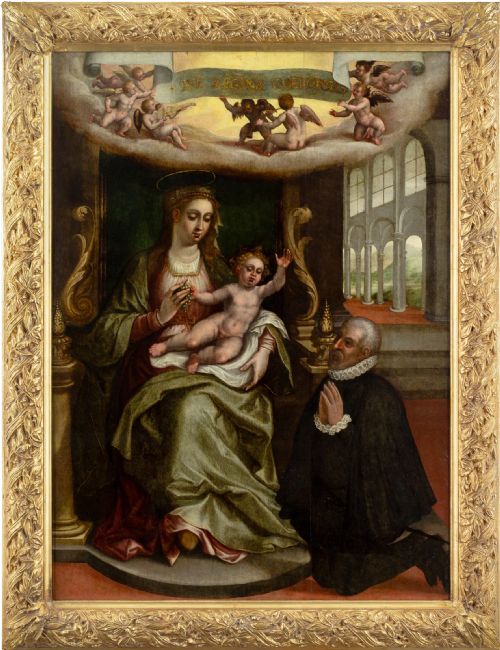
When you search for a 16th century painting, you encounter oil on canvas portraits, religious compositions, and regional school works originating from Italian, Dutch, German, and English traditions. The selections span genuine period pieces alongside later revivals, capturing aristocratic subjects, noblemen in armour, and biblical scenes.
You are most likely to meet portraits of noblewomen, gentlemen, and monarchs executed in oil, accompanied by smaller numbers of carved wooden sculptures and associated ceramic items. The inventory bridges authentic sixteenth-century execution with later reinterpretations from the nineteenth and twentieth centuries.
How they were made
The physical evidence records oil paint applied to canvas and wood panels, often accented with gold leaf or polychrome paint on sculptural elements. Canvases receive layered oil pigments to build deep drapery and flesh tones, while wood supports utilise carved relief techniques.
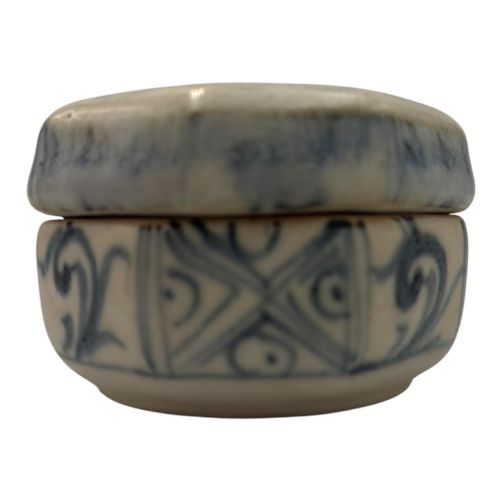
Workshops relied on traditional pigments and binders, mounting canvases over wooden stretcher frames or applying oil directly to prepared timber boards. Gilding techniques enhance frames and select religious panels, while ceramic objects employ underglaze blue and white painting on porcelain bodies.
Materials documented across the listings include oil on canvas, carved wood, gold leaf, polychrome paint, and ceramic.
What varies in quality
The distinction also rests on attribution, separating autograph works by documented masters from circle pieces and later nineteenth-century revival tributes. Original pigment retention and the stability of the canvas or wood panel further define the standing of each piece.
Miguel Barroso·Benvenuto Tisi·John Bettes the Elder·Frans Pourbus the Elder·Gortzius Geldorp
The 16th Century Painting Glossary
- Oil on Canvas
- Pigments bound in a drying oil applied to a woven fabric support stretched over a wooden frame. This technique gained prominence during the Renaissance for its blended tones and durability.
- Giltwood
- Wood that has been coated with a thin layer of gold leaf or powder. It frequently appears on period frames and decorative mouldings.
- Polychrome Paint
- The application of multiple colours to sculpture, ceramics, or wood panels. This method enlivened religious figures and decorative objects with realistic hues.
- Circle of an Artist
- A designation for a work produced by an unidentified hand closely associated with a master's studio. These pieces reflect the style and techniques of the primary artist.
- Renaissance
- The cultural movement spanning the fourteenth to the seventeenth centuries that revived classical learning and naturalistic art. It produced distinct Italian, Flemish, and English portrait and religious schools.
16th Century Painting: Frequently Asked Questions
What subjects appear most frequently?
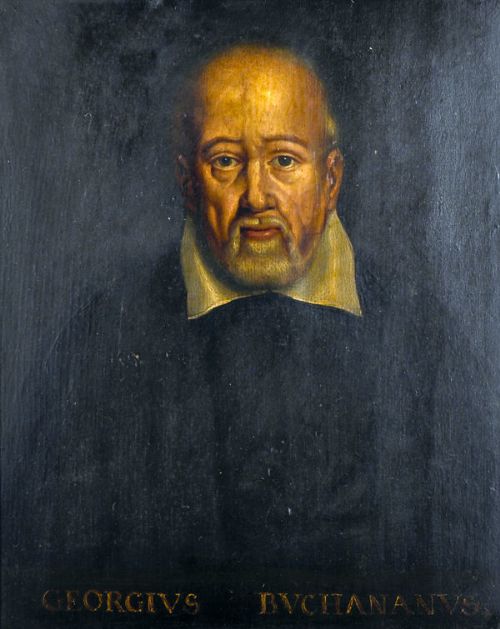
Portraits of noblemen, noblewomen, poets, and monarchs dominate the selection, alongside religious narratives like the Virgin and Child or the Adoration of the Magi. These subjects reflect the patronage and cultural priorities of sixteenth-century European courts.
Religious panels often originate from Italian or German regional schools, while secular portraits trace English Tudor and continental dynastic lineages. Occasional non-European works introduce contemporaneous Asian ceramic and miniature painting traditions.
How should I care for oil paintings on canvas?
Maintain stable ambient temperatures and moderate humidity levels to prevent the canvas from slackening and the oil paint from cracking. Keep pieces away from direct sunlight to avoid fading delicate pigments and gold leaf.
Dust surfaces gently with a soft, dry brush and avoid liquid cleaners or harsh solvents. Professional conservation is recommended for any structural repairs or varnish removal.
What is a circle or follower attribution?
An attribution to the circle or follower of an artist indicates that the piece was created by an anonymous hand working in that master's immediate sphere. These works share the technical methods and stylistic vocabulary of the named painter.
Such designations provide historical context when direct signatures are absent, linking unsigned works to major Renaissance workshops. They represent standard scholarly categorisations for period pieces.