



Tudor Oil Portrait
A tudor oil portrait brings the formidable presence of sixteenth-century monarchs and courtiers into a room through layered pigments.
Tudor Oil Portrait
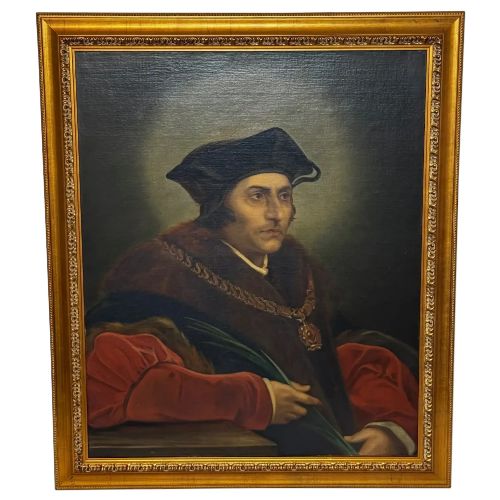
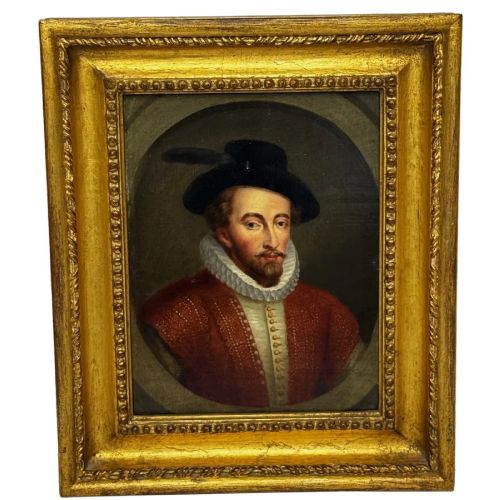
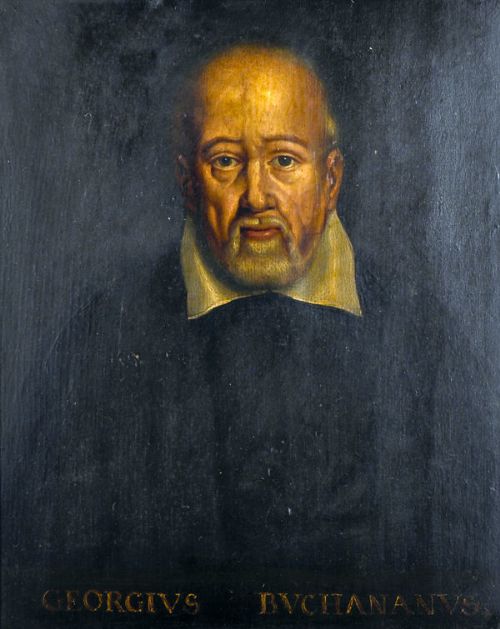
A tudor oil portrait captures historical figures, monarchs, and nobility, spanning actual sixteenth-century execution alongside later revivals from the seventeenth, eighteenth, and nineteenth centuries. The subjects frequently include notable statesmen, explorers, and royalty such as King Henry VIII, Sir Walter Raleigh, and Mary Stuart, Queen of Scots.
The versions met most often on this page combine original early works with later historical genre paintings and revivals executed in the nineteenth and twentieth centuries. These later interpretations often emulate the distinct costume, ruff collars, and rigid postures associated with the Elizabethan and Tudor eras.
The physical formats range from large gallery canvases to smaller panels and copper supports, reflecting the diverse ways artists recorded these sitters across different centuries. Framing often involves heavy hand-carved giltwood that complements the dark, restrained palettes typical of the subject matter.
Materials and construction
Oil paint applied to canvas, oak panels, or copper plates forms the primary medium for these works, allowing artists to build deep, rich tones and fine details. Ground layers and traditional binding mediums provide the structural stability that preserves these pigments across centuries.
Gold leaf and gilded wood frequently furnish the heavy frames that house these paintings, accentuating the regal and formal aesthetic of the period. Wood panels, particularly oak, serve as the rigid substrate for many of the earliest surviving examples before canvas became the dominant support.
Materials documented in these listings include oil paint, canvas, oak panels, copper, and gold leaf.
Determinants of quality
The skill of the brushwork and the anatomical accuracy of the hands, face, and costume distinguish superior examples from simpler decorative copies. Masterful handling of light on fabrics like velvet and satin separates works by skilled hands from rigid mass-produced counterparts.
The historical proximity of the artist to the subject period heavily influences the character of the piece, with works by documented contemporary painters holding distinct art-historical weight. The integrity of the original support, whether panel or canvas, and the subtlety of the ageing process also dictate the overall success of the painting.
Alfred Holst Tourrier·Adriaen Van der Werff·Christoffel Bisschop·William Aikman·John Bettes the Elder·Frans Pourbus the Elder·Gilbert Jackson
The Tudor Oil Portrait Glossary
- Giltwood
- Wood that has been coated with a thin layer of gold leaf or gold dust, commonly used for ornate antique picture frames. These frames enhance the visual weight and formal presentation of historical paintings.
- Oil on copper
- A painting technique where oil pigments are applied directly to a prepared copper plate, offering an exceptionally smooth surface for minute detail. This durable medium preserves brilliant colour and fine lines exceptionally well over long periods.
- Baroque
- The dominant artistic style of the seventeenth century, known for dramatic use of light and shadow, rich colour, and emotional intensity. Portraits from this era often display greater dynamism and theatricality than their sixteenth-century predecessors.
- Oil on canvas
- A traditional method where woven fabric stretched over a wooden frame serves as the foundation for oil paints. This versatile combination allows for varied textures and large-scale pictorial compositions.
Tudor Oil Portrait: Frequently Asked Questions
How do I care for an old oil painting?
Keep the artwork away from direct sunlight and dramatic fluctuations in temperature and humidity to prevent the canvas or wood panel from warping and the paint from cracking.
Dust the surface very gently with a soft, dry brush, and avoid using any liquids, commercial cleaners, or chemical solvents on the paint layer.
Are these portraits painted from life?
Only the works created during the actual lifetime of the sitter, or those executed directly from living models by contemporary artists, represent true life portraits.
Many examples on this page are later interpretations, posthumous copies, or historical revival pieces painted decades or centuries after the subject passed away.
What is a historical genre painting?
A historical genre painting depicts a narrative scene or an imagined moment from a specific past era rather than serving as a formal, direct portrait commissioned by the sitter.
These compositions often place recognizable historical figures into atmospheric interior settings, emphasising storytelling and period costume over strict likeness.
How do I distinguish canvas from panel?
Canvas yields slightly to gentle pressure and exhibits a fine woven textile texture across the reverse and front, whereas wood panels remain completely rigid and flat.
Panel paintings often utilise oak boards, which may show natural grain or historical carpenter's marks on the back when unframed.