




16th Century Portrait
A 16th century portrait captures aristocratic dignity through layered oils and rich pigments, offering collectors a direct link to Renaissance courts.
16th Century Portrait
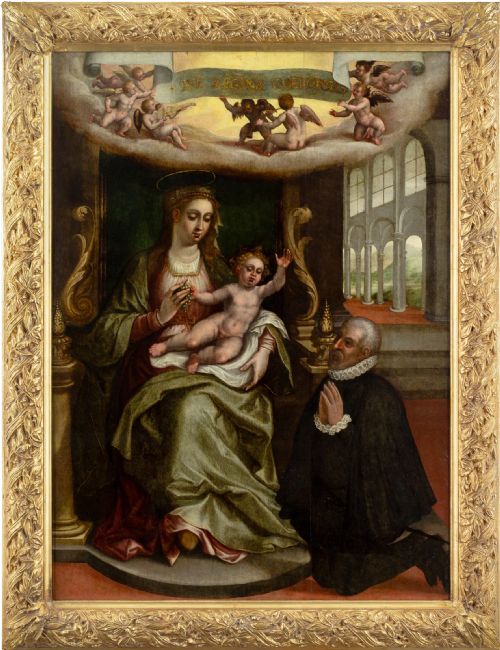
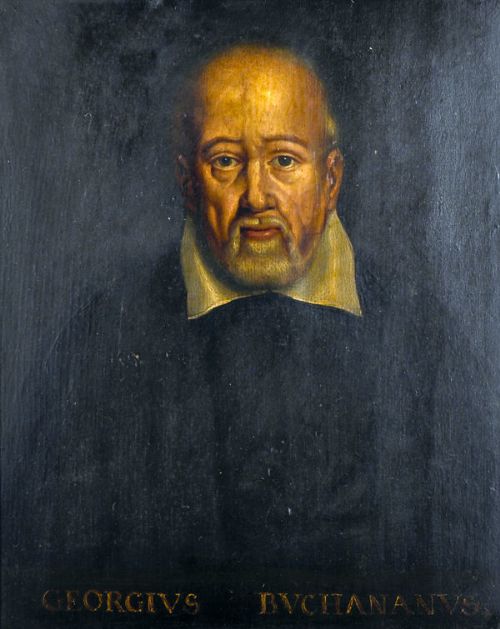
A 16th century portrait depicts noblemen, noblewomen, and religious subjects in oil on canvas, oil on panel, or carved oak panels. These works emerge from Italian, Dutch, German, and English schools, reflecting the distinct aesthetics of the period.
Collectors frequently encounter both genuine period works from European schools and later revival pieces from the twentieth century, such as Tudor Revival paintings and drawings.
Subjects range from Milanese noblemen in armour to English kings and classical madonnas, rendered with striking formality and distinct costume details.
How they were made
Painters of this era applied oil paint to prepared canvas, wooden panels, or paper, building rich surface textures through careful glazing. Giltwood and gold leaf frequently frame these works, adding architectural weight to the composition.
Carved oak panels utilise relief techniques to form wooden portraits, showing crisp chisel work that dates directly to the mid-sixteenth century. Draftsmen also produced fine paper drawings using ink and watercolour techniques.
Listings feature works spanning the Italian Renaissance, Northern Renaissance, Spanish Renaissance, and later twentieth-century Tudor Revival movements.
What varies in quality
The sophistication of facial modelling and the precision of costume rendering separate masterworks from provincial school pieces. Finer paintings display subtle shifts in skin tone and meticulous detailing in lace, ruffs, and armour.
The integrity of the original support, whether oak panel or canvas, influences the overall condition and longevity of the pigment layer. Attribution to specific circles or known masters elevates the historical standing of the piece.
Miguel Barroso·Benvenuto Tisi·Hans Holbein·John Bettes the Elder·Frans Pourbus the Elder·Lambert Sustris·Gortzius Geldorp·Pieter Jansz. Pourbus
The 16th Century Portrait Glossary
- Oil on panel
- A painting technique where pigments bound in oil are applied directly to a prepared wooden board. This surface was standard for many sixteenth-century Northern European works before canvas became dominant.
- Circle of
- A designation used when a painting shows the distinct style and technique of a master's workshop or close associates. It indicates production during the same period under direct stylistic influence.
- Giltwood
- Timber that has been coated with a thin layer of gold leaf or gold paint. Frames utilising this material often complement the formal grandeur of Renaissance canvases.
- Tudor Revival
- An architectural and artistic movement that re-creates the distinct aesthetic of sixteenth-century England. Pieces from this later category often date to the early twentieth century.
- Panel
- A flat piece of timber used as a rigid support for paintings. Oak was commonly utilised for this purpose in Northern Renaissance workshops.
16th Century Portrait: Frequently Asked Questions
How do I identify a genuine sixteenth-century panel?
Examine the reverse of the wooden board for tool marks, natural warping, and signs of age such as oxidation in the grain. Oak panels from this era often display specific adze marks consistent with early carpentry.
Compare the pigment shrinkage and craquelure pattern under magnification to ensure the surface ageing matches centuries of natural drying rather than artificial acceleration.
What is the difference between an oil on canvas and an oil on panel?
Oil on panel involves applying pigment to a rigid wooden board, which was the preferred method for many Northern European Renaissance artists. Canvas offers more flexibility and became increasingly common for larger portrait formats.
Panels tend to survive with a very smooth enamel-like paint application, whereas canvas supports show a distinct textile weave beneath the ground layers.
How should I display a historic portrait safely?
Keep wooden panels and canvas paintings away from direct sunlight, heating vents, and damp environments to prevent warping and flaking. Stable relative humidity is vital for preserving both the wooden support and the delicate oil paint layers.
Mount the artwork securely using appropriate hardware, ensuring that heavy giltwood frames are anchored directly into wall studs rather than plaster.
What does attribution to a school mean?
Attribution to a specific regional school indicates that the artwork was produced by an anonymous hand working within the distinct stylistic traditions of that geographic area. It connects the piece to a wider cultural movement without identifying a single master.
This classification relies on comparable brushwork, subject matter, and costume details found in documented works from that particular time and place.