


Traditional Oil Portraiture
Traditional oil portraiture captures likenesses and eras through pigment on canvas and wood.
Traditional Oil Portraiture
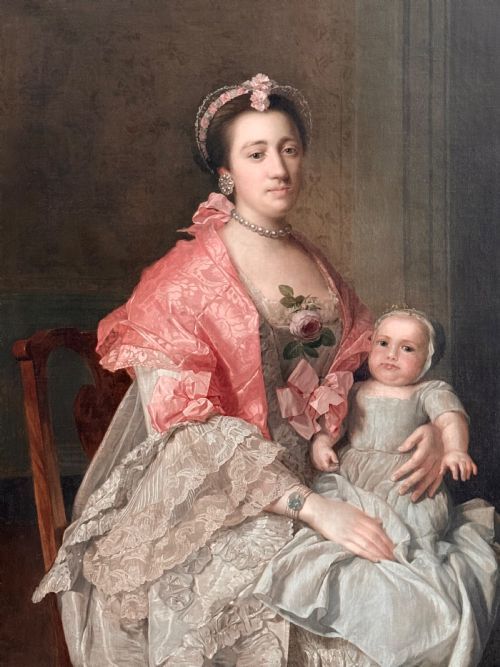
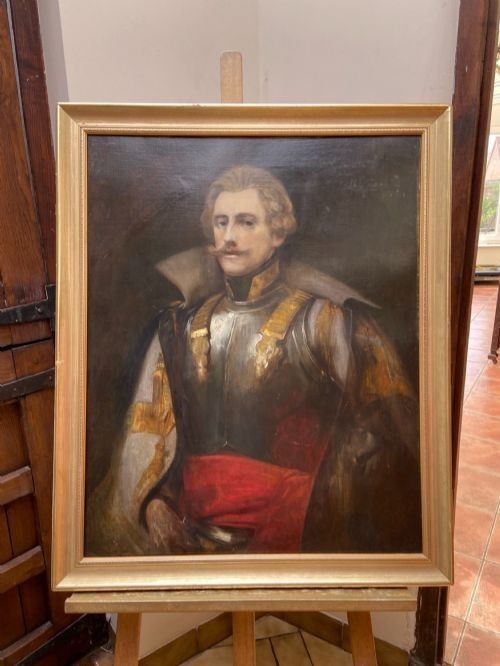
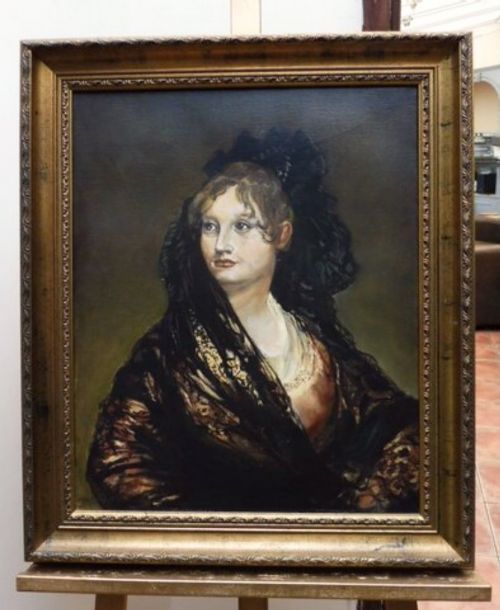
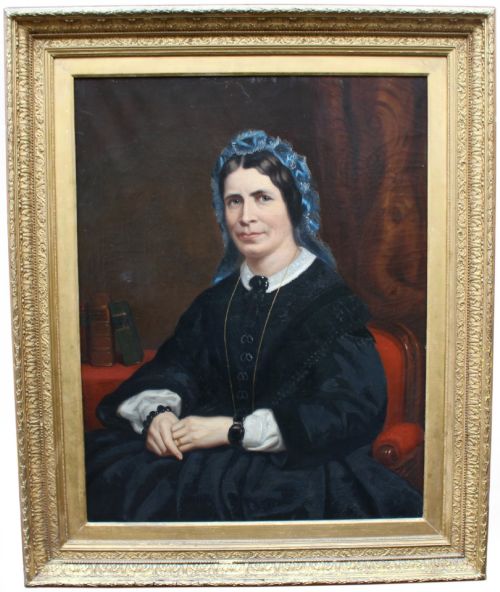
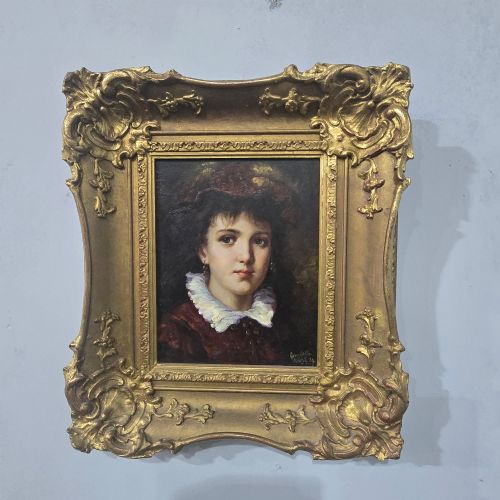
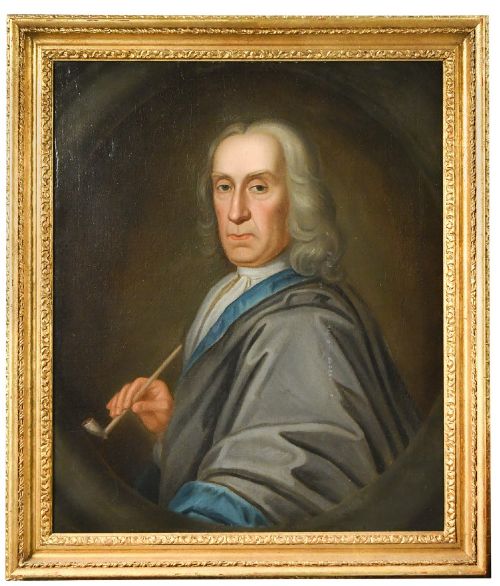
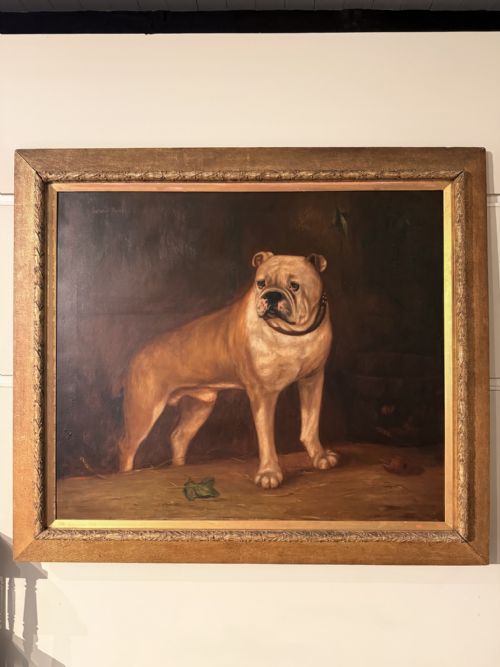
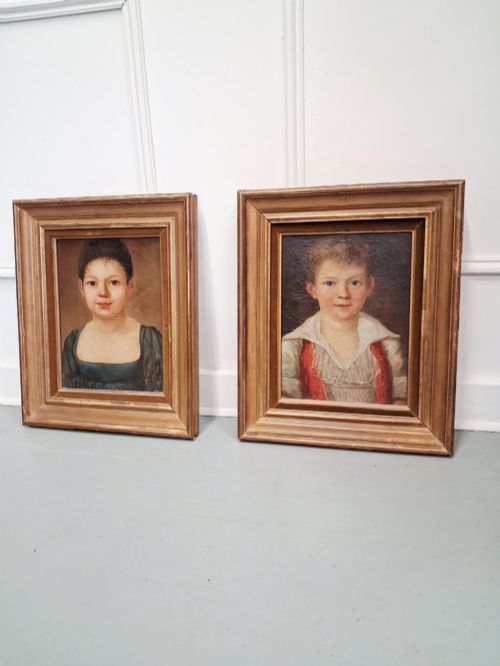
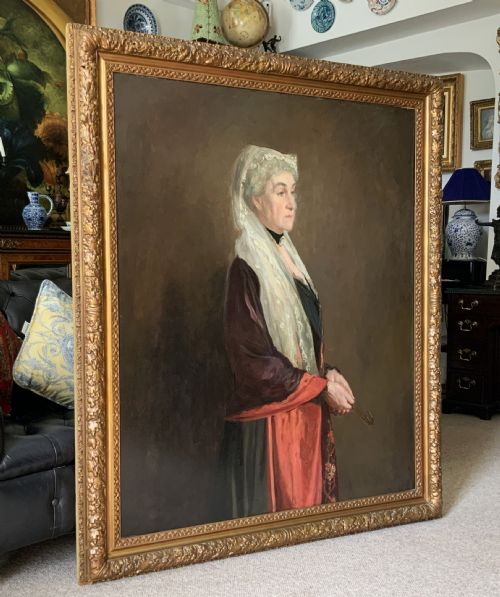
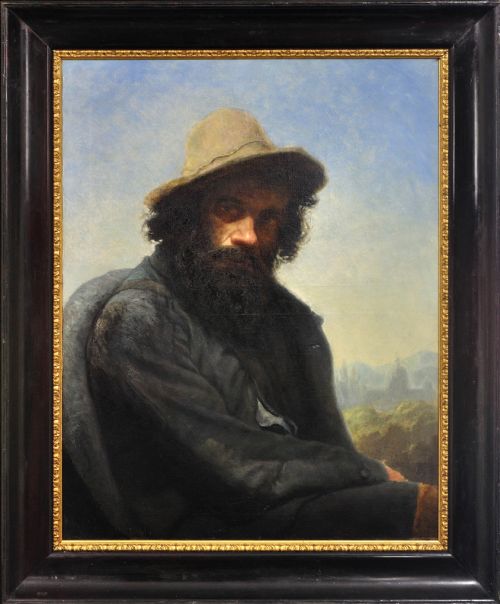
Traditional oil portraiture encompasses works depicting individuals, couples, children and animals across centuries. These portrayals range from formal depictions of nobility and military officers to intimate sketches of family members.
Materials and construction
Paintings rely on oil paint applied to canvas, wood panels or board. Artists built up subjects using layered pigments to achieve depth and texture.
Frames utilise gilt wood, gesso and gold leaf. These surrounds often complement the period of the artwork they enclose.
Listings feature works spanning from the seventeenth century through to the nineteen-sixties, utilising oil paint on canvas, wood and board.
Factors of quality
Quality rests upon the skill of the handling, evident in facial expression, fabric rendering and anatomical proportion. Works by named artists or established schools demonstrate greater finesse in brushwork.
The condition of the canvas and the preservation of the original giltwood frame influence the overall integrity of the piece.
W.R. Waters·Jonny Gaston·Albin Mattenheimer·Thomas Walker Bretland·Edward Lloyd of Ellesmere·John Robert Dicksee·Frank Moss Bennett·Sir Thomas Lawrence·William Oliver·Valentine Thomas Garland·Franz Xaver Winterhalter·John Emms·William Albert Clark·John Gilroy·Henry Scott·Thomas Beach·Rudolph Lehmann·John Partridge
The Traditional Oil Portraiture Glossary
- Oil on Canvas
- Pigment mixed with drying oil applied to a woven fabric support. This combination allowed artists to blend tones smoothly.
- Giltwood
- Wood carved and coated with gold leaf or metallic powder. It provides a reflective, ornate border for historic paintings.
- Gesso
- A plaster-like mixture applied to wood panels or frames as a base for gilding and painting. It creates a smooth surface.
- English School
- A designation for works produced by artists working within Britain during a specific period. It groups creators sharing regional training and stylistic traits.
- Oil on Board
- Pigment applied to a rigid wooden or composition board rather than stretched fabric. This support offers a firm foundation for detailed brushwork.
Traditional Oil Portraiture: Frequently Asked Questions
What subjects appear in these paintings?
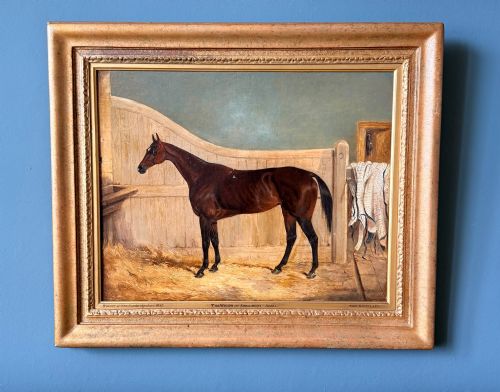
Subjects range from military officers, noblewomen and judges in formal attire to children, domestic animals and sporting horses. Artists also recorded self-portraits and intimate sketches of everyday sitters.
Each depiction reflects the social standing and fashion of its specific period. Animals and personal possessions often provide clues to the sitter's identity or profession.
How do I identify the period of a portrait?
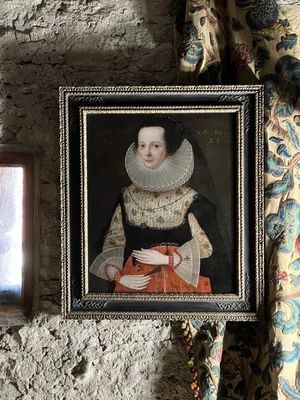
Clothing, hairstyles and framing styles offer primary clues for dating a work. Costumes reflect the specific fashions of centuries ranging from the sixteen-hundreds to the twentieth century.
Inscriptions, signatures or biographical details on the reverse of the canvas or frame also help establish the date. Comparing brush techniques with known school standards refines the timeline.
Where should I hang an oil portrait?
Select a wall away from direct sunlight and excessive moisture to protect the oil paint and canvas. Stable indoor temperatures prevent warping in both the wooden support and the gilt frame.
Positioning the piece at eye level allows viewers to appreciate the fine details of the brushwork. Proper lighting enhances the depth and texture of the layered pigments.