


Dark Tone Portrait
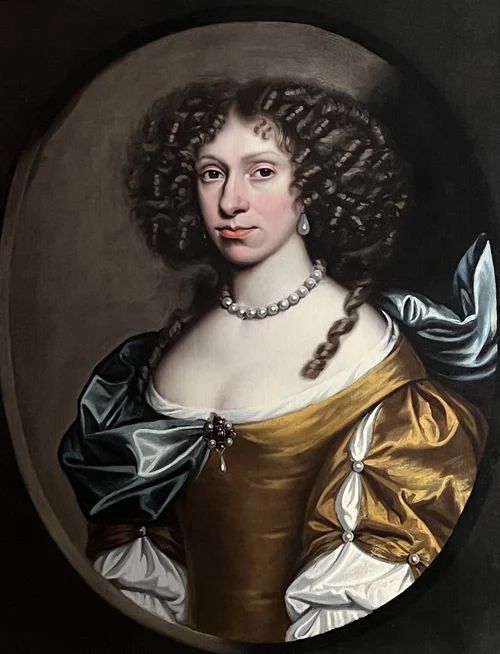
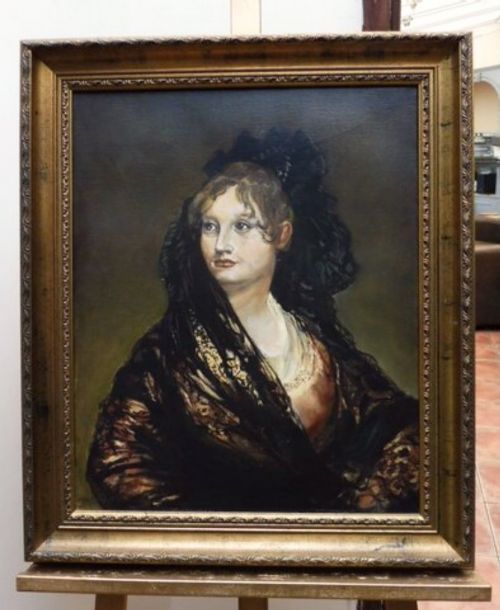
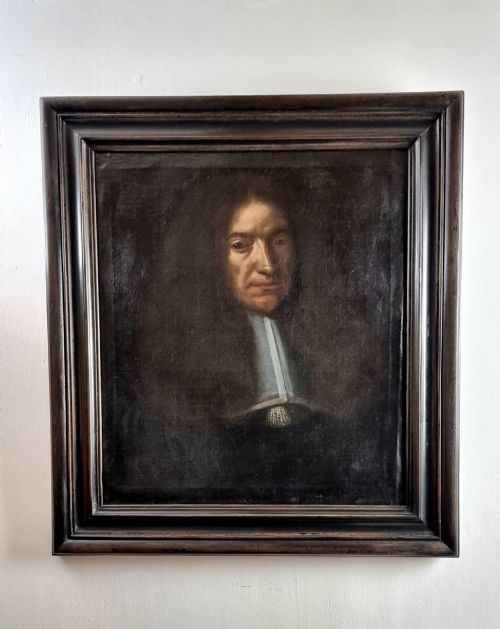
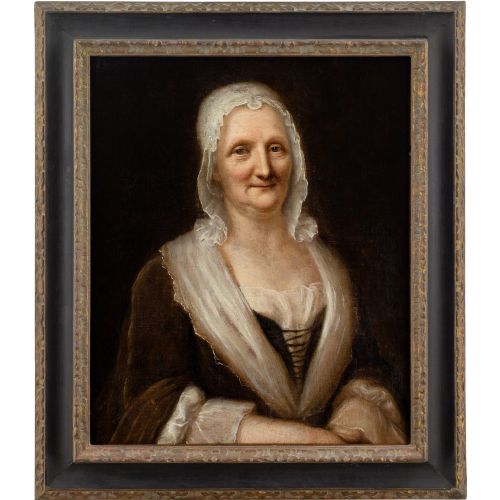
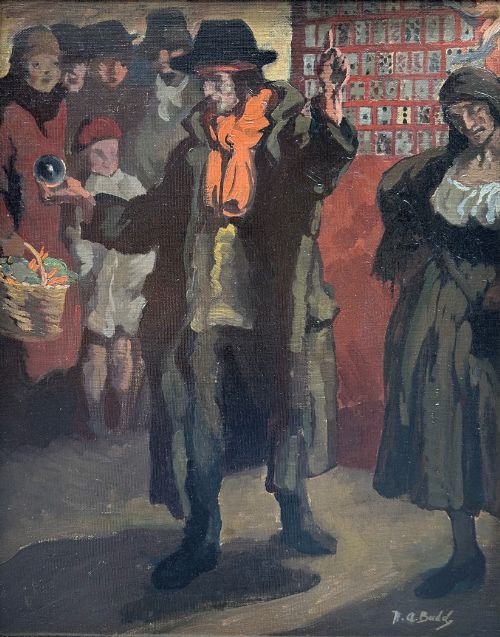
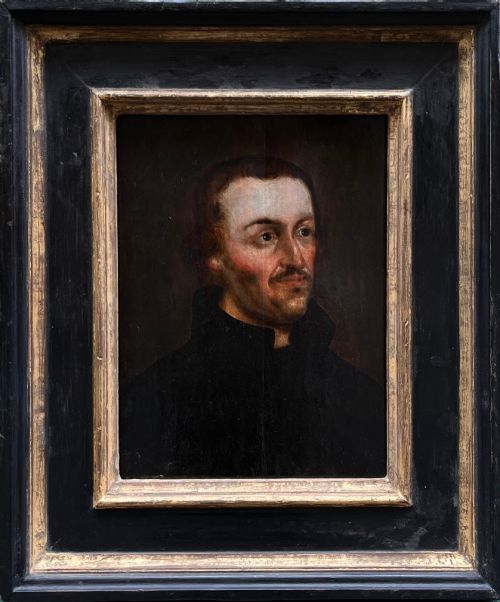
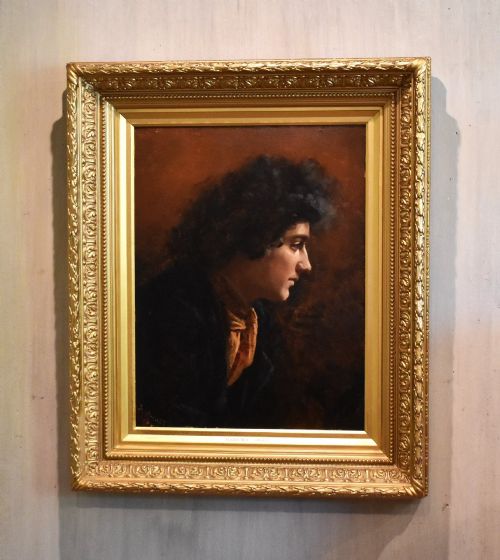
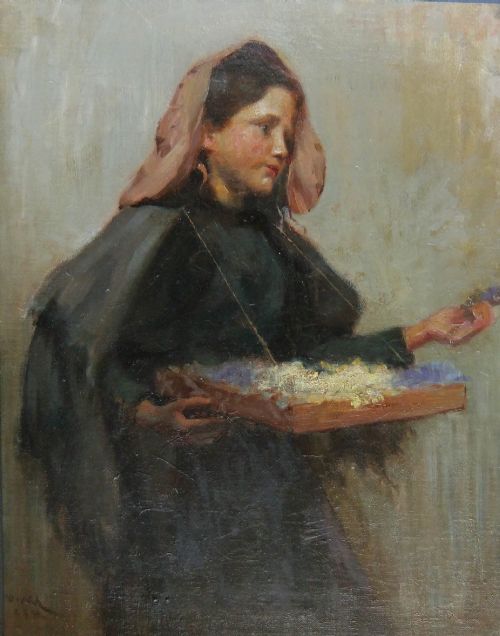
Dark tone portrait works capture subjects through dramatic shadow and solemn expressions, spanning centuries of oil painting and sculpture.
Dark Tone Portrait
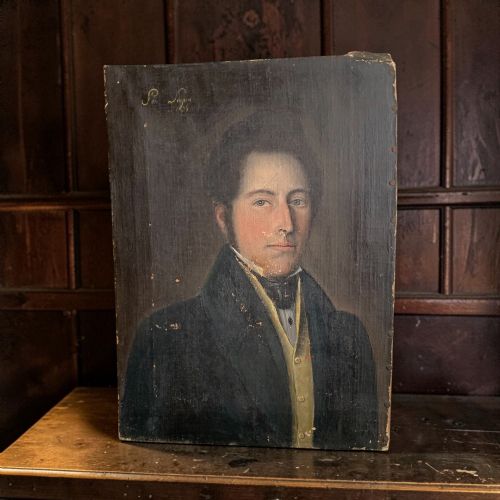
A dark tone portrait presents subjects with deep shadows and restrained colour palettes, often focusing on the sitter's face and hands against a sombre background. You will find these works spanning from the seventeenth century through to the early twentieth century.
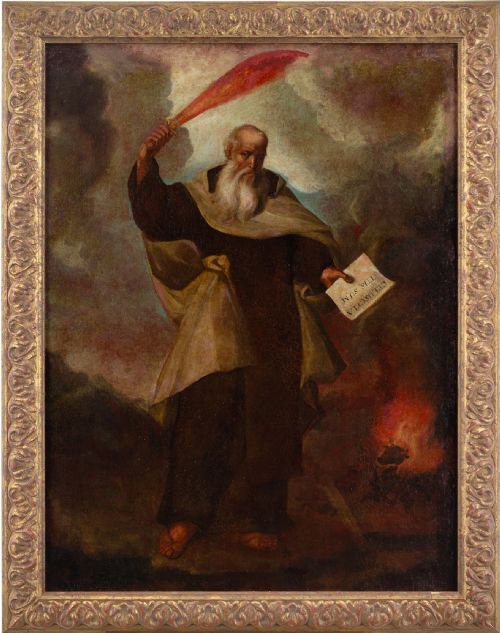
The selections on this page include oil paintings on canvas and wood, alongside portrait busts in materials such as gesso. These pieces originate from British, French, Spanish, and German schools, recording subjects from judges and merchants to anonymous sitters.
Materials and methods
Artists built these images using oil paint applied to prepared canvas, wood panels, or board, layering dark pigments to create depth and shadow. Giltwood frames and gesso structures often complete the physical build of the pieces.
The listings span from the seventeenth century through to the Edwardian period, executed in oil on canvas, wood, and board.
Judging the work
Quality rests in the handling of light and shadow, where finer examples use tonal variation to define character and form rather than relying on flat dark expanses. The ability to render hands, expression, and fabric distinguishes the most accomplished painting.
Condition of the canvas or wood support and the preservation of the original pigment layers dictate the integrity of the piece over time. Original frames, particularly carved giltwood, contribute to the historical completeness of the artwork.
David Scougall·Herbert Ashwin Budd·Florence Small·William Watt Milne·Thomas Beach·Roberto Venturi·Ralph Hedley·John Phillip·John Partridge·George Hayter·Robert Ker Porter·Frank Samuel Eastman
The Dark Tone Portrait Glossary
- Canvas
- A heavy woven fabric used as a surface for oil painting. It is stretched over a wooden frame before pigment is applied.
- Giltwood
- Wood that has been coated with a thin layer of gold leaf or gilt. This material is frequently found on antique picture frames.
- Gesso
- A paint mixture consisting of a neutral binder mixed with chalk, gypsum, or pigment. It prepares surfaces for painting or forms moulded sculptural details.
- Genre painting
- Artwork that depicts aspects of everyday life by portraying ordinary people engaged in common activities. These scenes often share gallery space with formal portraiture.
- Baroque
- An artistic style prevalent in the seventeenth and eighteenth centuries characterised by movement and clear detail. It heavily influences the dramatic lighting seen in dark tone works.
Dark Tone Portrait: Frequently Asked Questions
What is a dark tone portrait?
A dark tone portrait is an artwork that uses deep shadows and muted palettes to depict a subject. This approach emphasises mood and expression through the manipulation of light.
These pieces range from seventeenth-century oil paintings to later Victorian works, capturing sitters with notable solemnity.
How do I care for an oil painting?
Oil paintings require stable environmental conditions away from direct sunlight and extreme temperature fluctuations. Dusting should be done gently with a dry, soft brush.
Avoid using water or chemical cleaners on the canvas surface. Professional conservation is recommended for any structural repairs.
How do I date an antique portrait?
Dating relies on the style of clothing, hair, and framing materials, alongside any signatures or documentary records. Costume history provides reliable clues for narrowing down the decade of production.
Canvas stamps and stretcher construction also offer physical evidence of age.
Where were these portraits painted?
The listings include works from various European traditions, encompassing British, French, Spanish, and German schools. Artists worked within regional academies or travelled to record their subjects.
Materials and framing styles often reflect the geographical origin of the workshop.