


Carved Wood Framed Painting
A carved wood framed painting combines the tactile depth of carved timber with historical portraiture or landscape, offering an authentic period anchor for a room.
Carved Wood Framed Painting
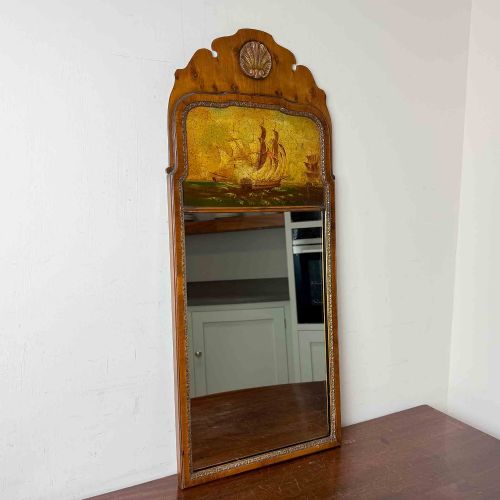
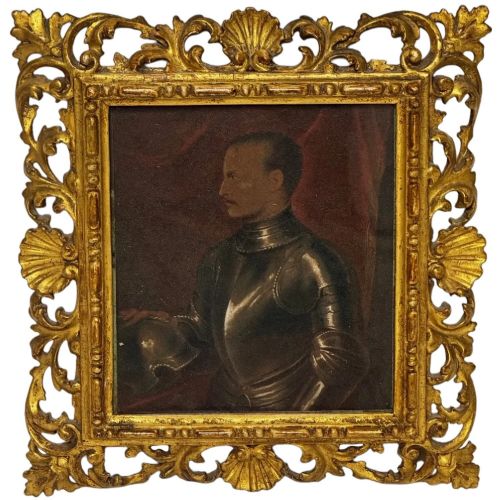
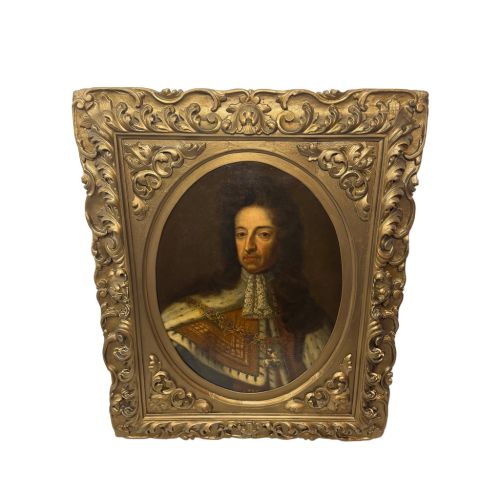
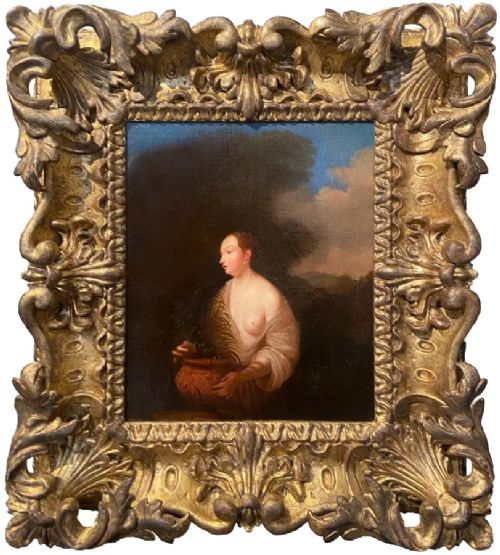
When you search for a carved wood framed painting, you encounter works where the frame and the artwork form a single historical entity. The selection encompasses oil portraits, panel paintings, and canvases enclosed in heavy timber mouldings.
Most examples originate from the seventeenth century through to the early twentieth century, spanning English, French, and Italian schools. You find portraits of royalty and nobility alongside still lifes and maritime scenes.
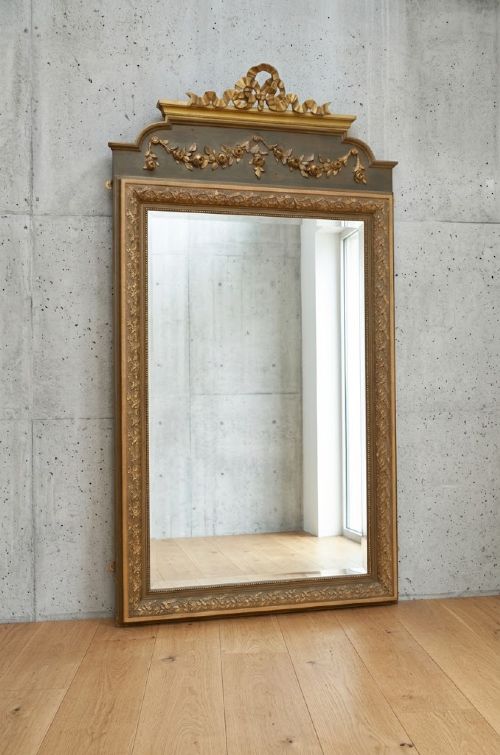
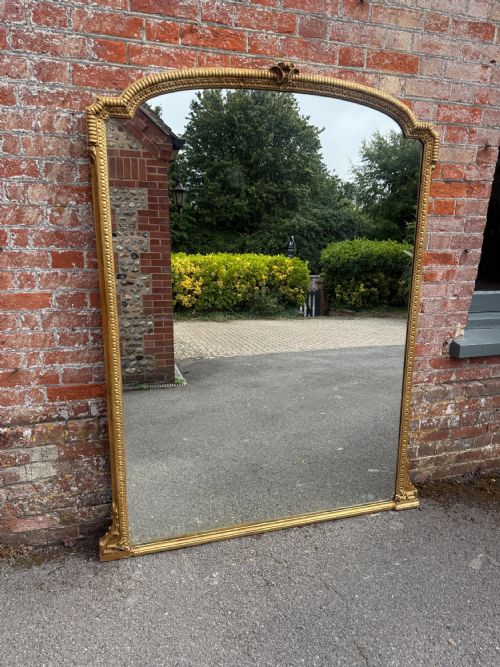
The frames themselves display considerable variety, ranging from rustic carved wood to elaborate giltwood and gesso constructions. Many pieces reflect specific regional revivals, including Queen Anne and Louis XVI styles.
How they were made
Makers utilised solid woods such as pine, yew, and oak, often shaping the timber by hand before applying gesso and paint. Gold leaf and gilding frequently highlight the carved details of the surrounds.
Paintings were executed on canvas, wood panels, or board using oil-based pigments. The frames were constructed with traditional joinery, securing the artwork firmly within moulded or ribbed wooden profiles.
What varies in quality
The standard of carving and the preservation of the original surface finish determine the quality of the piece. Crisp, deeply sculpted wood details distinguish superior frames from simpler, flatter moulding.
The integrity of the relationship between the painting and its frame influences the piece. Original paint, untouched gilding, and period-appropriate mounting elevate the object above later marriages of frame and canvas.
Miles and Edwards·Paul-Élie Gernez·Gabriel Puig Roda·Gian Paolo Pace
The Carved Wood Framed Painting Glossary
- Gesso
- A plaster-like mixture applied to wood frames to create a smooth surface for gilding or painting. It allows intricate relief ornamentation to be carved or moulded before finishing.
- Giltwood
- Timber that has been coated with gold leaf or metallic powder. This finish reflects light and adds considerable visual weight to antique frames.
- Oil on Panel
- A painting executed on a flat piece of wood rather than canvas. This substrate provides a rigid foundation favoured in earlier centuries.
- Trumeau
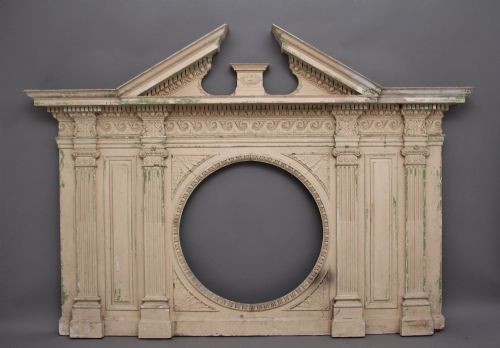
- A decorative wall mirror or painted panel incorporated into wood panelling or wall architecture. Originating in France, these pieces often feature ornate carved crests.
- Provenance
- The documented history of ownership of an artwork or artefact. It establishes authenticity and traces the journey of the piece through time.
Carved Wood Framed Painting: Frequently Asked Questions
Are the frames original to the paintings?
Many pieces retain their original frames, particularly when the framing and artwork share the same period and wear characteristics. In some instances, frames and paintings from the same era were paired together later in their history.
Examining the backboards, fixings, and patina helps determine if the pairing is contemporaneous. Original matches display consistent ageing across both wood and canvas.
How do I care for antique wood and paintings?
Keep these pieces away from direct sunlight, radiators, and damp environments to prevent the wood from warping and the paint from cracking. Dust the carved frame gently with a dry, soft brush.
Avoid using liquid cleaners, polishes, or modern chemicals on either the painted surface or the giltwood. Professional conservators should handle any structural repairs to the canvas or timber.
How do I identify the period of the frame?
The style of the carving, the composition of the gesso, and the type of wood offer clear indicators of date. Baroque and Renaissance Revival pieces feature heavy scrolling and deep relief, while Edwardian examples often show lighter, refined moulding.
Tool marks on the reverse of the wood and the method of assembly also provide clues to the manufacturing era. Comparing the piece to documented examples helps narrow down the decade.
Where should I hang a framed painting?
Select an interior wall with stable temperature and humidity levels, away from strong, direct drafts. Ensure the wall structure can support the combined weight of the solid wood frame and canvas.
Position the artwork at eye level to appreciate the depth of the carving and the detail of the painting. Adequate ambient lighting enhances the giltwood and painted surfaces without generating excess heat.