



Rural Landscape Fine Art
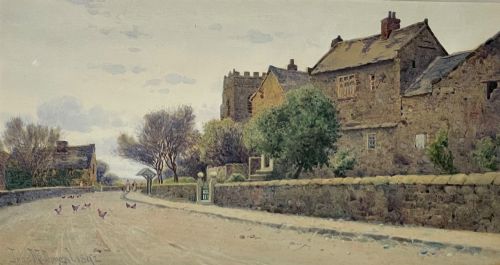
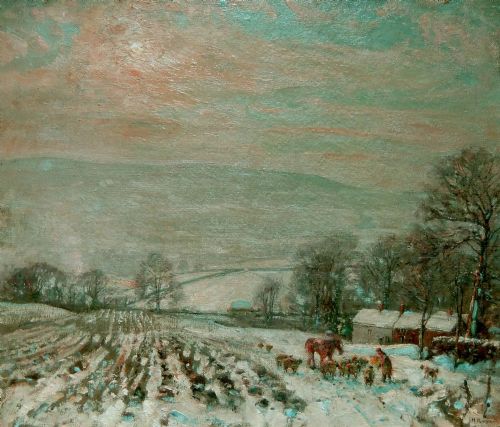
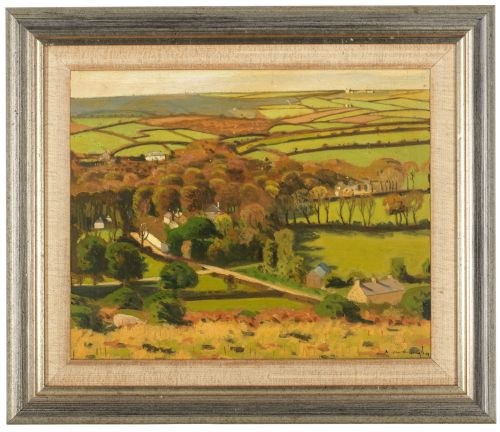
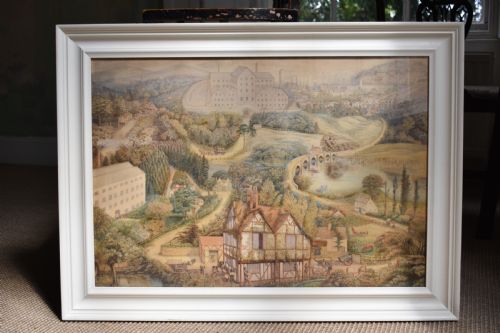
These rural landscape fine art works capture countryside scenes, farmsteads, and riverbanks through the eyes of Victorian, Edwardian, and mid-century painters.
Rural Landscape Fine Art
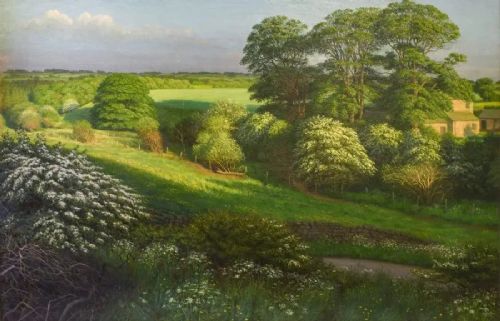
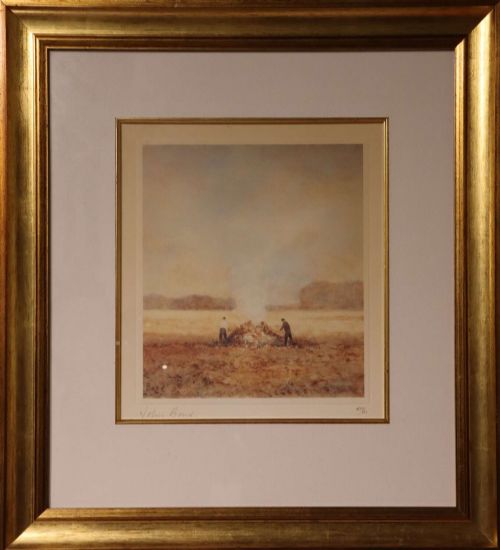
Rural landscape fine art encompasses painted and watercoloured views of the countryside, featuring subjects such as winding paths, agricultural fields, farmsteads, and rivers. When searching for rural landscape fine art, buyers encounter works ranging from Victorian pastoral watercolours to British Impressionist canvases.
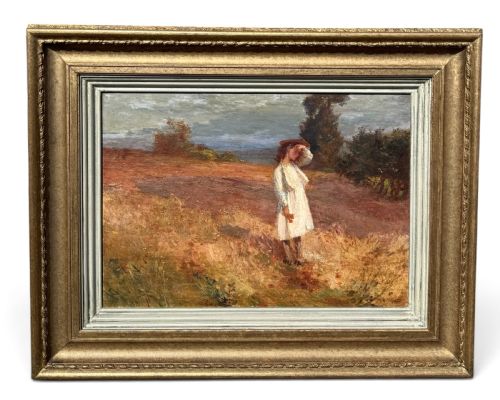
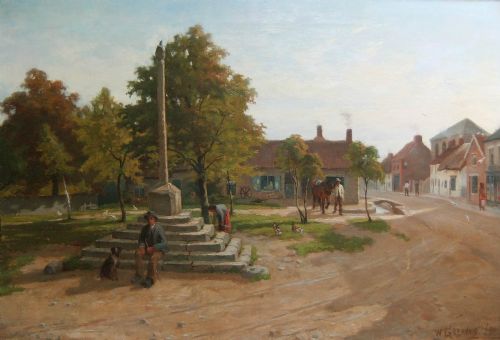
The pieces on this page span the nineteenth century through to the mid-twentieth century, including output from regional British schools and continental European artists. Common motifs involve livestock, shepherds, harvest scenes, and rural workers integrated into natural settings.
Most examples take the form of framed oil paintings or watercolours on paper and canvas, reflecting the shifts in artistic style from traditional realism toward post-impressionist handling over successive decades.
How they were made
Painters of these rural scenes utilised oil paint on stretched canvas or wooden panels, as well as watercolour applied to paper. Oil allowed for rich, layered brushwork that built texture in foliage and skies, whilst watercolour provided fluid transparency for atmospheric country lighting.
Works are typically framed, often in period wood mouldings that complement the palette of the composition. The physical support - whether heavy canvas or delicate paper - determines the permanence and handling of the pigments over time.
Several canvases capture the specific charm of a Romany gypsy caravan resting quietly by a Nottinghamshire lane.
What varies in quality
The distinction between standard decorative output and superior artistic achievement lies in the confidence of the brushwork and the handling of natural light. Stronger works demonstrate a deliberate command of tone and composition that conveys the atmosphere of a specific Yorkshire valley or Cornish lane rather than a generic scene.
Provenance and documentation also separate pieces, with signed works by established regional painters commanding greater attention than unsigned or generic nineteenth-century school productions. The integration of figures and animals into the surrounding landscape requires anatomical and spatial accuracy that distinguishes accomplished hands from lesser contemporaries.
George Graham·John McDougal·Herbert Royle·Robert Morson Hughes·Raymond Booth·John Bond·Umberto Volpato·William Greaves·Edgar Woollatt·Harry Freckleton·Thomas Sidney Cooper·Reginald Grange Brundrit·Johannes Philippus Galjaard·Heinrich Harder·Charles Vickers·Robert Finley McIntyre·Robert Winchester Fraser·James William Booth·James Thomas Linnell·Arthur Winter Shaw·John Henry Dell·Jane Maria Bowkett·George Kilburne·George Turner·B Kaufmann
The Rural Landscape Fine Art Glossary
- Oil paint
- A slow-drying medium consisting of pigments suspended in a drying oil, typically linseed, allowing for thick impasto applications or thin translucent glazes.
- Watercolour
- A painting method in which the paints are made of pigments suspended in a water-soluble vehicle, usually displayed under glass on paper.
- British Impressionism
- A late nineteenth and early twentieth century painting style influenced by French movements, characterised by visible brushstrokes and an emphasis on natural light in outdoor rural settings.
- Pastoral
- A genre of art depicting rural life and landscapes in an idealized or rustic manner, frequently featuring shepherds, cattle, and tranquil agricultural scenes.
- Lithograph
- A printmaking technique based on the immiscibility of oil and water, used to produce multiple impressions of a drawn image.
Rural Landscape Fine Art: Frequently Asked Questions
What periods do these rural paintings cover?
The selections span from the nineteenth century through the Edwardian era and into the mid-twentieth century.
Most items date from the Victorian period up to the nineteen-thirties, showing the evolution of British and European landscape painting.
How should I hang oil paintings at home?
Oil paintings on canvas require stable indoor environments away from direct sunlight and excessive humidity.
Ensure secure wall fixings suited to the weight of the wooden frame and the canvas support.
What subjects appear in these landscapes?
Common subjects include Yorkshire valleys, Cornish coastal views, harvest fields, and rural riverbanks.
Artists frequently integrated figures such as shepherds, cattle, farm workers, and children into the natural scenery.