



Heavy Iron Boot Scraper
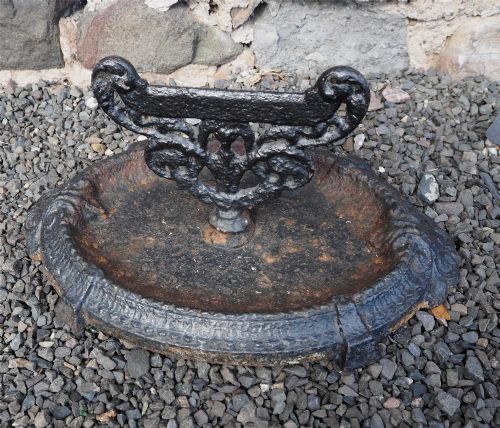
These heavy iron boot scraper examples are robust utility items designed to clear mud from footwear before entering the house.
Heavy Iron Boot Scraper
When you search for a heavy iron boot scraper, you encounter practical entrance accessories originating from Georgian, Regency, and Victorian periods. These functional architectural pieces sit outside doorways to clean mud and dirt from shoes.
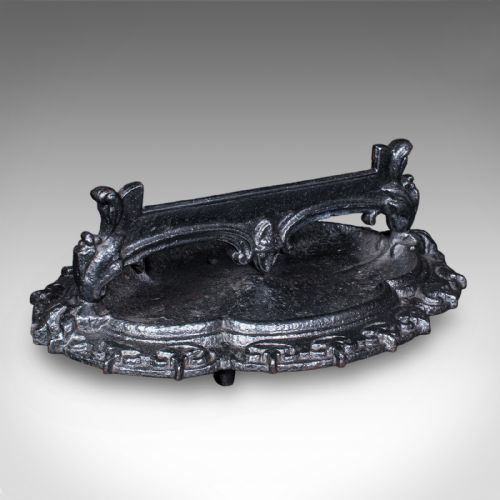
You are most likely to meet cast iron or wrought iron examples on this page, often built with integrated shoe pulls. They range from modest doorway cleaners to large country house and townhouse models.
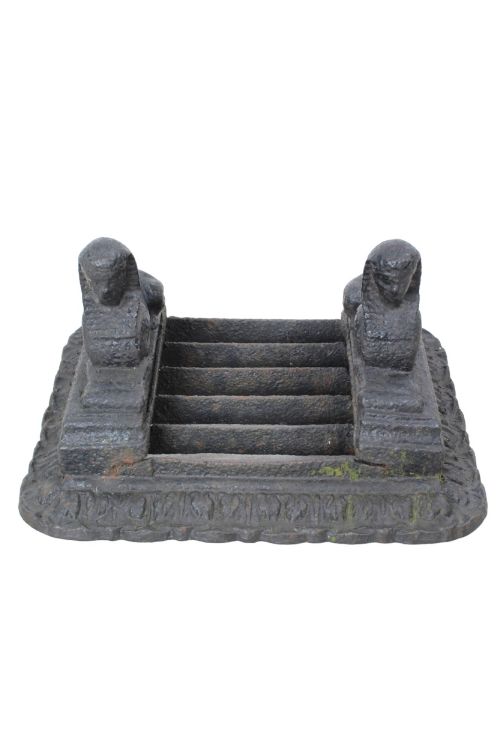
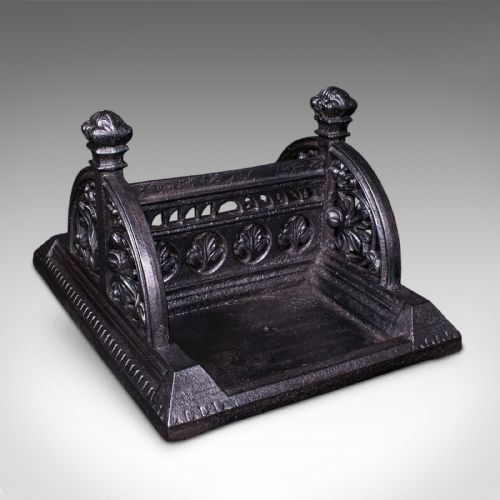
The selection includes specific stylistic movements such as Egyptian Revival and Victorian Gothic Revival. Pieces span the eighteenth, nineteenth, and early twentieth centuries, reflecting the domestic habits of earlier eras.
How they were made
Makers utilised durable cast iron and wrought iron to withstand heavy daily use and harsh outdoor weather conditions. Metal was poured into moulds or hammered by hand into sturdy blades and mounting brackets.
Some robust models incorporated solid stone bases for added stability when fixed near entranceways. These combined materials provided the necessary weight to remain secure while boots scraped against the metal edge.
The listings span multiple periods including Georgian, Regency, and Victorian eras, utilising cast iron, wrought iron, and stone.
What varies in quality
Finer heavy iron boot scraper items display crisper casting detail and more ambitious stylistic ornamentation, such as the decorative motifs found on Coalbrookdale foundry work. Simpler utilitarian versions prioritise basic strength over decorative flourish.
Proportion and scale distinguish standard domestic models from large country house or London townhouse iterations. Superior examples integrate functional shoe pulls seamlessly into substantial architectural frames.
Coalbrookdale
The Heavy Iron Boot Scraper Glossary
- Boot scraper
- A metal blade fixed near a doorway for removing mud from the soles of footwear. This primary element forms the core of every piece listed.
- Shoe pull
- An auxiliary loop or handle attached to the frame to help steady the foot while pulling off muddy boots. It provides an extra functional detail on many townhouse models.
- Coalbrookdale
- A famous ironworks location known for producing high-quality decorative cast iron items during the nineteenth century. Pieces bearing this association exhibit superior foundry craftsmanship.
- Egyptian Revival
- An architectural and decorative style inspired by ancient Egyptian motifs, popular during the nineteenth century. Items from this movement feature distinct exotic ornamentation.
Heavy Iron Boot Scraper: Frequently Asked Questions
Where were heavy iron boot scrapers placed?
These items were positioned directly outside exterior doorways on stone steps or pathways. Their placement allowed visitors and residents to clean footwear before stepping inside the house.
Many townhouses and country estates fixed them permanently near the main entrance or side utility doors for daily convenience.
How do I tell Georgian from Victorian pieces?
Georgian examples often display simpler, restrained lines typical of eighteenth-century domestic ironwork. They generally focus on utilitarian function with modest proportions.
Victorian models frequently incorporate heavier ornamentation, revival styles like Gothic or Egyptian motifs, and more elaborate casting patterns.
What is a shoe pull used for?
The shoe pull helps individuals steady themselves while sliding footwear off after walking through muddy conditions. It acts as an integrated handle built into the scraper frame.
This feature is commonly found on larger townhouse and country house variations designed for intensive daily use.
How do I care for cast iron outdoors?
Cast iron handles outdoor environments well when protected with suitable exterior metal coatings or traditional paints. Regular maintenance prevents surface oxidation from accumulating on the metal.
Keeping the base clear of accumulated dirt also helps preserve the iron structure through changing weather seasons.