





Cast Iron Mud Scraper
A cast iron mud scraper is a sturdy doorway essential designed to clear heavy soil from footwear before entering the house.
Cast Iron Mud Scraper
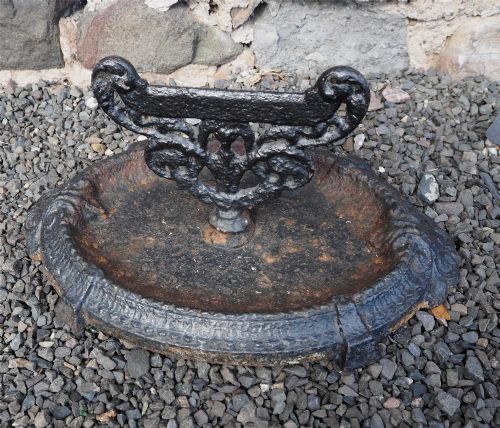
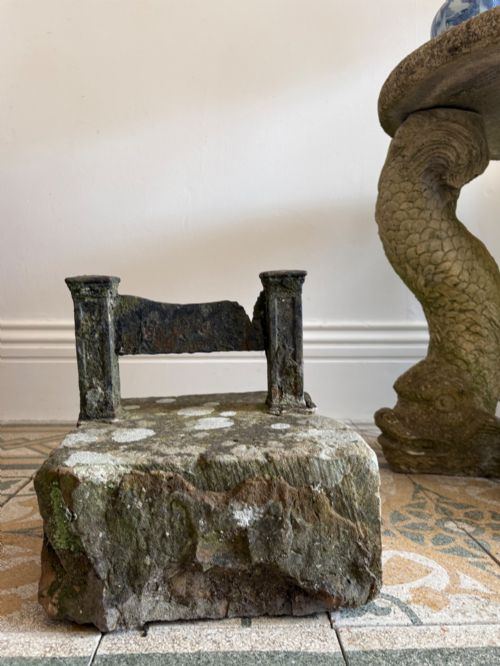
When you search for a cast iron mud scraper, you encounter practical entrance fixtures built to remove heavy earth and dirt from boots before crossing a threshold. The pieces seen here span the Georgian and Victorian periods, alongside later nineteenth century examples.
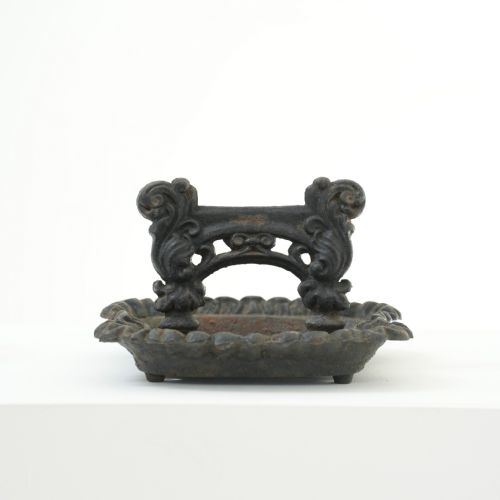
Most items combine a heavy metal blade with a secure mounting base, sometimes incorporating integrated shoe pulls for removing tall boots. You find them in various formats, from simple town house designs to more elaborate country house and Gothic revival iterations.
Materials and construction
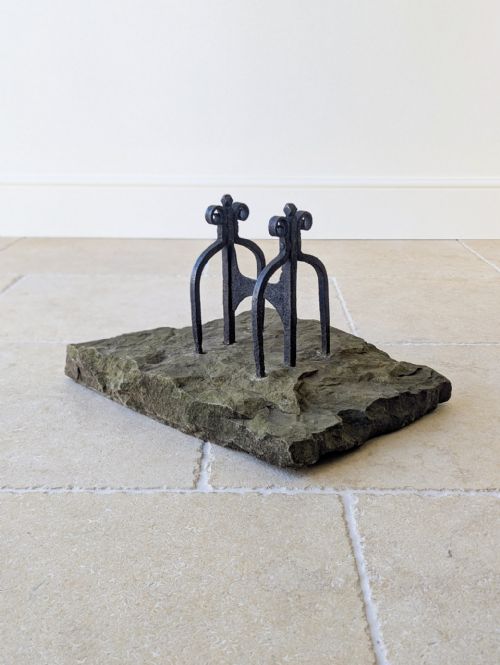
Makers utilised durable cast iron for the scraper blades and frames, often pairing the metalwork with solid stone blocks or Yorkstone bases to anchor the object firmly outside a doorway. Wrought iron also appears in specific framework elements, offering alternative structural rigidity alongside the cast components.
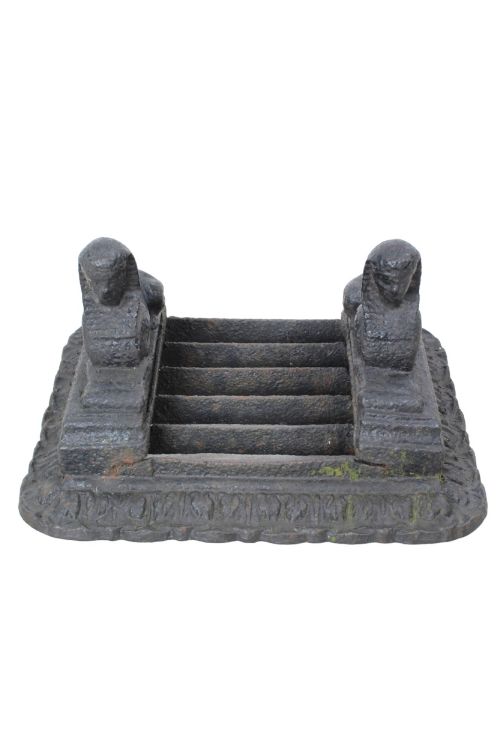
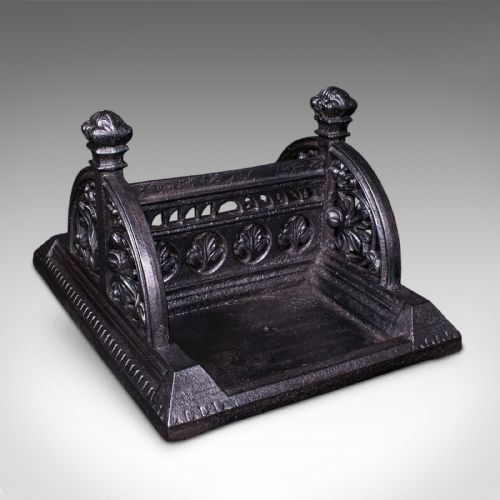
Foundries cast the iron components into utilitarian or decorative shapes, sometimes incorporating architectural motifs such as Egyptian revival or Gothic revival styling. These methods produced heavy, weather-resistant fixtures capable of withstanding constant outdoor use.
Cast Iron Mud Scraper Retail Price Guide 2026
Typical asking prices for cast iron mud scraper among the pieces listed under this phrase on Sellingantiques today, from the lower quarter to the upper quarter. They describe what is for sale here now, not the wider market.
Design styles span standard domestic utility forms alongside Egyptian revival, Gothic revival, and regional townhouse variations.
Factors influencing quality
The distinction between standard utility items and finer examples lies in the complexity of the casting and the presence of architectural styling. Pieces featuring integrated shoe pulls, sculptural elements like lions, or substantial stone mounting blocks demonstrate greater ambition than plain domestic variants.
Originality of the pairing between metal and stone significantly affects the character of an object. Examples retaining their original hewn stone bases or specialised foundry marks command greater interest from collectors seeking authentic domestic hardware.
Coalbrookdale
The Cast Iron Mud Scraper Glossary
- Cast iron
- A strong, hard alloy of iron and carbon poured into moulds to create rigid forms. It serves as the primary material for the scraper blades and frames in these listings.
- Wrought iron
- Tough, malleable iron beaten into shape rather than cast. It appears in specific structural supports and handles alongside the main iron castings.
- Yorkstone
- A tough sandstone quarried in Yorkshire, frequently used as a heavy mounting block to hold entrance scrapers steady. It provides a stable base for the metal blade.
- Shoe pull
- An upright metal loop or hook attached to the scraper assembly. It assists the user in pulling off mud-caked boots.
- Gothic revival
- An architectural and decorative style drawing inspiration from medieval forms. It influences the pointed arches and ornamental details seen on certain nineteenth century scrapers.
Cast Iron Mud Scraper: Frequently Asked Questions
Where were mud scrapers originally placed?
These items were positioned immediately outside front doorways, porches, and carriage entrances of townhouses and country estates. They stood ready for visitors and residents to clear heavy soil from their footwear before stepping inside.
Property owners anchored them firmly beside the threshold, either mounted into exterior stone steps or secured within heavy foundation blocks. This placement ensured daily practicality for households navigating muddy nineteenth century streets.
How do I distinguish Georgian from Victorian scrapers?
Georgian examples often display restrained, classical proportions or simpler utility forms typical of the eighteenth century. They frequently feature hand-wrought elements alongside early cast iron components.
Victorian pieces tend to incorporate heavier industrial casting techniques, occasionally featuring elaborate decorative styles like Gothic revival or Egyptian revival. The complexity of the ironwork and the mounting style help indicate the period.
What is the purpose of the attached loop?
The vertical loop serves as a boot pull, designed to help users leverage their feet when removing tight footwear. It allowed individuals to steady themselves while sliding muddy boots off their heels.
This integrated feature saved homeowners from tracking debris indoors by combining shoe removal and soil scraping into a single doorway fixture.
Can these scrapers be used outdoors today?
Cast iron and stone construction makes these objects naturally weather-resistant and well-suited for outdoor placement near modern entryways. They function outdoors just as they did historically, clearing footwear before guests enter.
Routine placement on exterior stone or gravel surfaces ensures the iron and stone components remain stable and functional in contemporary gardens or porchways.