


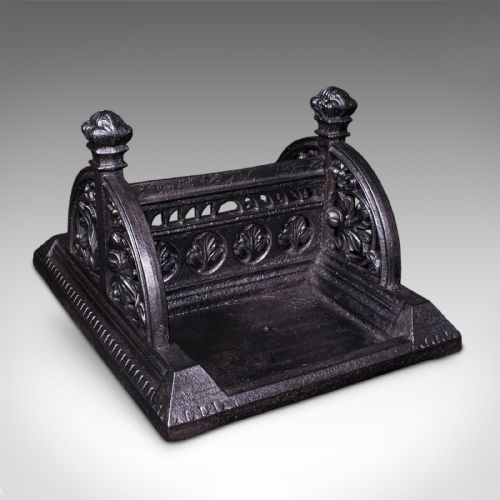


Black Iron Boot Scraper
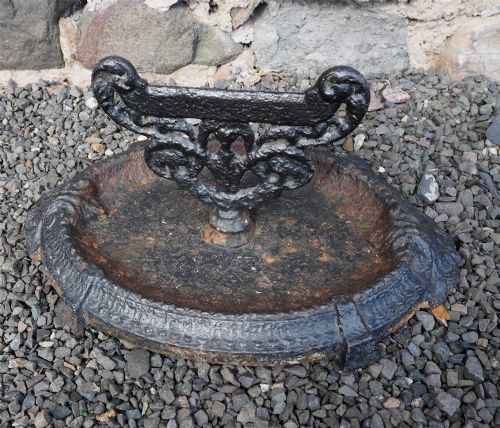
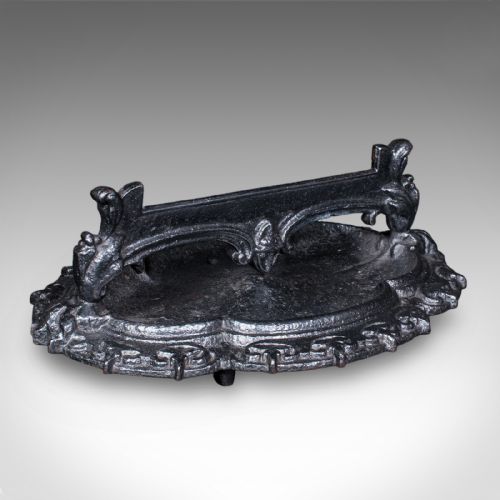
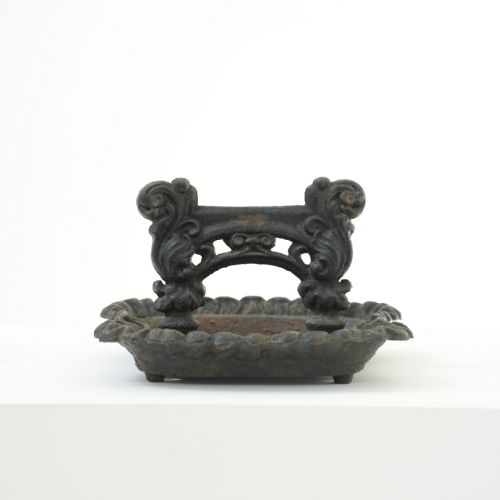
These black iron boot scraper pieces are heavy entrance furniture designed to clear heavy mud from footwear before crossing a threshold.
Black Iron Boot Scraper
A black iron boot scraper is a robust threshold furnishing designed for practical mud removal at the entrance of a home. The pieces found here span the Georgian, Victorian, and late nineteenth-century periods, taking forms from simple domestic scrapers to substantial townhouse fixtures.
Most examples combine a central scraping blade with integrated shoe pulls, allowing a visitor to steady themselves while cleaning their footwear. Originating as functional architectural ironmongery, these items now serve both exterior entrance duty and decorative garden placement.
How they were made
Every piece on this page relies on cast iron, poured into moulds to create rigid blades, structural frames, and decorative mounts. This heavy metal technique allows for both plain utilitarian forms and ornate stylistic flourishes.
Foundry work from the Georgian and Victorian eras yields solid, durable objects capable of withstanding constant exterior use without losing their structural integrity.
Black Iron Boot Scraper Retail Price Guide 2026
Typical asking prices for black iron boot scraper among the pieces listed under this phrase on Sellingantiques today, from the lower quarter to the upper quarter. They describe what is for sale here now, not the wider market.
What varies in quality
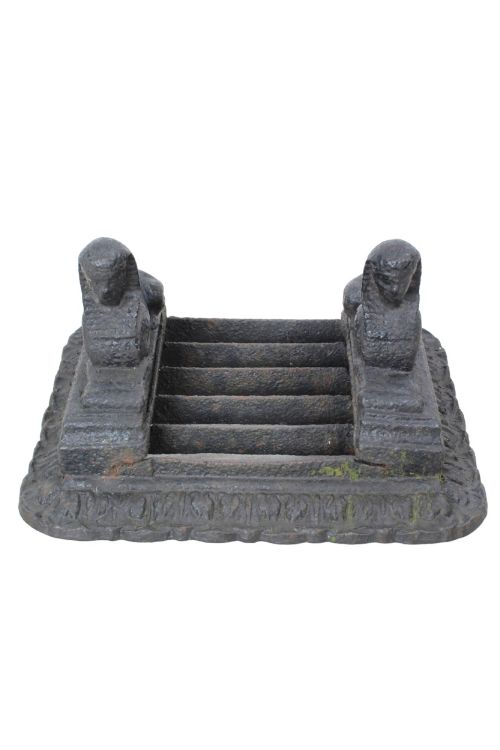
The distinction between a standard utility scraper and a superior example lies in the ambition of the design and the crispness of the casting. Elaborate stylistic programmes, such as Gothic Revival or Egyptian Revival motifs, separate standard domestic ironwork from exceptional architectural pieces.
Scale and proportion also define the range, moving from modest single-doorway scrapers to large townhouse installations and paired country house examples.
The Black Iron Boot Scraper Glossary
- Cast iron
- A strong, heavy alloy poured into moulds to form rigid shapes. It provides the essential weight and durability required for exterior entrance hardware.
- Shoe pull
- An integrated handle or loop designed to help steady a person while scraping mud from a boot. This feature often mirrors the architectural style of the main body.
- Gothic Revival
- A nineteenth-century design movement drawing inspiration from medieval architecture. Pieces in this style often incorporate pointed arches and structural tracery.
- Egyptian Revival
- A decorative style inspired by ancient Egyptian motifs, appearing on late nineteenth-century ironwork. It introduces distinct geometric and symbolic relief patterns.
Black Iron Boot Scraper: Frequently Asked Questions
Where were boot scrapers placed?
These items sit directly outside an entrance door, secured to masonry, stone steps, or dedicated mounting blocks. They are positioned where visitors naturally pause before stepping inside.
Historically, homeowners placed them beside every major townhouse and country house threshold to protect interior carpets from street dirt.
How do I secure an iron scraper?
Most pieces feature integral mounting flanges or bolt holes designed to anchor the heavy iron directly into stone or brickwork. Professional installation ensures the scraper remains entirely stable under heavy downward pressure.
For garden placement, a secure paved base provides the necessary stability for daily use.
Are these pieces suitable for outdoor use?
Cast iron is naturally robust and well-suited to exterior conditions throughout the year. Regular maintenance prevents surface oxidation and preserves the dark finish.
Applying a protective wax or specialised iron coating helps guard against weathering in exposed coastal or damp locations.
How do I distinguish Victorian from Georgian examples?
Georgian pieces often display simpler, restrained architectural lines reflecting earlier eighteenth-century building practices. Victorian and later nineteenth-century examples frequently introduce revival styles like Gothic or Egyptian motifs.
Examining the weight, casting texture, and bolt fixings helps confirm the period of manufacture.