



Antique Door Scraper
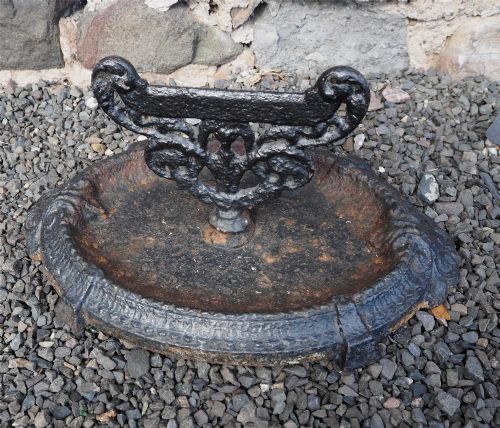
These antique door scraper examples bring heavy ironwork and solid stone to an entranceway, clearing heavy mud before visitors cross the threshold.
Antique Door Scraper
An antique door scraper sits beside a doorway or porch to clean mud and dirt from footwear before entering a house. The search phrase covers domestic foot scrapers spanning the Georgian, Regency, and Victorian periods.
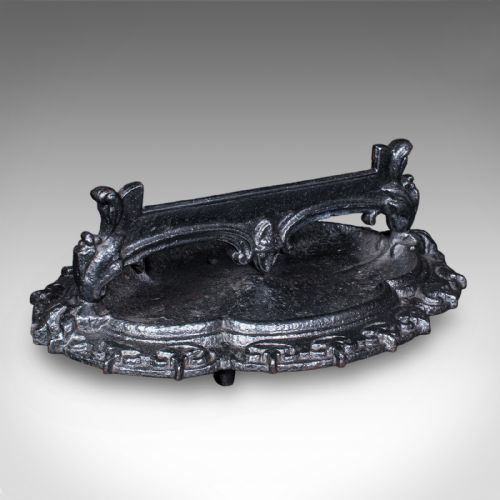
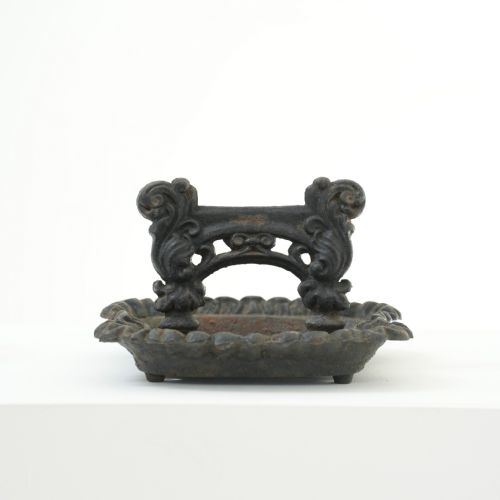
Most pieces seen here take the form of cast iron blades or frames. Buyers frequently encounter simple town house designs alongside larger country house examples.
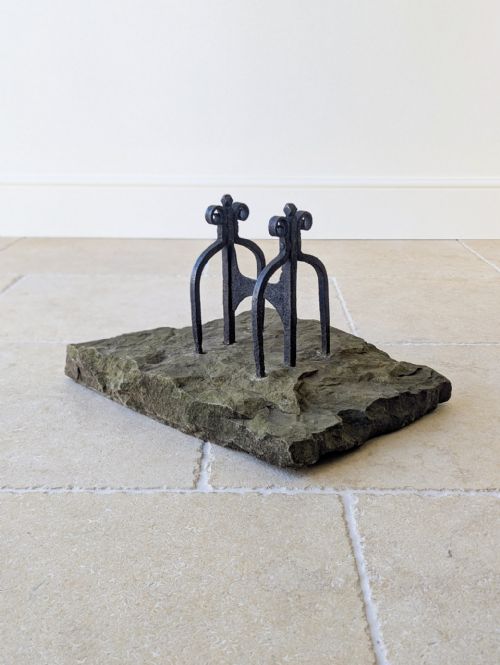
Early specimens often combine ironwork with stone blocks or Yorkstone. These functional items served English entrances from country retreats to urban terraces.
Materials and construction
Foundries shaped the metal using traditional cast iron and wrought iron techniques. Molten metal poured into moulds produced sturdy scraper blades and ornate framing.
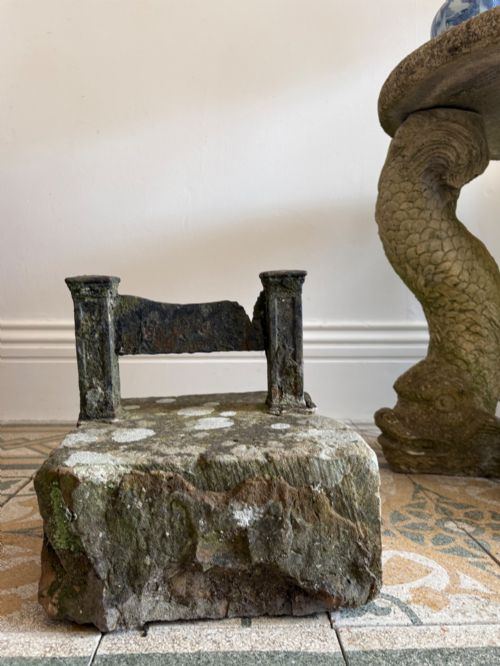
Many heavy examples feature iron inserts secured directly into hewn stone or Yorkstone blocks. This combination provided the necessary weight to keep the scraper steady during use.
Listings feature items built from cast iron, wrought iron, and Yorkstone across Georgian and Victorian eras.
Judging quality in ironwork
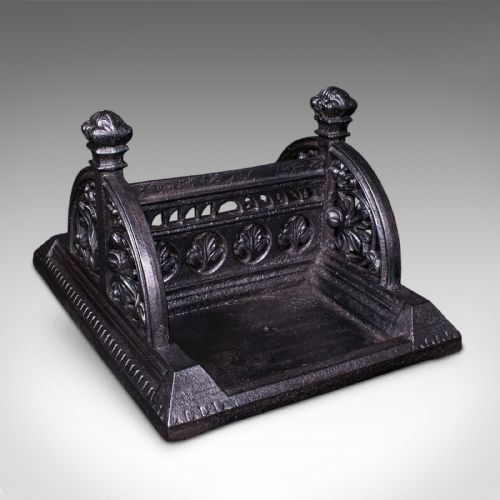
Quality rests upon the crispness of the casting and the thickness of the metal. Finer examples display clean lines and decorative Gothic Revival or Regency detailing rather than plain utility.
The integration between the metal blade and the stone base dictates the structural integrity. Heavier stones and secure mountings separate substantial country house pieces from lighter urban variants.
Coalbrookdale
The Antique Door Scraper Glossary
- Cast iron
- Molten iron poured into a mould to create rigid architectural metalwork. This material forms the primary blade and frame of most examples.
- Wrought iron
- Iron beaten and worked by hand while hot to form durable metal components. It appears frequently on early pieces.
- Yorkstone
- A tough British sandstone traditionally used for paving and heavy building foundations. Scrapers are often inset directly into blocks of this stone.
- Gothic Revival
- An architectural and decorative style drawing on medieval forms. This aesthetic influences the pointed arches and ornament seen on certain Victorian pieces.
Antique Door Scraper: Frequently Asked Questions
Where were door scrapers placed?
These pieces sat immediately outside the main entrance or on the doorstep of a house. Porches and narrow urban entryways both accommodated them.
Their location ensured visitors cleaned their shoes before stepping onto interior carpets or floorboards.
How do I date a scraper?
Georgian and Regency pieces tend to show simpler wrought iron or early cast iron forms paired with stone. Victorian examples often introduce heavier cast iron frames and Gothic Revival ornamentation.
Looking at the weight, mounting style, and decorative motifs helps distinguish earlier country house ironwork from late nineteenth-century foundry production.
Can I use an antique scraper outside?
These robust iron and stone objects were designed specifically for outdoor service against the elements. Placing them by a modern doorway works entirely as intended.
Regular cleaning prevents debris buildup in the corners of the iron blade.
What is a shoe pull?
Certain designs incorporate an integrated loop or hook alongside the scraping blade. This feature helped residents pull off tall riding boots or muddy footwear.
It adds a practical domestic element found on town house and country estate entrances.