




Vintage Mud Scraper
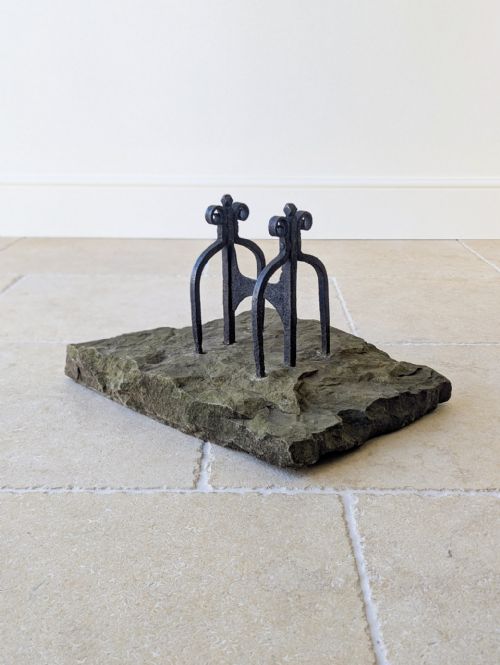
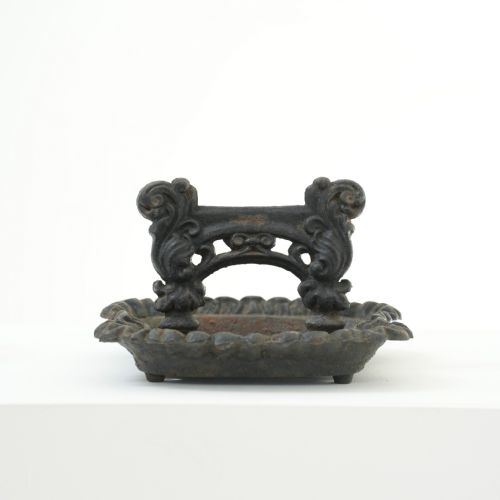
These vintage mud scraper pieces are solid iron and stone foot-cleaners for clearing footwear before stepping indoors.
Vintage Mud Scraper
A vintage mud scraper stands by a doorway to strip heavy soil and manure from boots before entering the house. Most examples seen here date from the Georgian and Victorian periods, reflecting a time when paved streets were less common.
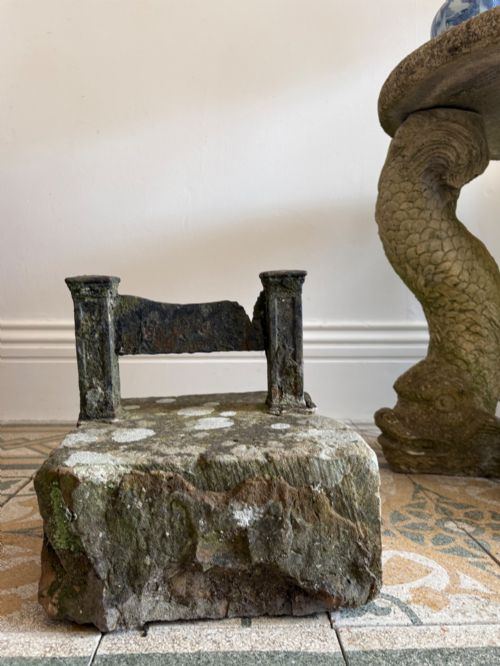
The form typically pairs a heavy metal blade with a solid stone block or a direct fixing for stability. Country house and townhouse variations appear frequently across these listings.
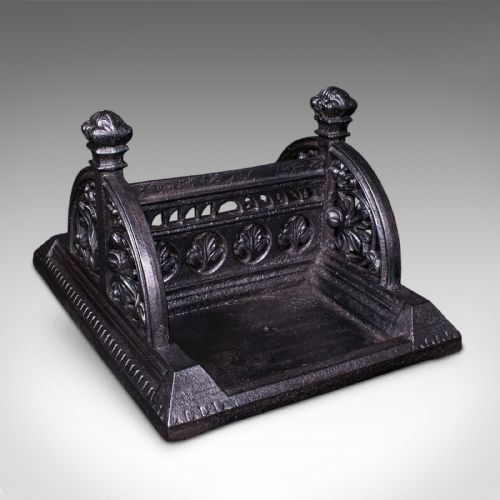
Makers ranged from utilitarian ironfounders to skilled blacksmiths who fashioned both simple courtyard blades and elaborate architectural fittings. Gothic Revival influences occasionally shape the ironwork on mid-nineteenth-century examples.
Materials and construction
Cast iron and wrought iron provide the durable blades that endure daily boot scraping without bending. These metals combine with substantial stone bases like Yorkstone to anchor the scraper firmly against the ground.
Foundries cast the iron components into rigid frames, sometimes incorporating shoe pulls or decorative Gothic arches into the design. Stonemasons hewed the accompanying blocks by hand to securely inset the metal blade.
Vintage Mud Scraper Retail Price Guide 2026
Typical asking prices for vintage mud scraper among the pieces listed under this phrase on Sellingantiques today, from the lower quarter to the upper quarter. They describe what is for sale here now, not the wider market.
Judging quality in iron and stone
Quality rests in the weight of the stone base and the crispness of the iron casting. Thicker iron blades show less wear from generations of boot scraping, while well-hewn stone blocks offer superior stability.
Design complexity also separates standard utility pieces from grander architectural examples. Integrated shoe pulls and Gothic Revival detailing indicate a higher grade of craftsmanship commissioning.
Coalbrookdale
The Vintage Mud Scraper Glossary
- Boot scraper
- A metal blade fixed near an entrance for cleaning mud and dirt from footwear. They are usually mounted in stone or brickwork.
- Shoe pull
- A vertical loop or hook attached to a scraper frame. It helps steady the foot while scraping.
- Yorkstone
- A tough sandstone quarried in Yorkshire. It provides a durable mounting block for heavy ironwork.
- Gothic Revival
- An architectural style reviving medieval forms. It appears in pointed arches and decorative iron tracery on nineteenth-century pieces.
Vintage Mud Scraper: Frequently Asked Questions
How were mud scrapers used?
People scraped the soles and sides of their boots against the iron blade before entering the house. This kept thick mud and dirt outside.
Some designs included integrated loops to steady the boot during scraping.
Where should I place one?
They sit naturally beside an exterior doorway or porch where muddy footwear arrives. Placing one on a solid outdoor surface ensures stability.
Many modern owners keep them by garden gates or boot rooms.
How do I date a scraper?
Dating relies on material clues, cast marks, and stylistic details like Gothic Revival motifs. Georgian pieces often feature hand-forged wrought iron.
Victorian examples frequently showcase standardised cast iron production from major foundries.
Are they all cast iron?
Not all examples use cast iron alone. Many combine an iron blade with a hewn stone block or Yorkstone base.
Some earlier pieces use hand-wrought iron instead of cast metal.