





Antique Shoe Scraper
These antique shoe scraper pieces stand ready outside doorways, offering sturdy metal utility to clear mud from footwear.
Antique Shoe Scraper
When you search for an antique shoe scraper, you encounter robust threshold implements designed to rid footwear of mud and dirt before entering a building. These practical metal pieces belong to residential entrances, where they serve a domestic cleansing function.
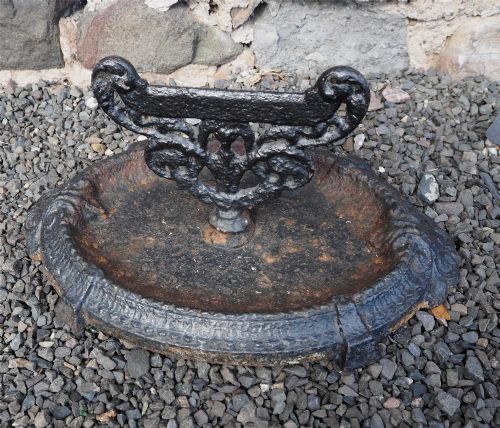
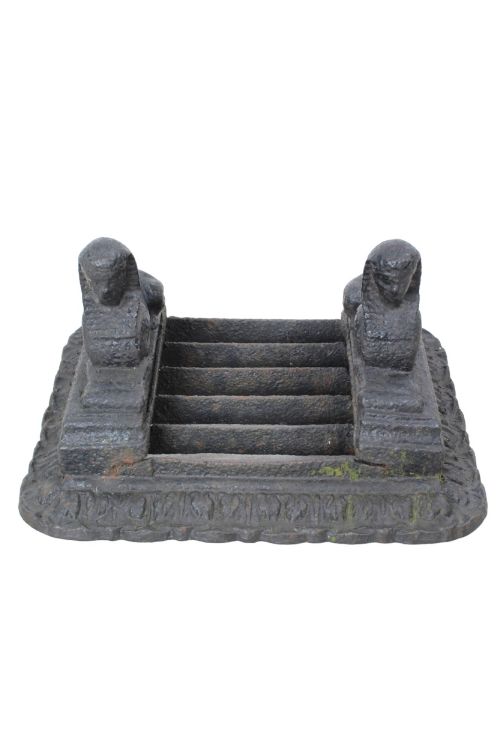
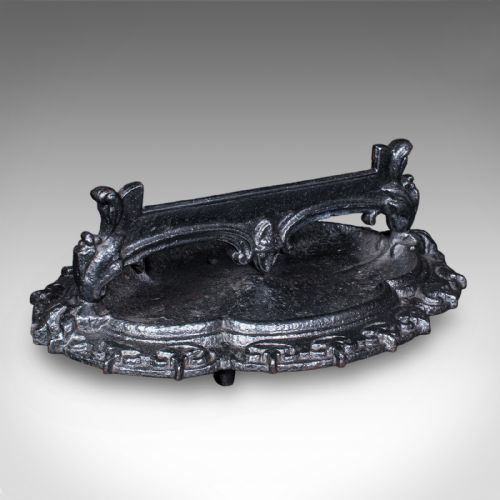
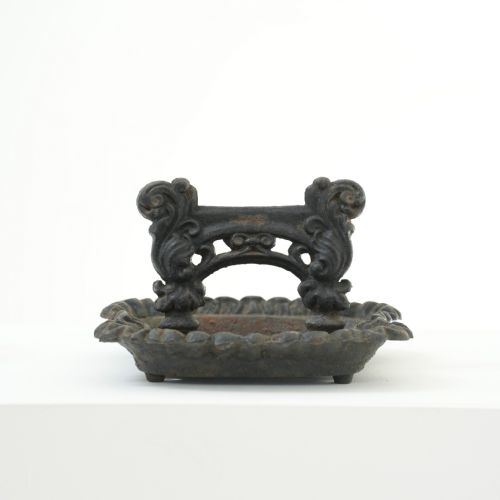
The versions you meet most frequently on this page span the Georgian, Regency, and Victorian periods. They often appear in cast iron or wrought iron forms, sometimes incorporating integrated boot pulls to assist with removing footwear.
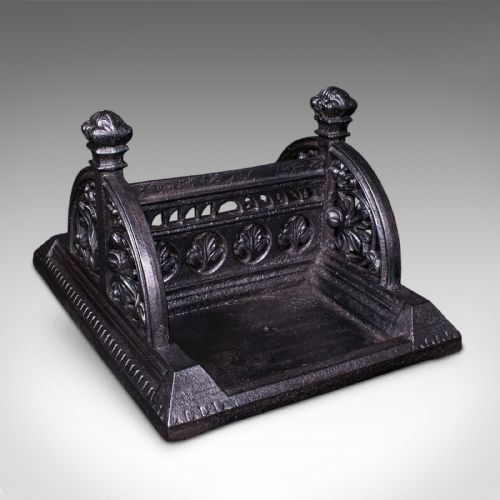
Examples range from simple townhouse doorway fixtures to larger pairs and ornate Gothic Revival designs dating around eighteen seventy-five. Each piece reflects the architectural character of its original British entryway.
What varies in quality
The distinction also rests on scale and proportion, from standard single scrapers to large matched pairs designed for grand London townhouses. Heavier cast iron construction and crisper architectural motifs elevate the standing of a piece.
Antique Shoe Scraper Retail Price Guide 2026
Typical asking prices for shoe scraper among the pieces listed under this phrase on Sellingantiques today, from the lower quarter to the upper quarter. They describe what is for sale here now, not the wider market.
Townhouse residents relied on these iron blades daily, leaving generations of footwear cleaner before every grand entrance.
The Antique Shoe Scraper Glossary
- Boot scraper
- A metal blade mounted near a doorway specifically for scraping mud from the soles of shoes and boots. It represents the primary functional element of these threshold antiques.
- Boot pull
- A projecting hook or handle incorporated into the design to assist with gripping and pulling off muddy boots. This dual-purpose feature frequently accompanies the scraper blade.
- Cast iron
- A strong, hard alloy of iron and carbon poured into moulds to create intricate shapes. This material forms the durable body of most examples.
- Gothic Revival
- An architectural and decorative style drawing inspiration from medieval forms, prominent in pieces dating towards the late nineteenth century. It introduces pointed arches and ornate motifs to domestic ironwork.
Antique Shoe Scraper: Frequently Asked Questions
Where were antique shoe scrapers placed?
These pieces sat directly outside entrance doors, usually mounted near the threshold of townhouses and country residences.
Visitors utilised them before stepping inside, protecting interior floors from mud and debris.
What materials are they made from?
Surviving examples consist primarily of cast iron and wrought iron, chosen for their strength and weather resistance.
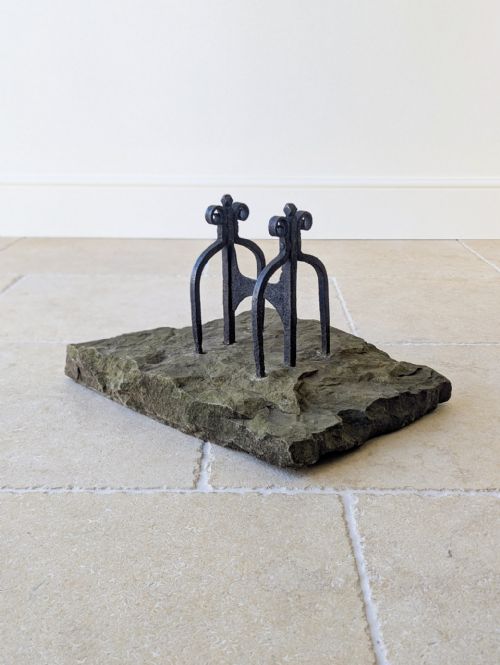
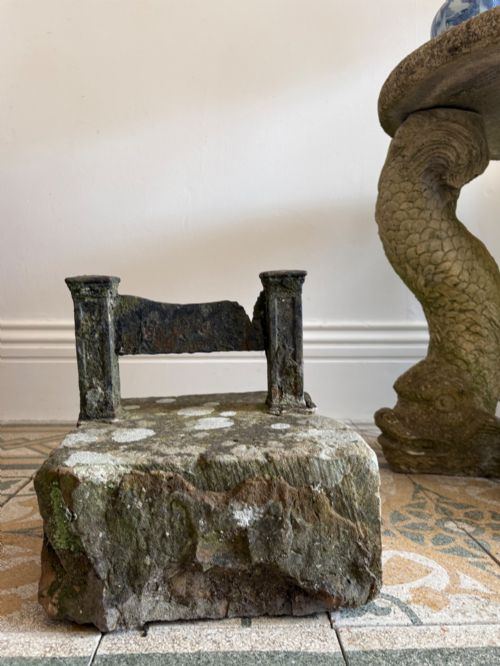
Some configurations also incorporate stone bases to anchor the metal scraper securely in place.
What is a boot pull?
A boot pull is an integrated hook or loop attached alongside the scraper blade to help leverage muddy footwear off the foot.
This added utility appears on numerous Georgian and Victorian town models.
How do I date a shoe scraper?
Dating relies on stylistic clues, such as the decorative flourishes of Victorian Gothic Revival or the cleaner lines associated with Georgian and Regency pieces.
Foundry techniques and material weight also help indicate the era of manufacture.