




Antique Boot Wiper
These antique boot wiper pieces are robust outdoor and tabletop implements designed to clear mud from footwear, offering enduring utility for the home.
Antique Boot Wiper
An antique boot wiper is a functional entrance accessory designed to remove mud and dirt from footwear before entering a house. These items range from large architectural doorstep installations to smaller desk accessories.
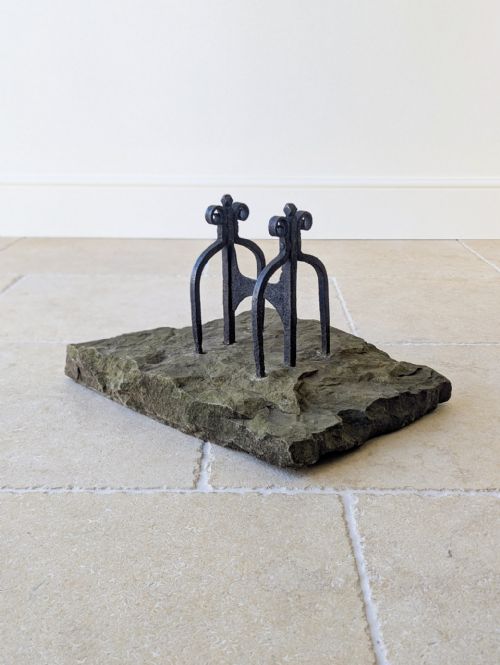
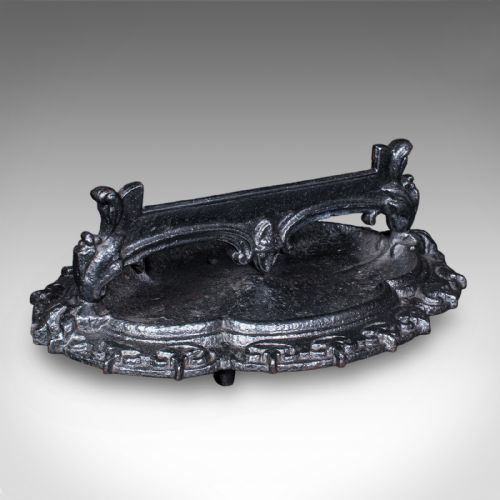
The examples available here are predominantly cast iron floor pieces, often mounted in stone blocks or wrought iron frames. Buyers will also encounter smaller novelty items designed for tabletop use.
Originating largely from the Georgian, Regency, and Victorian periods, these pieces reflect the practical domestic needs of nineteenth century townhouses and country estates.
How they were made
Foundry work dominates the construction of these items, utilising durable cast iron and wrought iron for the structural scrapers and frames. These metals provide the necessary weight and resilience to withstand heavy outdoor use.
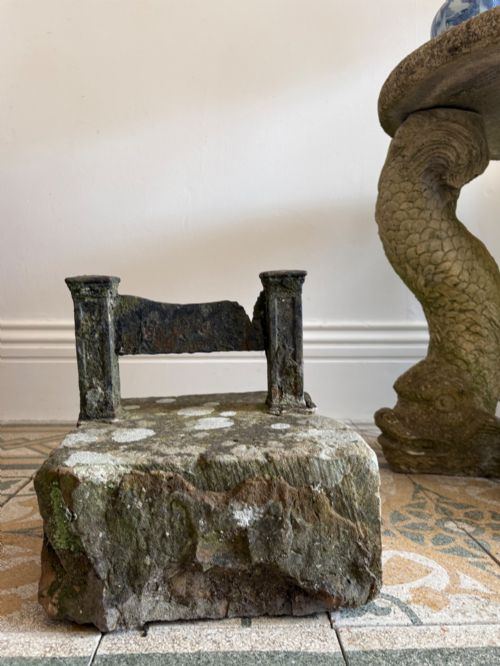
Many heavy floor examples integrate natural stone bases such as Yorkstone or hewn stone blocks to anchor the metal blade firmly in place. Smaller tabletop variants incorporate materials like sterling silver alongside horsehair or natural bristle for delicate cleaning tasks.
Listings feature cast iron, sterling silver, wrought iron, and Yorkstone across Victorian, Regency, and Georgian periods.
What varies in quality
The distinction between standard utility items and finer examples lies in the artistic execution of the metalwork and the inclusion of decorative architectural styles such as Gothic Revival. Detail in cast motifs, such as animal forms, elevates a simple household tool into a designed object.
The choice of base materials also affects the character of the piece, with substantial hewn stone blocks or integrated shoe pulls representing more elaborate country house and townhouse commissions.
Sampson Mordan Co
The Antique Boot Wiper Glossary
- Boot scraper
- A metal blade fixed near a doorway for scraping mud from the soles of boots. This is the primary functional form seen in these listings.
- Gothic Revival
- An architectural and decorative style drawing inspiration from medieval forms. Pieces in this style often feature pointed arches and heavy ornamentation.
- Yorkstone
- A tough sedimentary sandstone quarried in Yorkshire, frequently used as a solid base for mounting heavy outdoor metalwork.
Antique Boot Wiper: Frequently Asked Questions
Where were boot scrapers placed?
These items were positioned outside entrances, doorways, and porches of townhouses and country houses to catch dirt before guests stepped inside.
Heavier examples were often fixed directly into stone steps or masonry near the threshold for maximum stability.
How do I use a boot wiper?
The metal blade or scraper is used to clear thick mud and debris from the soles and edges of boots by scraping downward.
Some designs include integrated shoe pulls to help leverage footwear off muddy feet without bending down.
What materials are they made from?
The listings show a strong reliance on cast iron and wrought iron for durability against weather and heavy daily use.
Many floor-standing models are set into heavy stone blocks, while smaller tabletop versions utilise sterling silver and natural bristles.
How do I date an antique boot scraper?
Dating relies on stylistic clues, manufacturing techniques, and the associated periods such as Georgian, Regency, or Victorian.
Heavier cast iron forms with Gothic Revival details typically point to the nineteenth century.