





Cast Iron Shoe Scraper
A cast iron shoe scraper is a robust doorstep metalwork essential designed to clear mud from boots before entering.
Cast Iron Shoe Scraper
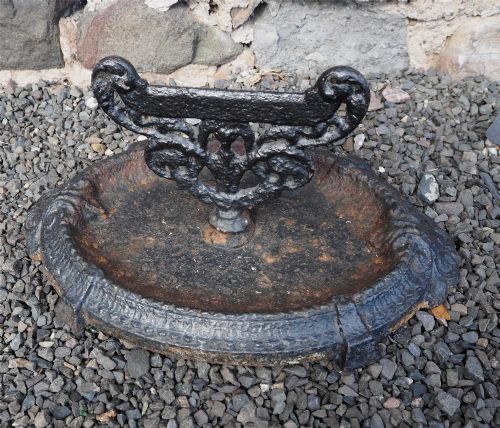
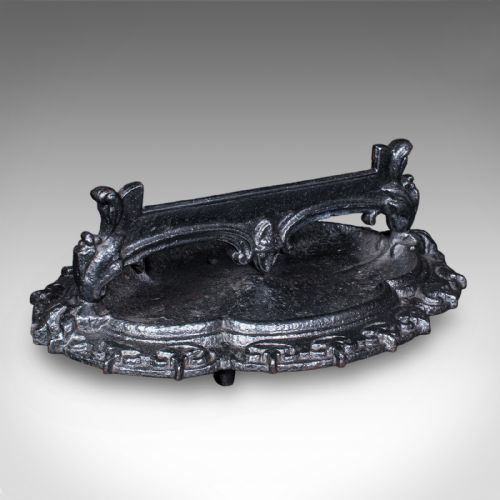
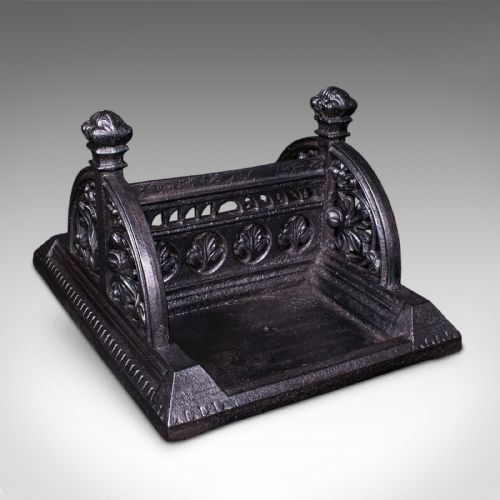
A cast iron shoe scraper is a utilitarian piece of entrance metalwork designed to clear mud and soil from footwear before entering a building. When you search for this phrase, you meet sturdy Victorian and Georgian examples intended for country houses, townhouses, and grand doorways.
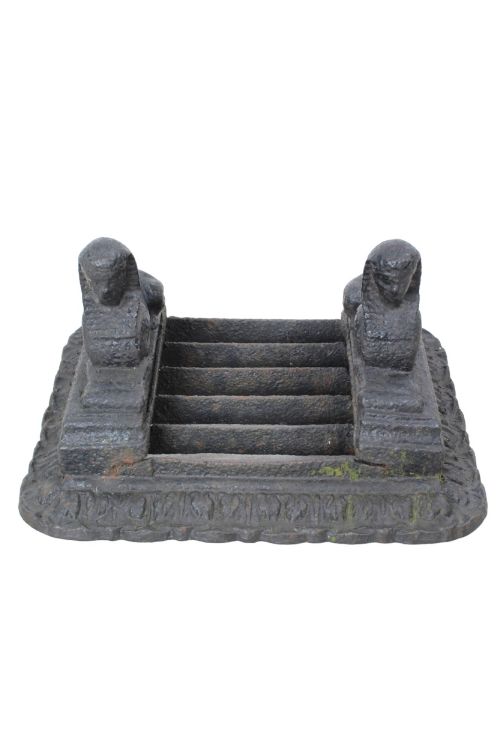
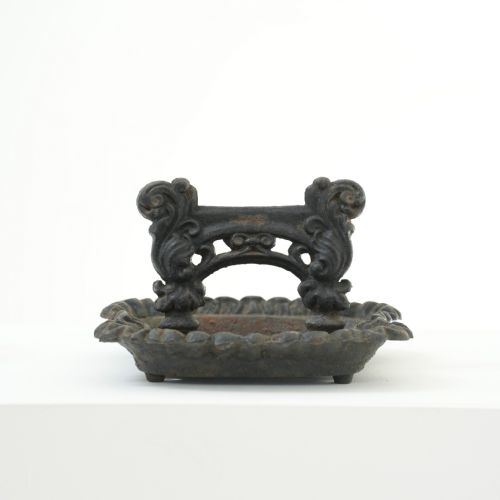
The most common versions on this page are Victorian and Georgian cast iron pieces, often combined with stone bases or shoe pulls. These range from simple domestic models to ornate designs incorporating Egyptian Revival, Gothic Revival, or Regency styles.
How they were made
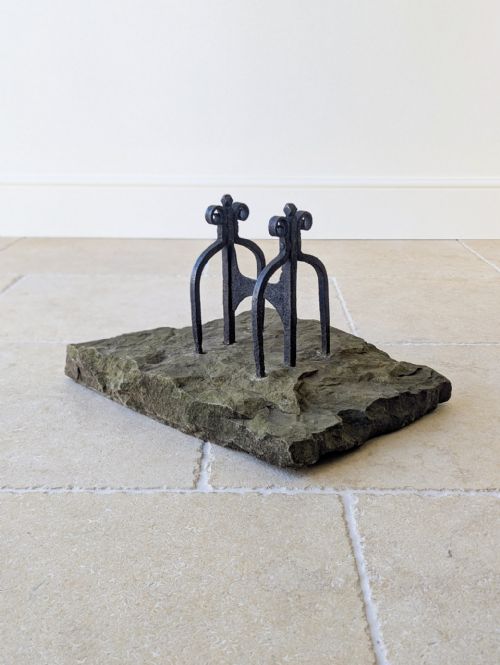
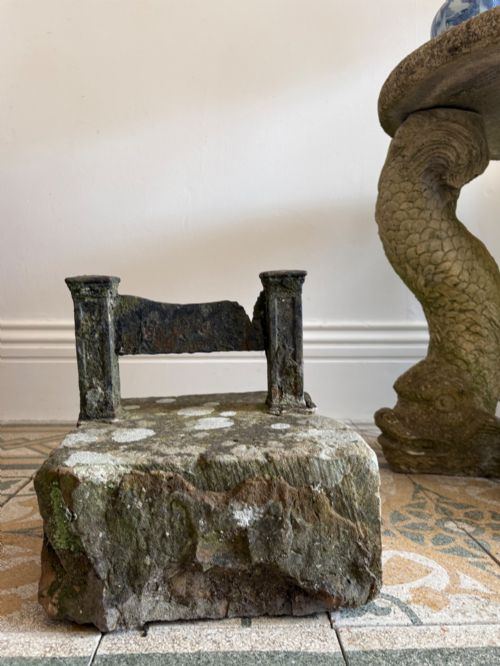
These pieces rely primarily on cast iron, sometimes paired with wrought iron for structural stability or handles. Many examples are inset directly into hewn stone blocks, Yorkstone, or larger masonry foundations to anchor the metal securely.
Foundries utilised traditional sand casting techniques to pour molten iron into moulds, producing durable blades and decorative frames. Details such as lion motifs or gothic arches emerged straight from the mould or received hand-finished trimming before assembly.
Some Victorian house guests must have hopped quite high to avoid missing the lion's mouth.
What varies in quality
Quality in a cast iron shoe scraper rests upon the crispness of the casting and the architectural ambition of the design. Simpler utility pieces contrast with elaborate Egyptian Revival or Gothic Revival models featuring integrated shoe pulls and sculptural details.
The integration between the iron blade and its mounting foundation also defines the standard of the piece. Heavy hewn stone blocks and well-balanced proportions indicate a higher grade of country house or London townhouse installation.
Coalbrookdale
The Cast Iron Shoe Scraper Glossary
- Shoe pull
- An integrated upright loop or handle designed to assist a person in steadying themselves while scraping boots. This element frequently appears alongside the scraper blade.
- Yorkstone
- A tough, durable sandstone originating from Yorkshire, often utilised as the heavy mounting block for heavier entrance scrapers. It provides a stable base for the cast iron metalwork.
- Gothic Revival
- An architectural and decorative style drawing inspiration from medieval forms, featuring pointed arches and ecclesiastical motifs. Scrapers in this style date mainly to the nineteenth century.
- Egyptian Revival
- A distinct decorative style incorporating motifs from ancient Egypt, such as lotus columns and stylised figures. It appears on select nineteenth-century ironwork.
- Coalbrookdale
- A renowned centre of ironfounding in Shropshire responsible for producing decorative and utilitarian metalwork. Pieces from this tradition represent notable foundry work.
Cast Iron Shoe Scraper: Frequently Asked Questions
Where were shoe scrapers placed?
These scrapers were traditionally positioned immediately outside the front entrance of townhouses and country estates. Homeowners mounted them near the threshold to catch heavy mud before guests crossed the timber floors inside.
They stood directly on stone steps or were sunk into paved courtyards near the doorway.
How do I clean an iron scraper?
Maintenance involves removing accumulated dirt with a stiff brush and applying a protective wax or oil to deter oxidation. Avoid harsh chemical cleaners that strip the historic surface.
Keeping the iron dry helps preserve the original dark finish over time.
Are all scrapers made of iron?
While cast iron forms the primary material for the scraper blades and frames, many examples incorporate stone bases. Yorkstone and hewn stone blocks provide the heavy anchor needed to keep the scraper steady.
Wrought iron also appears occasionally in handles and structural supports.
How do I date a shoe scraper?
Dating relies on stylistic clues such as Gothic Revival or Regency ornamentation, alongside construction methods. Victorian pieces often display heavier cast decoration, while Georgian examples tend toward simpler, utilitarian lines.
Foundation materials like hewn Yorkstone also offer period context.