





Victorian Cast Iron Scraper
These robust pieces of functional ironwork keep heavy nineteenth-century mud outside where it belongs.
Victorian Cast Iron Scraper
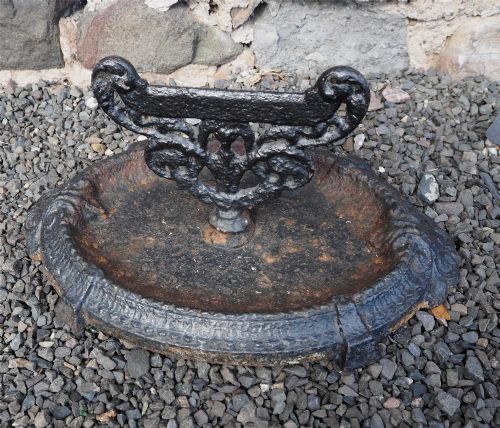
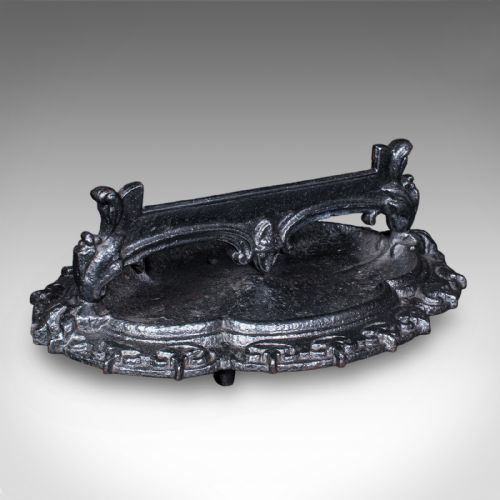
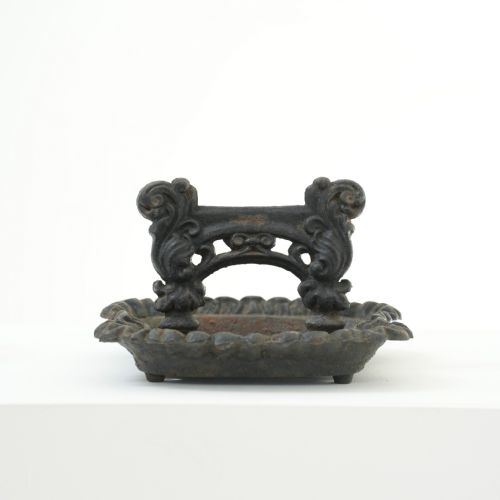
A victorian cast iron scraper stands by an entrance to clean heavy mud from footwear before crossing a threshold. Most examples you will encounter date from the nineteenth century, often appearing as simple blade scrapers or combined shoe pulls set directly beside a doorway.
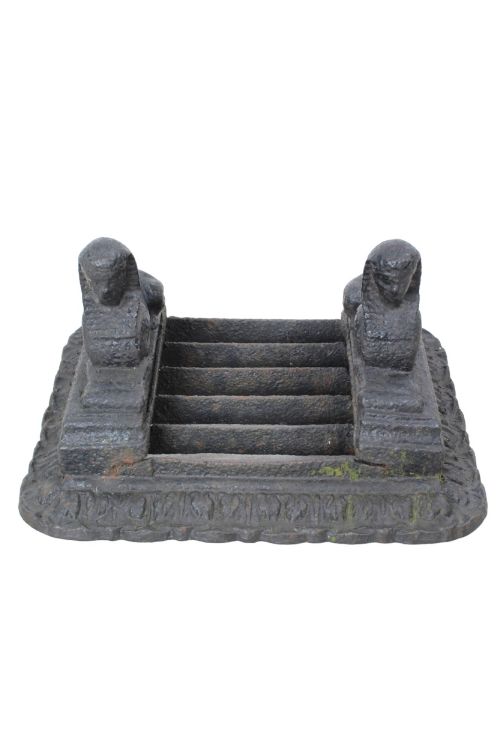
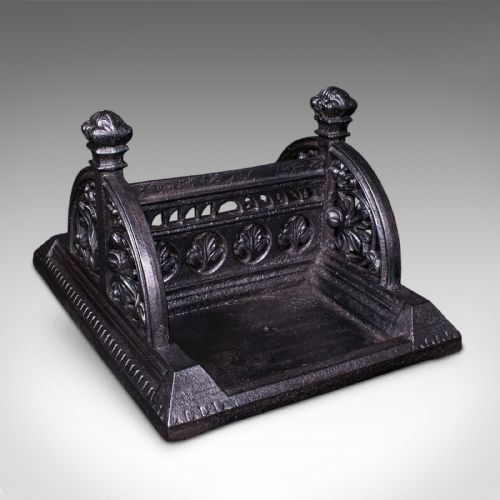
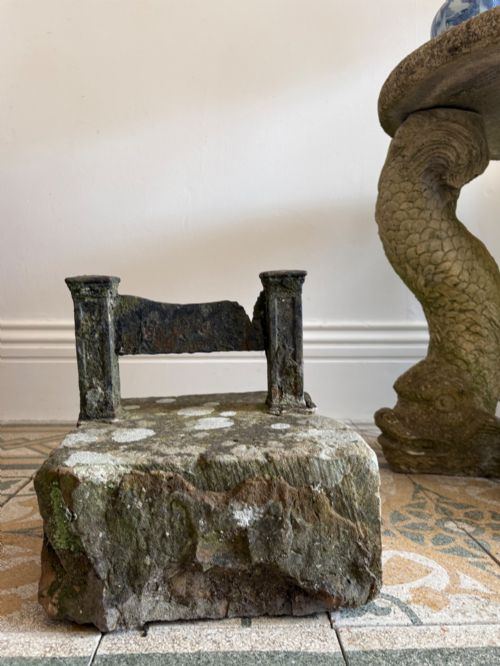
Many items combine the scraper blade with an integrated stone block or mounting flanges designed for exterior steps. Styles range from plain utilitarian designs to ornate Gothic Revival and Egyptian Revival forms produced during the Victorian period.
How they were made
Foundries utilised molten metal poured into sand moulds to shape the heavy cast iron frames and blades. This method allowed makers to produce sharp decorative details alongside thick, weight-bearing sections designed to withstand constant outdoor use.
Certain pieces combine cast iron blades with hewn stone blocks, anchoring the metal securely into heavy masonry foundations. Individual items often display the foundry marks or registry numbers typical of nineteenth-century industrial production.
Some nineteenth-century homeowners demanded cast iron lions to guard their doorsteps, ensuring that even a muddy boot met a small beast upon entry.
What varies in quality
Quality rests upon the crispness of the casting and the architectural ambition of the design, moving from plain utility models to elaborate foundry work with figural elements like lions. Maker attribution, particularly pieces bearing marks from known foundries such as Coalbrookdale or Carron, distinguishes finer examples from anonymous workshop output.
The survival of the original mounting method or integrated stone base alters the integrity of the piece. Superior specimens retain their original surface patination without excessive metal loss from outdoor exposure.
Coalbrookdale·Carron·T Holcroft And Sons Ltd Wolverhampton
The Victorian Cast Iron Scraper Glossary
- Boot scraper
- An iron blade mounted near a doorway for scraping mud from footwear. They are frequently found paired with a vertical loop for pulling off boots.
- Shoe pull
- An integrated loop or handle used for leverage when removing heavy footwear. This feature often accompanies the main scraping blade.
- Gothic Revival
- An architectural and decorative style drawing inspiration from medieval forms. Pieces in this manner display pointed arches and ecclesiastical motifs.
- Egyptian Revival
- A nineteenth-century design style incorporating pharaonic motifs and classical forms. Examples of this style show distinctive exotic detailing on the ironwork.
Victorian Cast Iron Scraper: Frequently Asked Questions
How do I install an antique boot scraper?
Many examples are designed to be embedded directly into exterior stone steps or mortared beside a doorway. Others rely on their own substantial weight or include masonry flanges for stability.
Ensure the fixing method matches the original design to prevent movement during use.
Can I use these scrapers outside today?
These pieces were built from heavy cast iron specifically to endure exterior conditions by domestic doorways. Regular maintenance helps protect the metal from excessive moisture accumulation.
Positioning them on a well-drained surface prevents prolonged contact with standing water.
What is the difference between styles?
Utilitarian models focus purely on a simple blade and frame for basic mud removal. More decorative pieces incorporate Gothic Revival or Egyptian Revival motifs reflecting architectural tastes of the period.
Foundry-marked examples often display greater sculptural ambition in their ironwork.
Why do some have shoe pulls?
The vertical loop allows a person to steady their foot while pulling off muddy boots before entering the house. This combination of scraper and pull served as standard equipment beside nineteenth-century townhouses and country homes.
Such dual-purpose designs make these objects particularly practical at muddy entrances.