

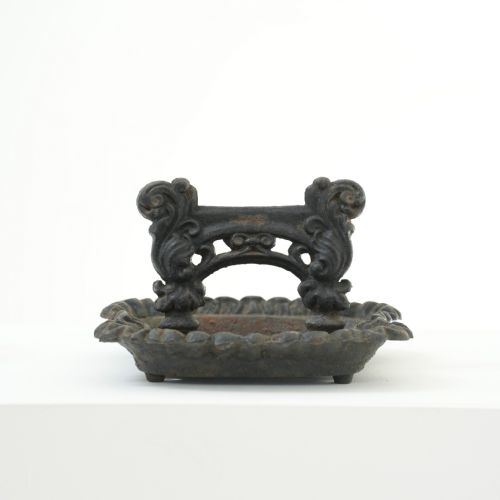


Black Iron Shoe Scraper
These heavy black iron shoe scraper pieces clear mud from footwear at a doorway before stepping inside.
Black Iron Shoe Scraper
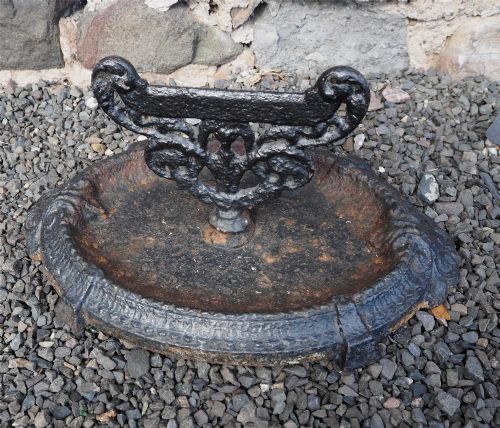
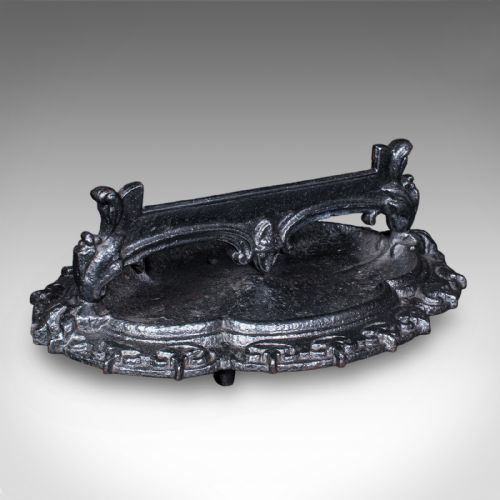
A black iron shoe scraper stands beside a doorway to clear mud and dirt from footwear before entry. The forms seen here include standalone boot scrapers, entrance shoe cleaners, and designs combined with shoe pulls.
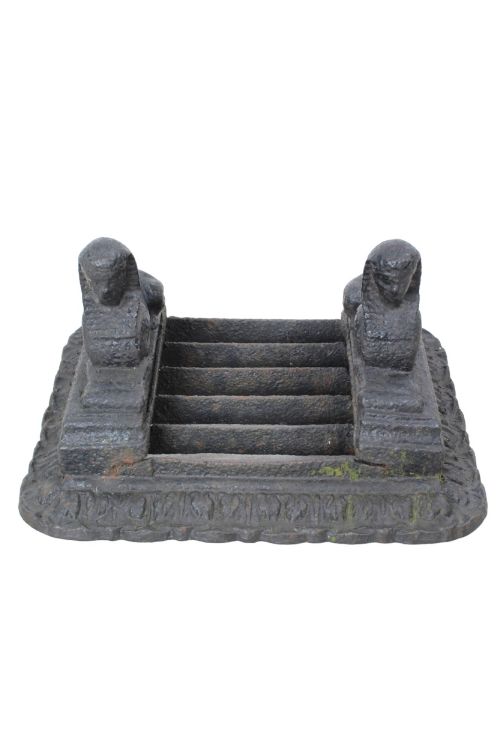
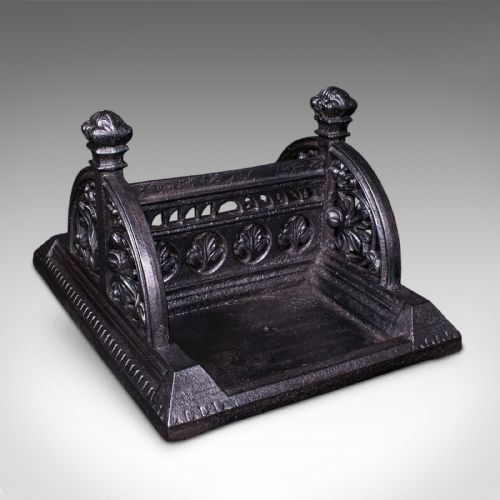
The pieces on this page span several distinct periods, with Victorian examples appearing alongside Georgian and nineteenth-century items. Stylistic variations range from plain utility designs to elaborate Egyptian Revival and Gothic Revival forms.
Originating as practical fixtures for townhouses and country houses, these objects vary from simple single blades to large pairs and architectural entryway furnishings.
How they were made
These items are produced entirely in cast iron, utilising foundry techniques that allow for both robust structural forms and detailed ornamental casting.
Stylistic elements such as Gothic Revival tracery and Egyptian Revival motifs are cast directly into the iron structure during the manufacturing process.
Styles include Gothic Revival, Egyptian Revival, and traditional townhouse designs with integrated shoe pulls.
What varies in quality
Quality in these pieces is defined by the ambition of the design, distinguishing simple utility scrapers from sophisticated architectural forms like those with lion details or townhouse shoe pulls.
The crispness of the cast iron ornamentation marks the difference between standard production and exceptional examples from periods such as the Victorian era and Georgian times.
The Black Iron Shoe Scraper Glossary
- Boot Scraper
- A metal blade or frame fixed outside a doorway for scraping mud from the soles of boots. This is the primary functional form found in these listings.
- Shoe Pull
- An integrated hook or handle used to steady footwear while cleaning. These often accompany scrapers on townhouse entrance pieces.
- Gothic Revival
- A nineteenth-century style drawing on medieval architectural motifs such as pointed arches and tracery. Items from this movement display distinct decorative ironwork.
- Egyptian Revival
- A design style inspired by ancient Egyptian art and architecture, appearing on decorative cast iron pieces around nineteen hundred.
Black Iron Shoe Scraper: Frequently Asked Questions
Where were black iron shoe scrapers placed?
These items were positioned directly outside the main entrance of townhouses and country houses to catch visitors before they crossed the threshold.
They stood beside the doorway where muddy footwear could be scraped clean.
How do I date a black iron shoe scraper?
Dating relies on stylistic clues such as Gothic or Egyptian Revival ornament, alongside broader period markers like Victorian or Georgian forms.
Heavier architectural proportions and specific decorative details help distinguish older examples from later ones.
What is the shoe pull for?
The integrated pull provides a secure handhold or foot leverage depending on the design arrangement.
It assists with steadying oneself while scraping heavy mud from the soles.
Are these pieces suitable for outdoor use?
Cast iron construction makes these objects naturally durable for exterior placement beside a doorway.
They are built to withstand the elements while fulfilling their original entrance function.