

Hanging Wall Shelves
Hanging wall shelves provide functional display space across Georgian, Victorian and Edwardian interiors using traditional timber construction.
Hanging Wall Shelves
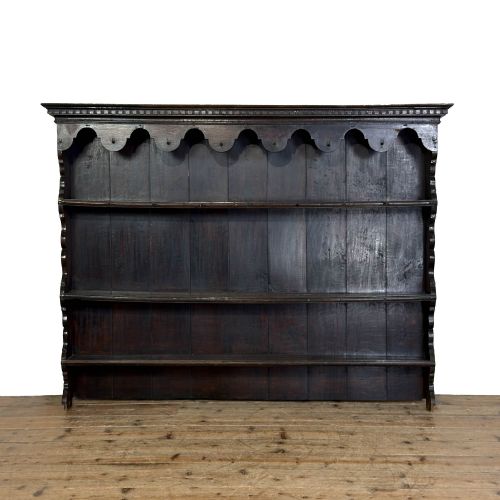
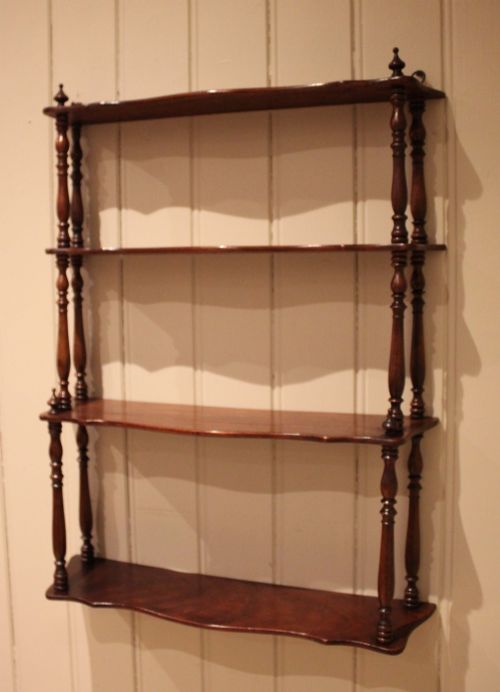
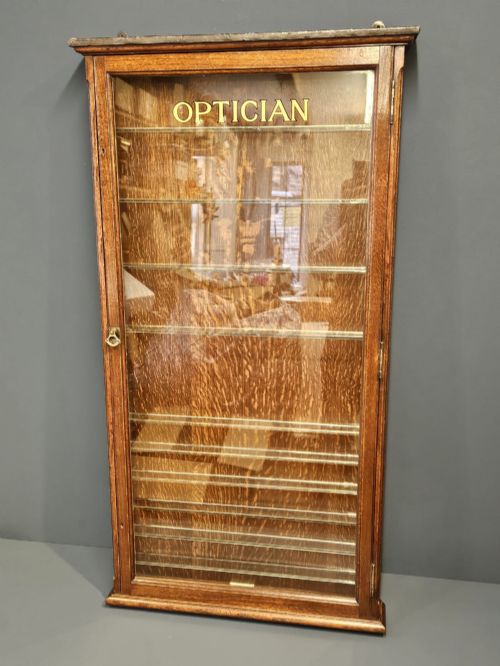
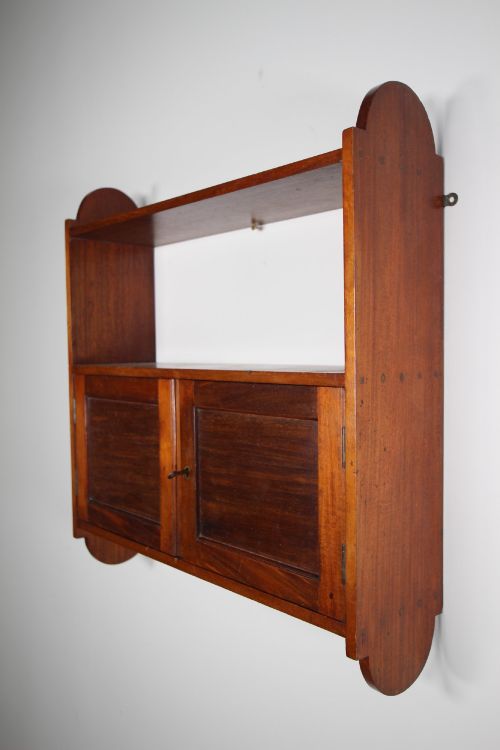
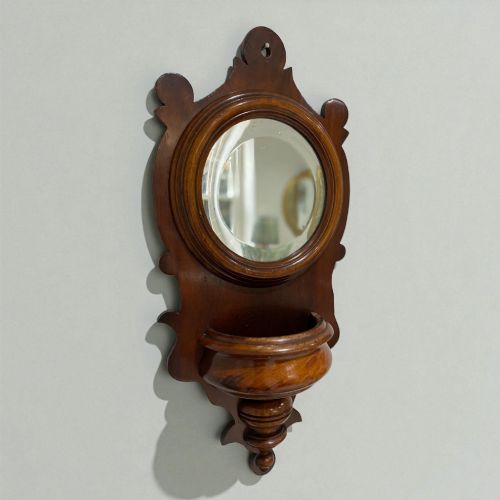
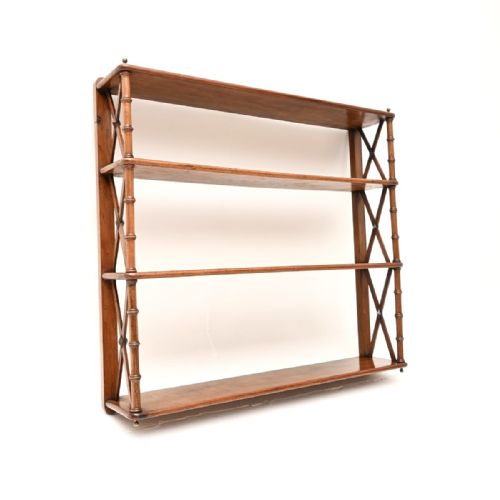
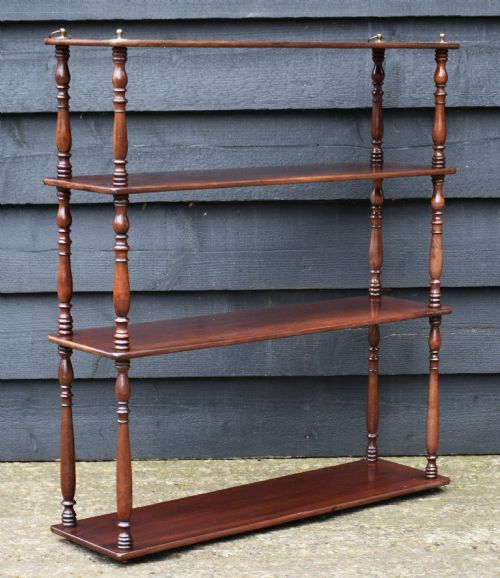
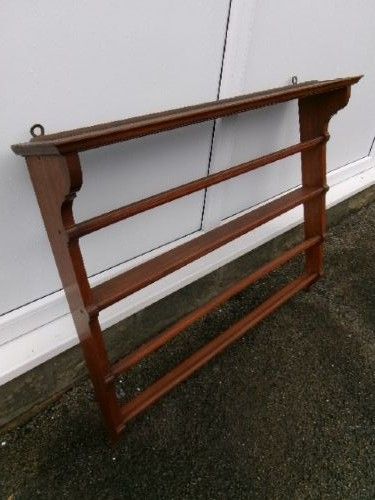
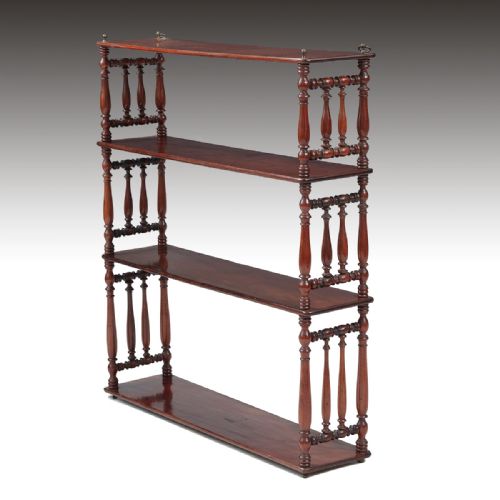
Hanging wall shelves are practical storage items designed to mount directly onto vertical surfaces, saving floor space while displaying books, plates and decorative objects. You will frequently encounter mahogany and oak variations dating from the eighteenth century through to the Edwardian period, often incorporating cabinets, mirrors or plate racks.
Materials and Construction
Cabinet makers utilised dense hardwoods like mahogany, walnut and oak alongside softer pine and painted timbers to build these wall-mounted units. Joints were typically pegged or dovetailed by hand to support the weight of books and ceramics.
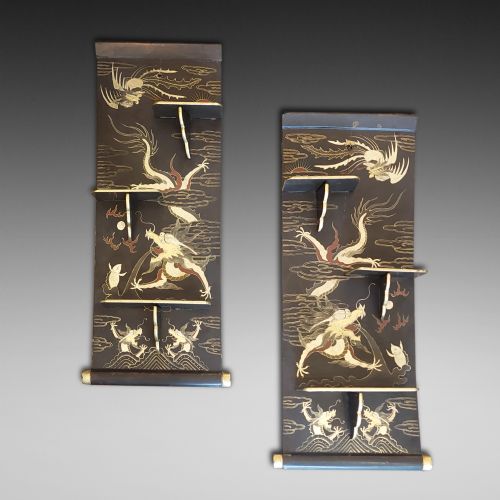
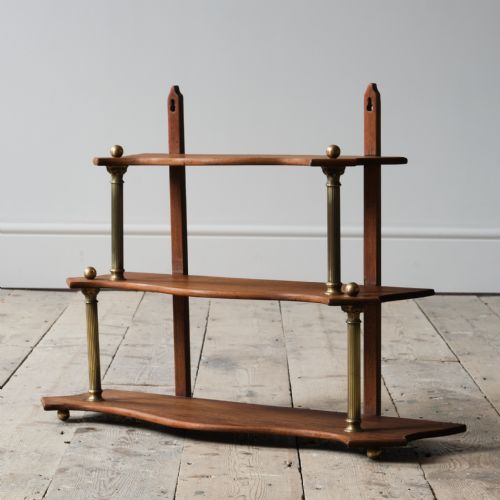
Decorative embellishments often involved brass fittings, inlaid contrasting veneers, gilded frames or hand-painted details. Shelves were secured using integrated wall brackets or hanging plates fixed directly to the timber frame.
Hanging Wall Shelves Retail Price Guide 2026
Typical asking prices for hanging wall shelves among the pieces listed under this phrase on Sellingantiques today, from the lower quarter to the upper quarter. They describe what is for sale here now, not the wider market.
Listings feature numerous examples in mahogany, oak, and walnut, spanning periods from the eighteenth century to the Edwardian era.
Factors of Quality
The standard of timber selection and joinery distinguishes superior pieces from standard workshop output. Finely figured mahogany or quarter-sawn oak displays a richer grain pattern that enhances the overall presence of the furniture.
Intricacy of hand-carved detail, the integration of matching brass hardware and the preservation of original patinated finishes indicate higher craftsmanship. Superior examples maintain structural integrity without excessive reinforcement.
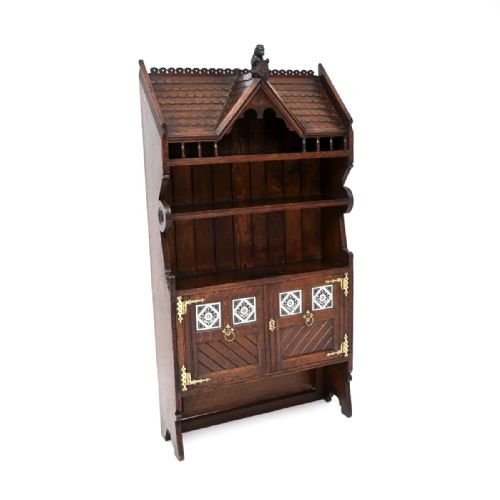
George Edmund Street·John Moyr Smith·Arthur Simpson
The Hanging Wall Shelves Glossary
- Plate rack
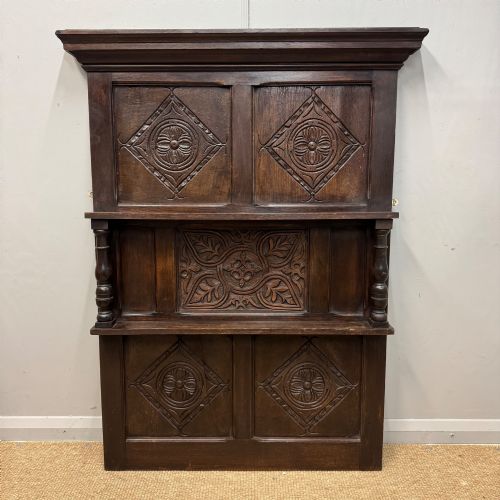
- A grooved wooden rack specifically designed to hold ceramic plates upright against a wall. These are frequently found integrated into eighteenth-century oak dresser tops.
- Overmantel
- A large decorative frame or shelving unit designed to hang directly above a fireplace mantelpiece. They commonly incorporate mirrors or small display ledges.
- Waterfall bookshelves
- Tiered shelving units where each successive shelf steps back from the one below it. This graduated form creates a distinctive descending profile.
- Gilt framed
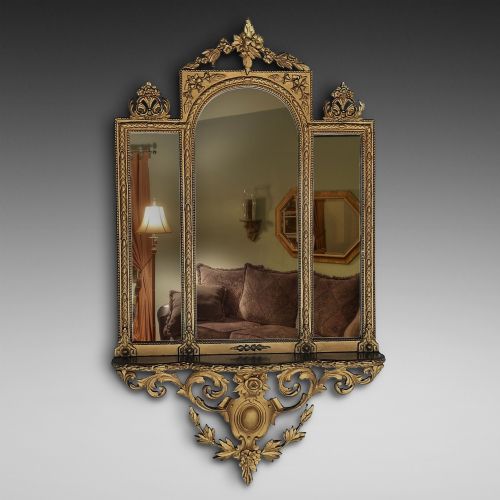
- Enclosed within a wooden structure coated in gold leaf or metallic paint. This treatment was particularly popular on Victorian and Edwardian mirrors and display cabinets.
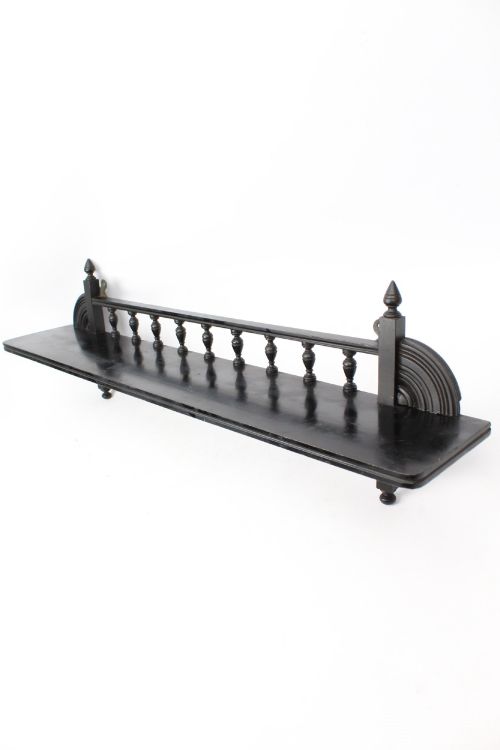
- Ebonised
- Wood stained or painted to resemble ebony, creating a dense black finish. This technique appeared frequently on nineteenth-century Gothic Revival and aesthetic movement pieces.
Hanging Wall Shelves: Frequently Asked Questions
How do I hang antique wall shelves safely?
Antique wall shelves require secure fixings screwed directly into solid wall studs or masonry using appropriaterawl plugs. The weight of heavy timber and books places significant strain on original mounting points.
Distribute the load evenly across the shelves to prevent structural twisting over time. Check that historical hanging loops or brackets remain firmly attached to the wooden frame before mounting.
What periods do these wall shelves date from?
The available pieces span from the eighteenth century through the Georgian and Regency eras into the Victorian and Edwardian periods. Each era brings distinct stylistic traits, from plain oak plate racks to ornate inlaid walnut cabinets.
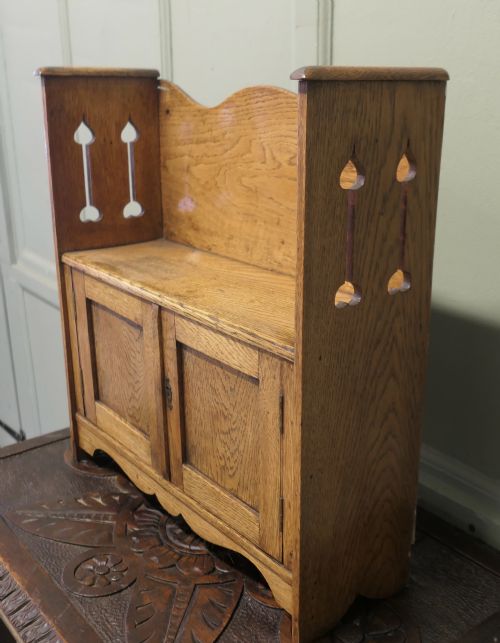
Victorian and Arts and Crafts examples often feature darker ebonised surfaces or characteristic hammered brass details. Late nineteenth and early twentieth-century pieces frequently combine storage shelving with mirrors or magazine racks.
Were these shelves originally used in kitchens?
Many pine and oak examples served practical roles in domestic kitchens as plate racks or food storage units. Georgian and Victorian households utilised open shelving for everyday ceramics and utensils.
More refined mahogany and walnut variations were intended for formal reception rooms, libraries or bedrooms. These lighter pieces functioned primarily for book storage or the display of decorative ornaments.
How do I clean and maintain old timber?
Maintain wooden surfaces by dusting regularly with a dry, soft cloth to prevent particulate buildup. Avoid silicone-based polishes, which can damage historic finishes over extended periods.
Apply a traditional beeswax sparingly to nourish dry timber and preserve the natural patina. Keep hanging shelves away from direct heat sources and strong sunlight to prevent warping and fading.