

Small Mahogany Shelf
A small mahogany shelf offers compact wall or table storage, bringing rich grain and period character to tight spaces.
Small Mahogany Shelf
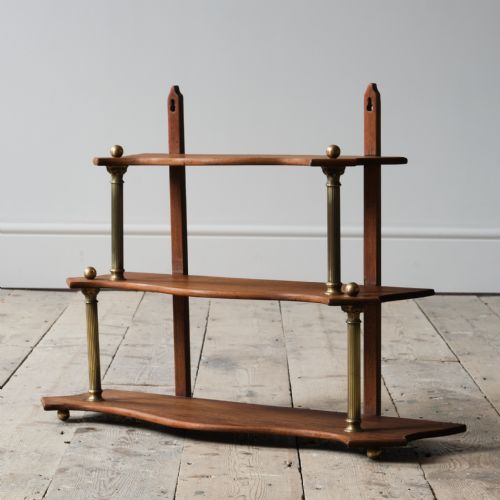
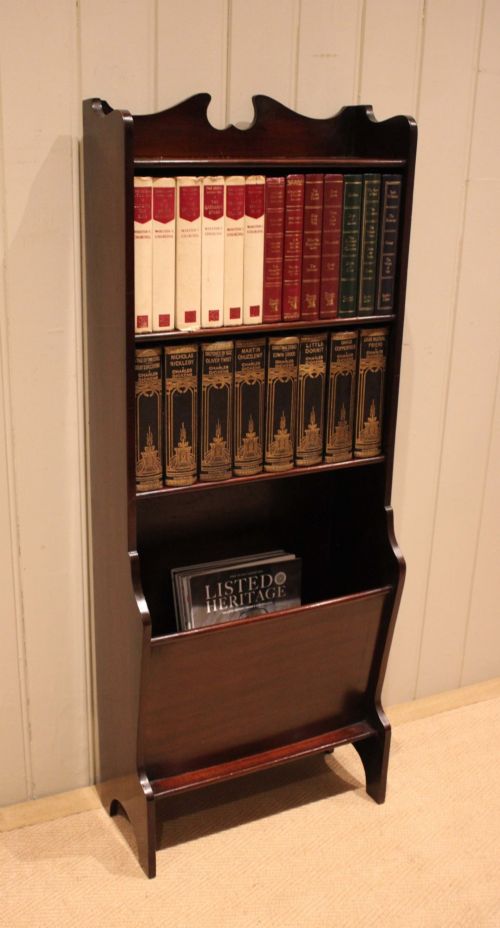
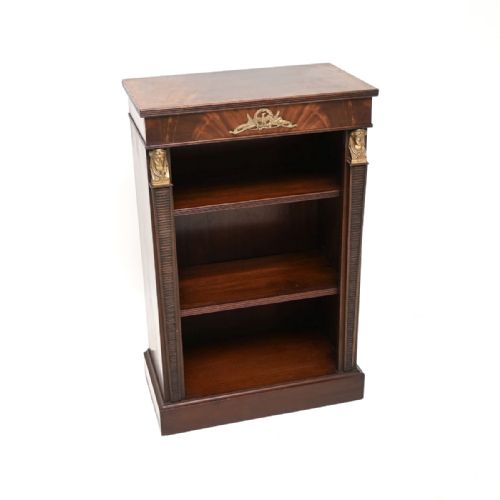
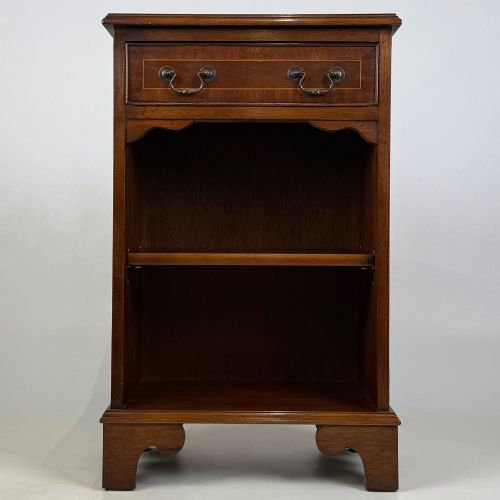
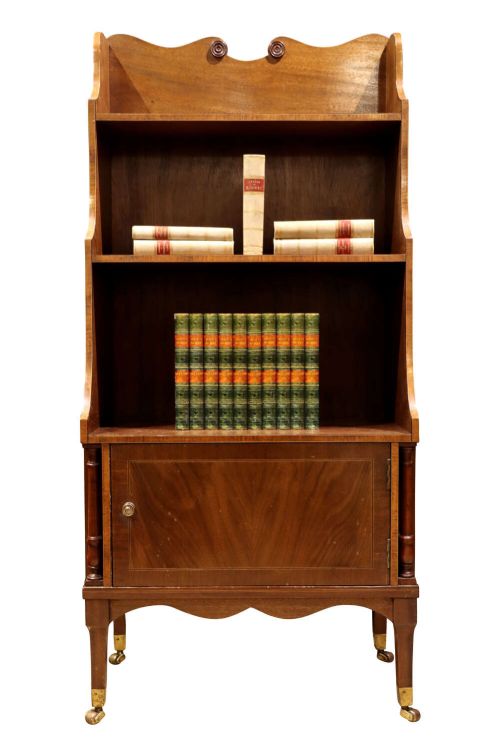
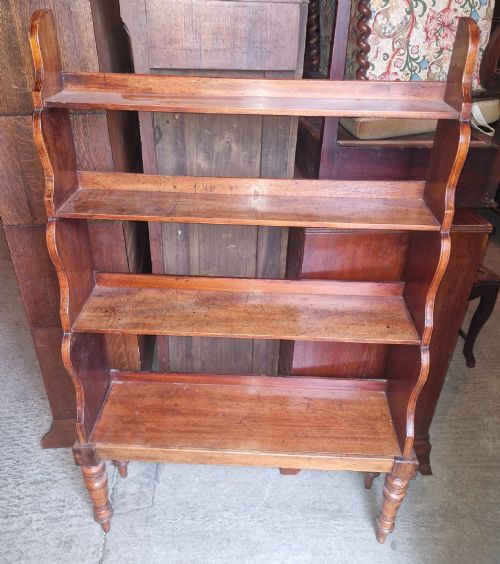
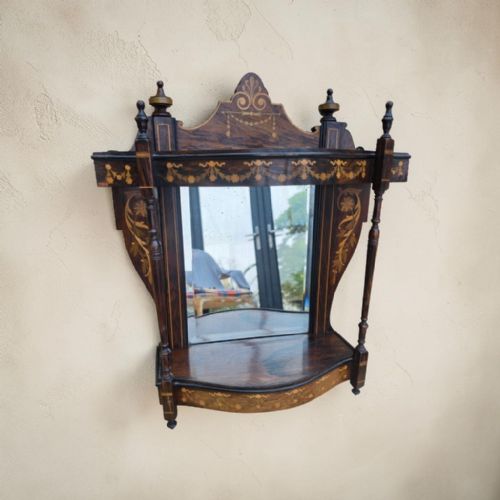
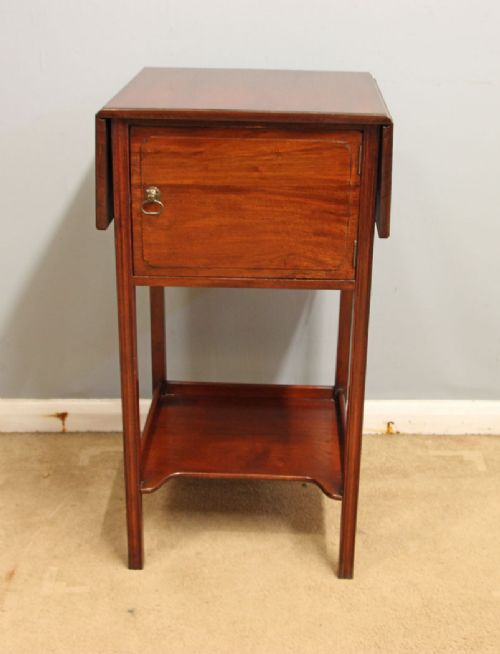
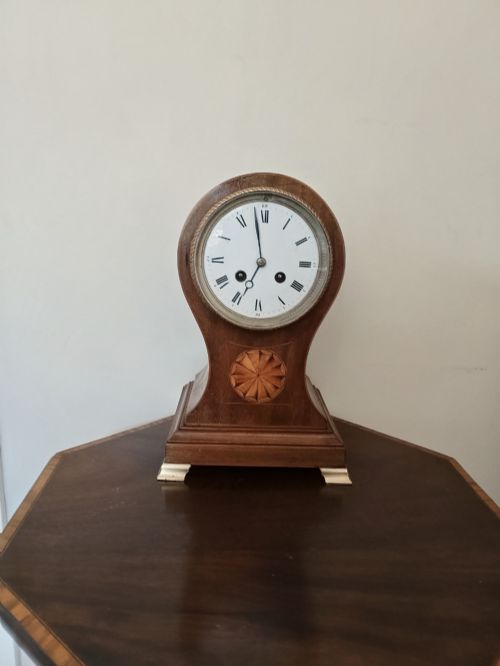
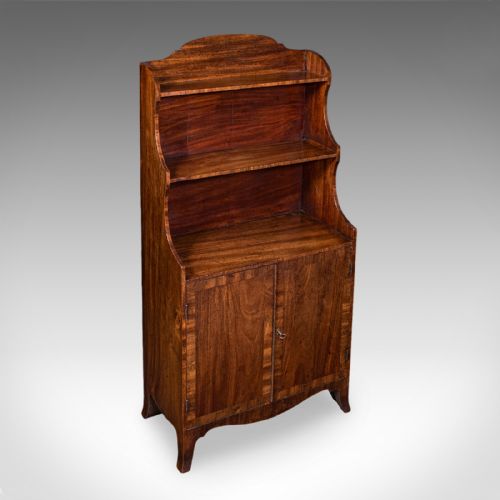
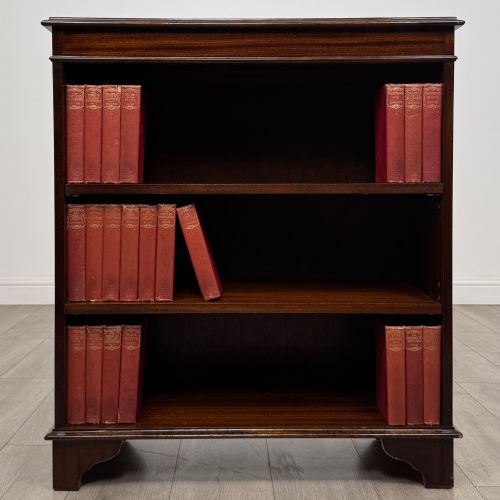
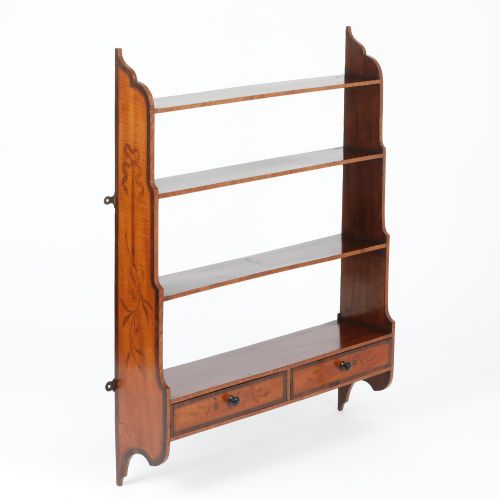
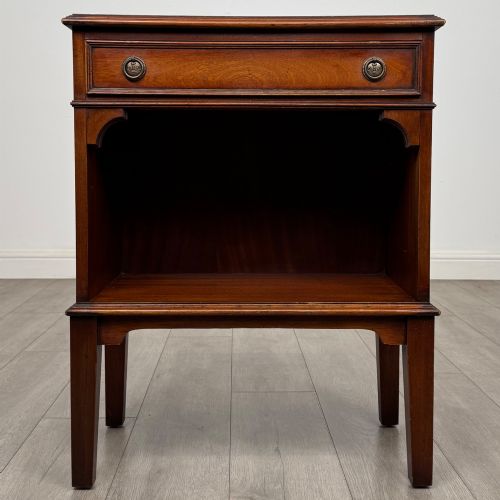
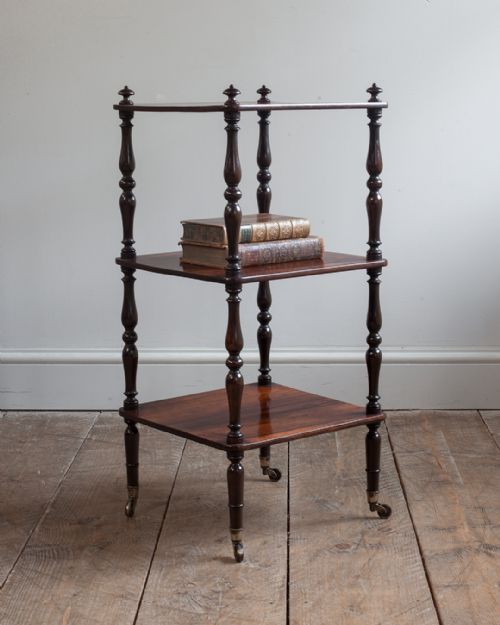
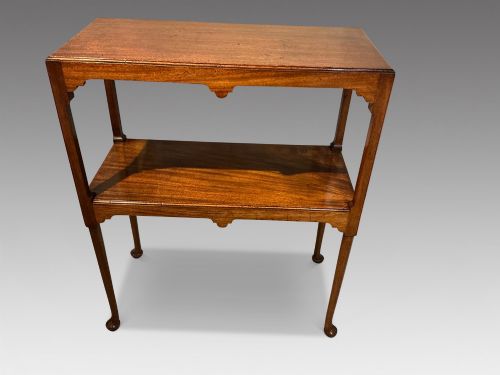
A small mahogany shelf takes many forms across this selection, appearing as wall hanging shelves, open bookcases, tiered whatnots, and compact chiffoniers. You encounter pieces spanning the Georgian, Regency, Victorian, and Edwardian periods, alongside later revivals.
Wall hanging versions predominate alongside freestanding open bookcases and small display units. The designs range from simple tiered ledges to pieces fitted with brass details, mirrors, and lower cupboards.
Originating largely from British and continental workshops, these items served practical storage roles in bedrooms, halls, and parlours. Their compact proportions make them suitable for modern rooms requiring period woodwork.
How they were made
Cabinet makers utilised solid mahogany and flame mahogany veneer over secondary timbers, often applying contrasting satinwood inlay to accentuate the surfaces. Brass fixtures such as hanging brackets, castors, and gallery rails appear frequently on pieces from the Regency and Victorian eras.
Construction methods combine traditional joinery with applied decorative elements like glass panels, enamel dials, and turned supports. Timber surfaces received hand-polished finishes to highlight the natural grain patterns and rich reddish-brown colour of the wood.
Portable mahogany bookshelves enabled 19th-century travellers to transport their favourite reading material across land and sea.
What varies in quality
Quality rests on the selection of timber figures, where matched flame mahogany veneer or well-chosen solid boards distinguish superior examples from plain stock. The crispness of wood inlay and the integration of brass mounts show the level of care taken by the maker.
Structural integrity and proportion also separate standard items from finer pieces, evident in the balance of tiered shelves and the precision of the joinery. Original fittings, such as brass castors or hanging hardware, add to the integrity of an antique piece.
The Small Mahogany Shelf Glossary
- Mahogany
- A durable tropical hardwood known for its deep reddish-brown colour and stability. It forms the primary structure for the majority of these pieces.
- Whatnot
- An open set of tiered shelves used for displaying ornaments or holding books. These pieces typically feature three or more levels supported by slender uprights.
- Chiffonier
- A compact sideboard or cabinet featuring enclosed lower storage beneath an upper shelf tier. This form developed during the Regency and Victorian periods for dining rooms and parlours.
- Waterfall bookcase
- A set of open shelves where each upper tier is shallower than the one below, creating a stepped profile reminiscent of cascading water. The style appears frequently in Georgian and revival pieces.
- Inlay
- A decorative technique involving pieces of contrasting wood, such as satinwood, fitted flush into the mahogany surface. This method creates geometric or neoclassical motifs.
Small Mahogany Shelf: Frequently Asked Questions
Where should I hang a wall shelf?
These wall hanging pieces suit narrow hallways, alcoves, or above bedside tables where floor space is limited. Ensure the wall fixings match the weight of the timber and books held.
Position the shelf at eye level to display small ceramics, clocks, or collected volumes effectively within a room.
How do I care for mahogany timber?
Keep mahogany furniture away from direct heat sources and strong sunlight to prevent the timber from drying out or fading. Dust regularly with a soft, dry cloth.
Apply a traditional beeswax polish occasionally to nourish the wood grain and maintain the polished surface finish without building up residue.
How do I date an Edwardian piece?
Edwardian items date from the reign of King Edward VII between 1901 and 1910, though the style extends slightly either side. They often combine lighter satinwood inlay with mahogany.
Construction traits from this era include machine-planed interior timbers alongside hand-finished exterior surfaces and lighter brass hardware.