

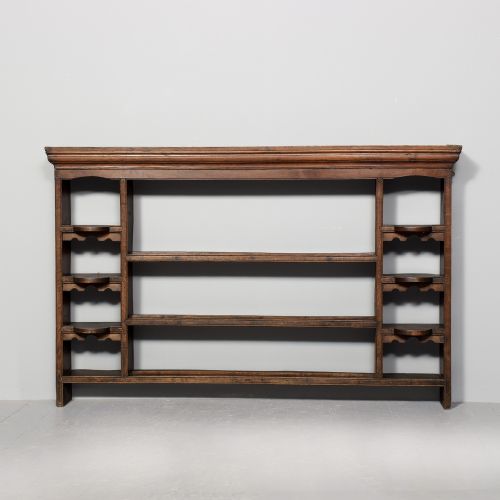


Traditional Wall Unit
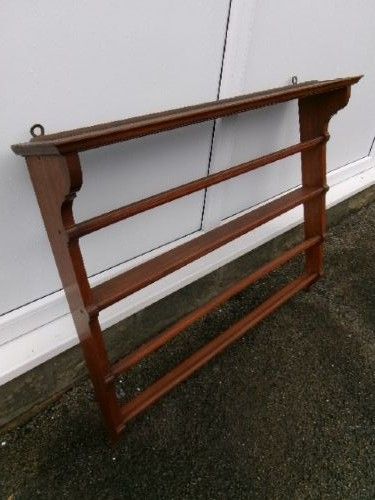
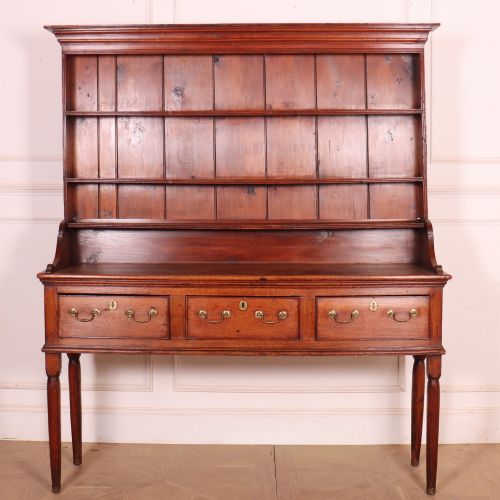
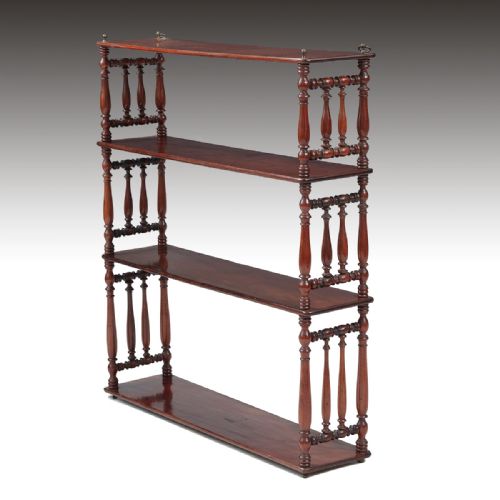
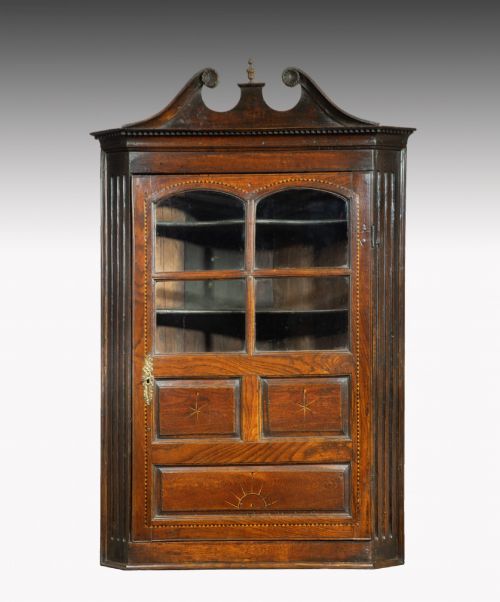
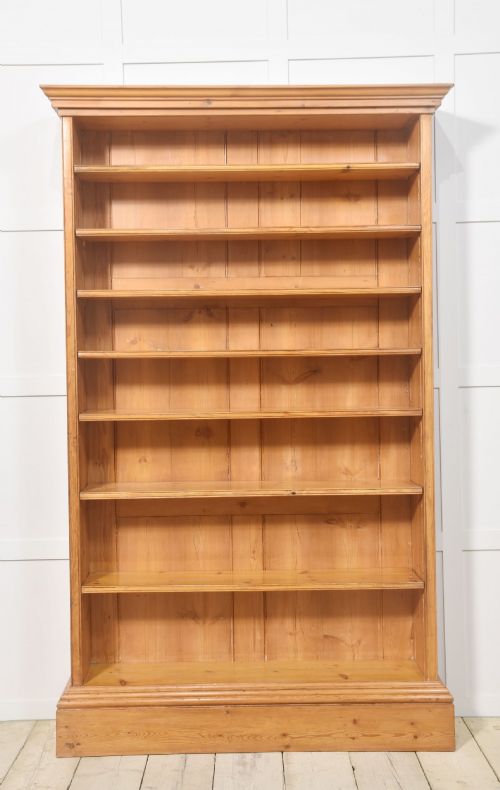
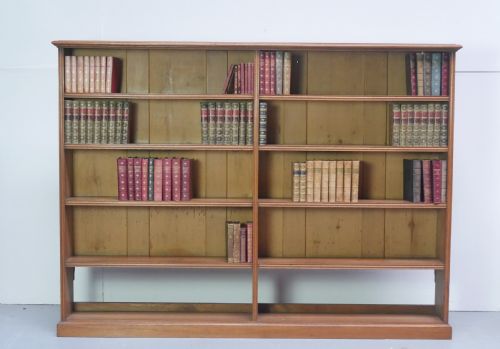
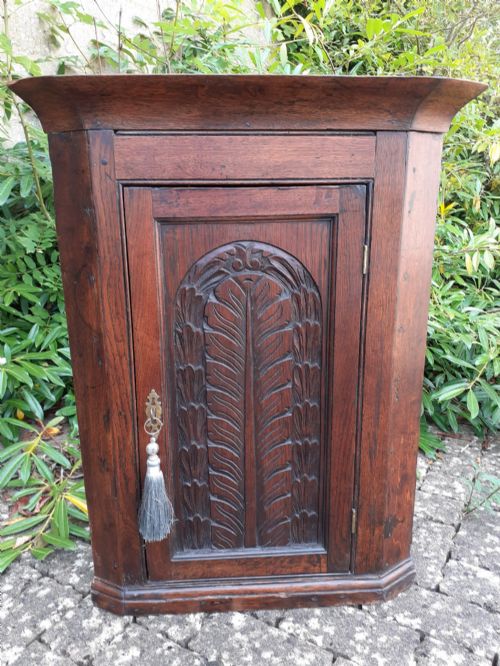
Traditional wall units provide sturdy timber storage for rooms short on floor space, spanning oak plate racks and mahogany hanging shelves.
Traditional Wall Unit
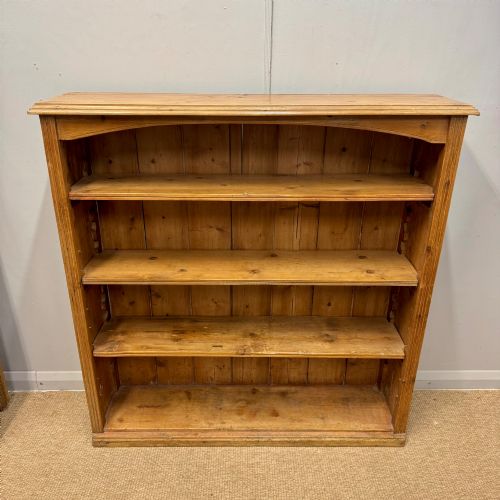
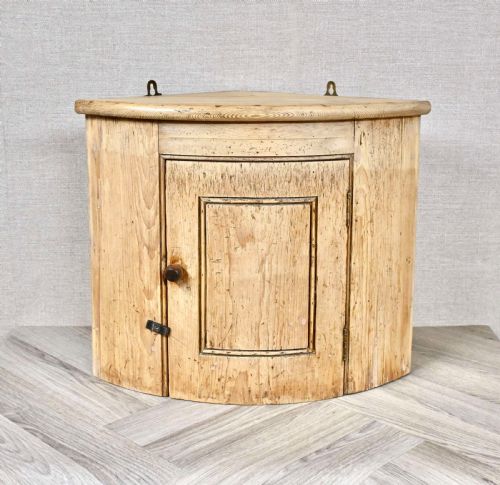
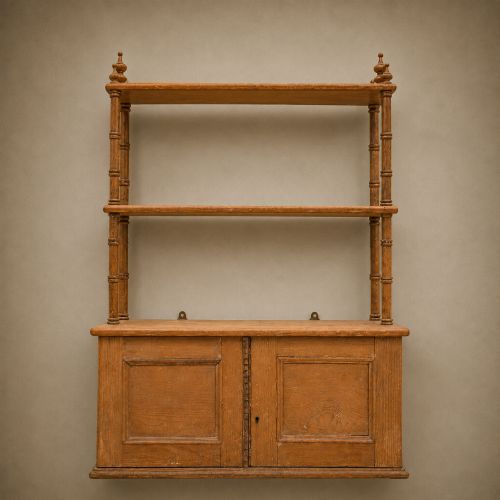
A traditional wall unit is essentially a piece of hanging or corner furniture designed to hold books, plates, and domestic items without taking up valuable floor space. When you search for a traditional wall unit, you encounter pieces that range from small hanging shelves to large fitted bookcases and corner cabinets.
How they were made
Cabinet makers built these units predominantly using native hardwoods and softer timbers such as oak, mahogany, pine, and cherry wood. Structural joints relied on traditional woodworking methods to ensure hanging pieces could bear the weight of books and ceramic plates securely.
Decoration remained restrained, occasionally utilising brass hardware, glass panels, or subtle satinwood inlay to accent the timber grain. Surfaces were finished to highlight the natural properties of the wood rather than applying heavy ornamentation.
Wooden pigeon hole cabinets tucked away in these listings offer a charming glimpse into historical desk organisation.
What varies in quality
Quality in these timber wall units rests primarily on the selection of the wood and the integrity of the original construction. Dense, well-figured mahogany and tightly grained eighteenth-century oak indicate a higher grade of manufacture than utilitarian pine pieces.
The sophistication of the joinery and the survival of original brass fittings or glass panes further distinguish superior examples. Pieces retaining their structural stability through centuries of use demonstrate the care taken by the original maker.
The Traditional Wall Unit Glossary
- Bow front
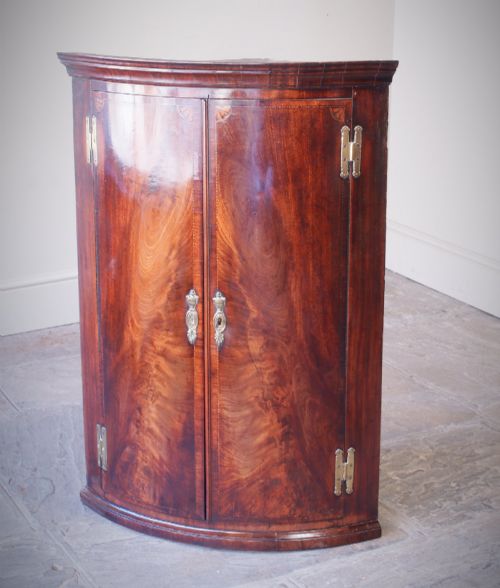
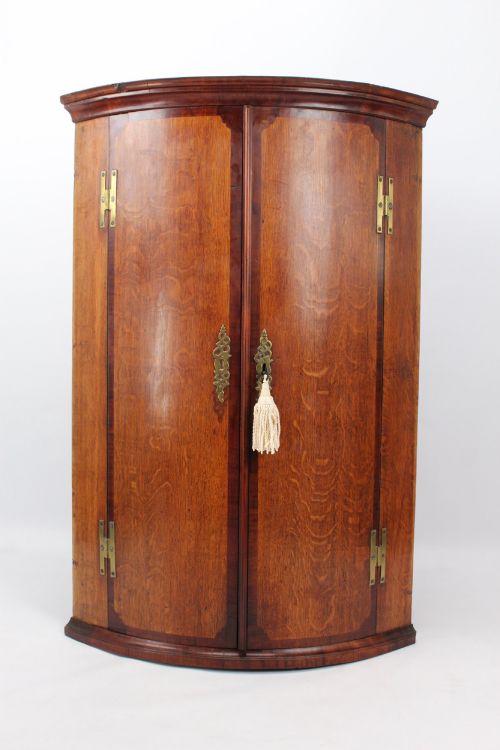
- A convex curved cabinet front that projects outward in a smooth arc. This shape appears frequently on eighteenth-century corner cupboards.
- Corner cupboard
- A triangular cabinet designed to fit neatly into the corner of a room to maximise space. These pieces often feature panelled doors enclosing interior shelving.
- Plate rack
- A wall-mounted wooden rack featuring vertical slats or grooves designed to display plates upright. They formed a standard fixture in traditional kitchens.
- Satinwood inlay
- Contrasting light-toned wood inserted into the surface of a darker timber to create decorative patterns. It adds a refined decorative touch to mahogany furniture.
- Pigeon hole
- A small rectangular compartment within a cabinet used for sorting papers or small objects. Such sections add functional subdivision to larger shelving units.
Traditional Wall Unit: Frequently Asked Questions
What is the difference between an open bookcase and a cabinet?
Open bookcases provide accessible, unhindered shelving for books and decorative objects without doors to obstruct the view. They prioritise easy reach and display over secure containment.
Cabinets and cupboards enclose the storage space behind solid or glass panel doors, protecting contents from dust and light. Corner variants utilise dead space efficiently while offering concealed storage.
How do I date an antique oak corner cupboard?
Dating relies on examining the construction methods, timber characteristics, and hardware style visible on the piece. Eighteenth-century examples often display hand-cut joints and pegged frames rather than modern machine-cut screws.
Secondary woods used in the interior backs and drawer linings also provide clues to the period of manufacture. Stylistic details such as moulded cornices align with Georgian or Victorian design norms.
Can these wall units hold heavy modern books?
Many older wall units and bookcases feature adjustable wooden shelves capable of supporting standard book collections. However, the weight capacity depends entirely on the thickness of the timber and the strength of the shelf supports.
Checking the condition of the internal shelf supports prevents sagging over time. Lighter plate racks and small hanging shelves suit decorative ceramics better than dense scholarly volumes.