

Handwoven Wool Bag
When you search for a handwoven wool bag, you uncover nomadic textiles crafted for practical transport and storage.
Handwoven Wool Bag
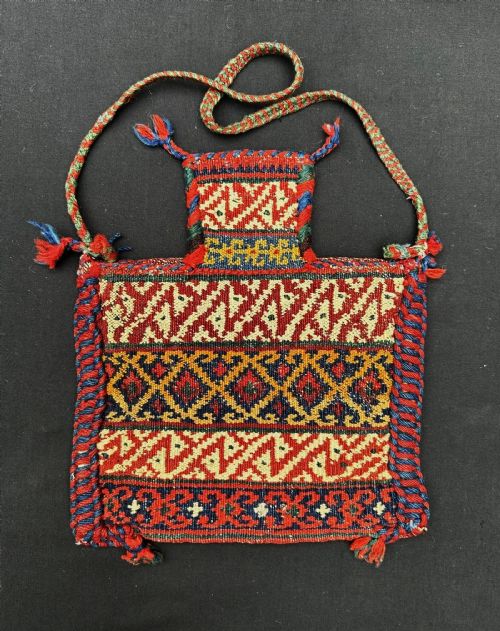
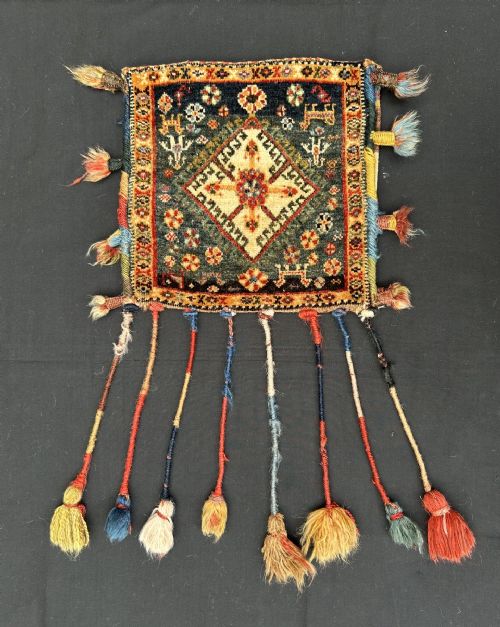
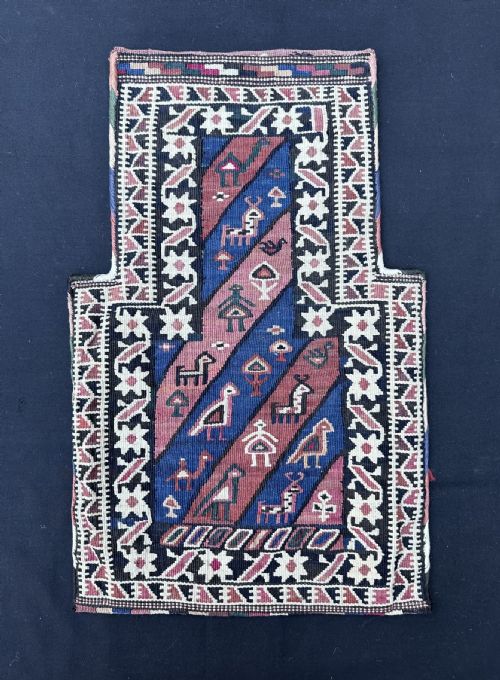
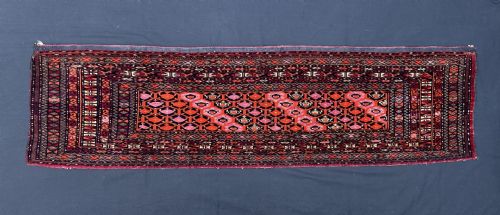
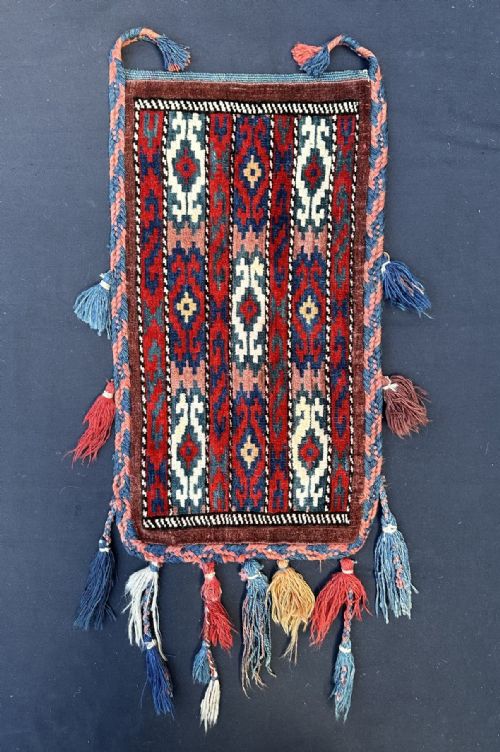
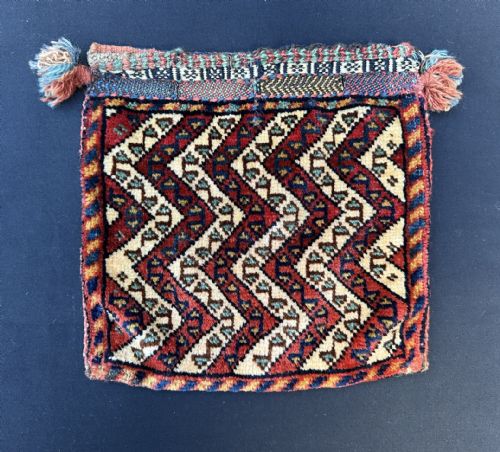
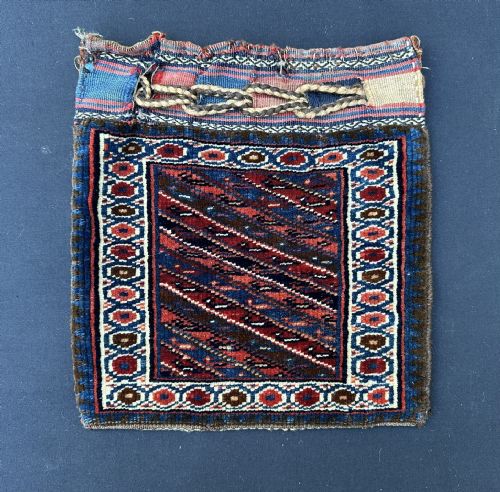
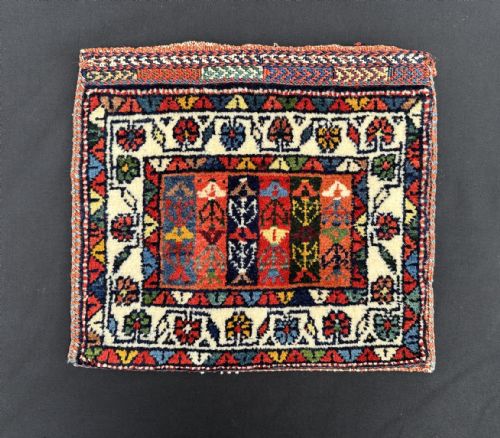
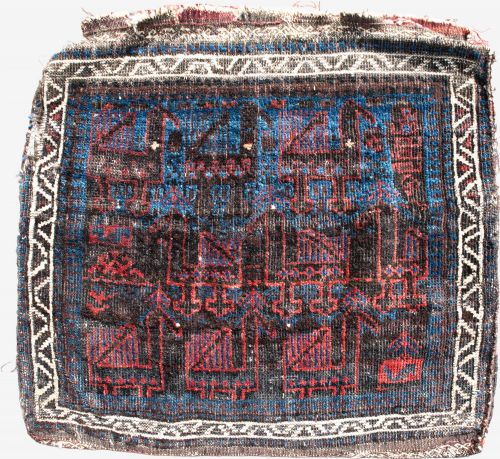
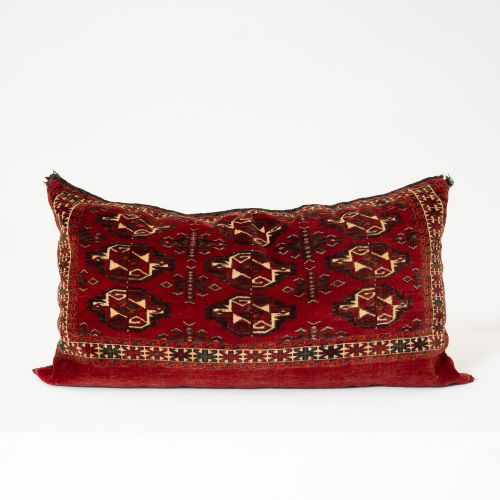
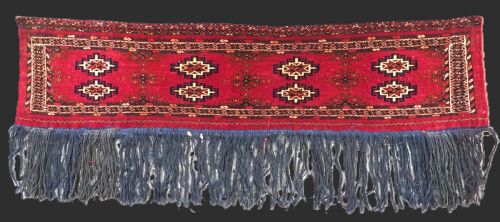
A handwoven wool bag encompasses utilitarian storage containers created by tribal groups across Persia, Central Asia, and Anatolia. These utilitarian objects served nomadic households for holding salt, tobacco, pipes, vanity items, or personal possessions during seasonal migrations.
The selections on this page span the late nineteenth and early twentieth centuries, reflecting diverse regionalweaving traditions. Most examples survive as bag faces or complete pouches originating from specific tribal confederacies such as the Qashqa'i, Afshar, Baluch, and Yomut Turkmen.
How they were made
Weavers utilised hand-spun wool, cotton foundations, and sometimes goat hair to construct these durable textiles on portable horizontal looms. Natural dyes provided the rich palette of reds, blues, and earth tones seen across the nomadic pieces.
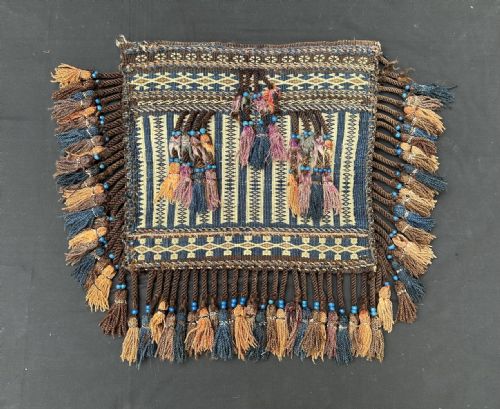
Craftspeople integrated supplementary techniques such as flatweave kilim structures, pile knotting, and warp-faced banding. Artisans occasionally embellished select utilitarian containers with cowrie shells and glass beads.
The listings on this page span from 1850 through the early 20th century, featuring wool, natural dyes, and cowrie shells.
What varies in quality
The standard of execution depends primarily on knot density, structural integrity, and the precision of geometric or tribal motifs. Fine weaves demonstrate exceptional control over the loom, resulting in crisp delineation of traditional patterns.
Material selection also dictates quality, particularly the use of lustrous hand-spun wool and stable natural dyestuffs that retain depth of colour over generations. Preserved original flatweave backs and complete construction elevate the integrity of surviving specimens.
The Handwoven Wool Bag Glossary
- Chuval
- A large Turkmen storage bag traditionally used for household goods inside a yurt. These tent bags often feature repeated major guls across the face.
- Torba
- A smaller Turkmen tent bag utilised for personal possessions or provisions. They frequently display intricate secondary motifs and complete plain-weave backs.
- Gul
- A primary medallion motif characteristic of Turkmen and Central Asian tribal weaving. Each distinct design often identifies the specific tribe or clan.
- Jollar
- A Turkmen hanging bag designed for utilitarian storage or camel adornment. These rectangular pieces exhibit balanced nomadic compositions.
- Tacheh
- A large flatwoven storage container produced by Persian nomads such as the Lori-Bakhtiari. They served practical transport functions during seasonal migrations.
Handwoven Wool Bag: Frequently Asked Questions
What were these bags used for?
Nomadic groups utilised these containers for storing salt, tobacco, pipes, and personal vanity items during seasonal travels. Larger versions served practical household storage needs inside tents.
Built for daily existence, the sturdy wool construction protected contents from moisture and heavy handling during transit across difficult terrain.
How do I identify tribal origins?
Specific design motifs, such as Turkmen guls or Afshar geometric layouts, point directly to particular tribal confederacies and regions. Structural details and colour palettes further clarify where a piece was woven.
Examining the weave type and secondary borders helps distinguish between Baluch, Qashqa'i, and Yomut workshops of the nineteenth and early twentieth centuries.
Can I display these on walls?
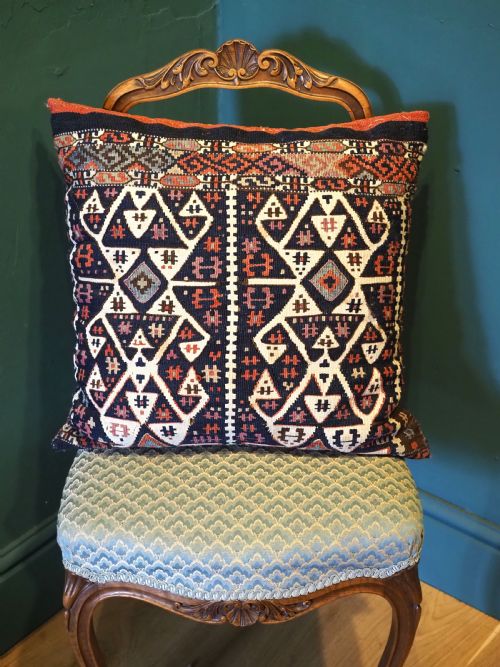
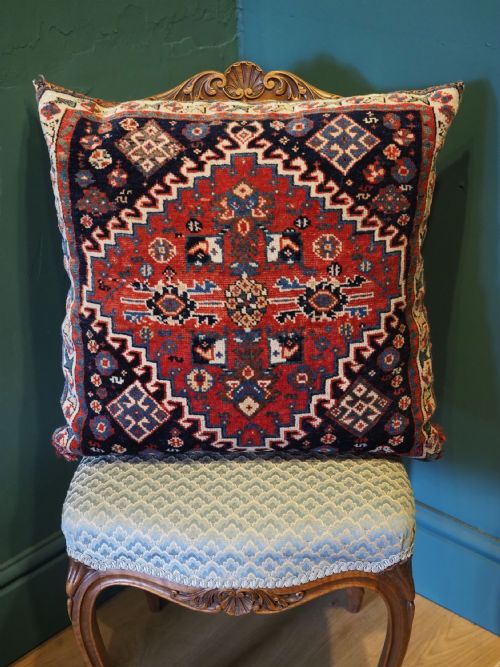
Many collectors mount complete bag faces or smaller pouches as textile art to preserve the historic weaving. Proper mounting distributes the weight evenly across the wool foundation.
Keeping them away from direct sunlight protects the natural dyes from fading over years of exhibition in a home.
Why do some have plain backs?
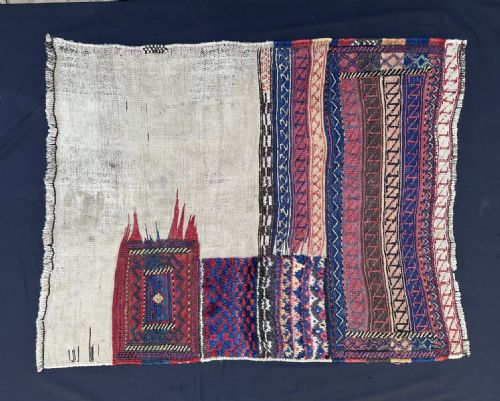
Many surviving examples are complete pieces retaining their original plain-weave wool backs, which added durability for daily suspension in tents. Others survive only as bag faces because the backing wore away through heavy utility.
Finding a specimen with its original backing intact offers a complete record of nomadic craftsmanship from the period.