


Handwoven Afghan Carpet
A handwoven afghan carpet brings tribal character and deep red wool into a room through centuries of nomadic weaving traditions.
Handwoven Afghan Carpet
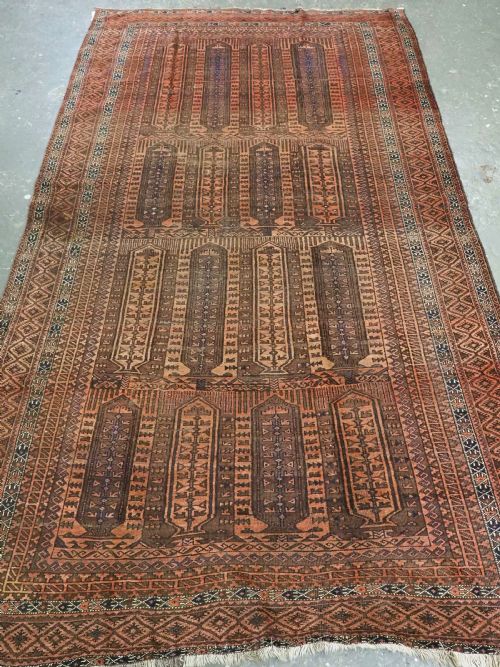
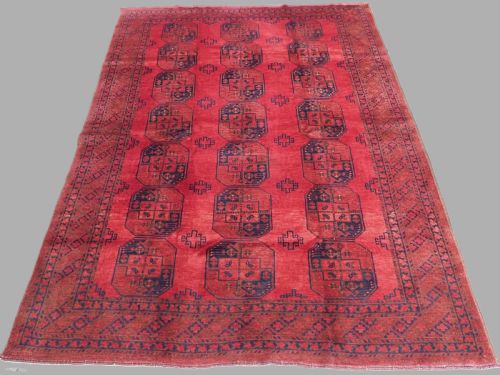
A handwoven afghan carpet encompasses tribal and village weaving traditions originating from nomadic and settled groups across the region. Buyers searching this phrase encounter formats ranging from large main carpets to smaller area rugs, runners, and flatweave kilims.
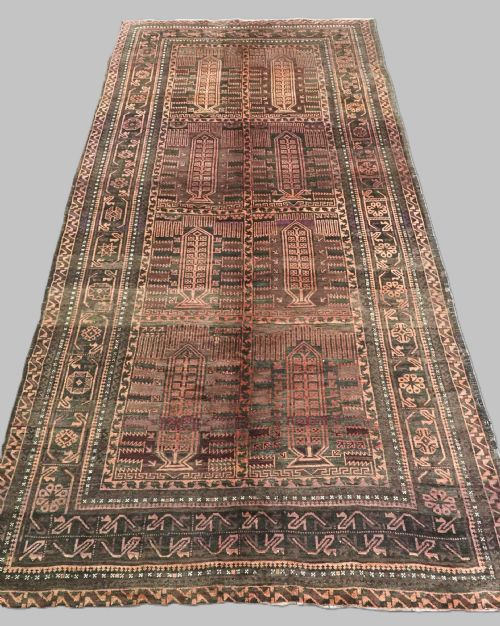
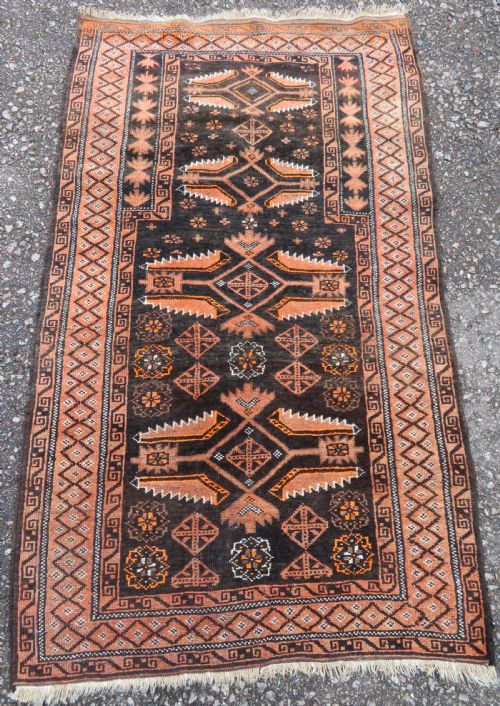
The pieces on this page span the nineteenth and twentieth centuries, including village works, prayer rugs, and Sofreh eating cloths. Tribal identifiers such as Baluch, Timuri, Taimani, and Ersari frequently appear alongside traditional village designs.
Village and tribal weavers produced these textiles for domestic utility, ceremonial use, or trade. Traditional formats often incorporate geometric motifs, prayer arches, and multi-part construction methods.
How they were made
Weavers utilised natural materials including hand-spun wool, camel hair, goat hair, and cotton foundations. Soft, glossy wool provides the pile for many village and tribal carpets.
Natural dyes produced the warm red, gold, and deep earth tones characteristic of these textiles. Skilled artisans combined pile knotting with flatweave techniques, occasionally creating carpets in two separate sections joined together.
Certain village rugs slip unexpected animals, figures, and dancing peacocks into traditional geometric borders.
What varies in quality
Quality rests upon the fineness of the weave, the handling of natural dyes, and the integrity of the materials. Dense knotting and well-prepared hand-spun wool separate masterworks from everyday utility pieces.
The depth and variation of natural dye colours contribute significantly to the visual character of a textile. Preserved kilim ends and intact selvedges indicate careful original construction and subsequent survival.
The Handwoven Afghan Carpet Glossary
- Kilim
- A flatwoven carpet or rug produced without a pile. These pieces rely on interlocking weft techniques to create geometric patterns.
- Prayer rug
- A small textile featuring a mihrab or niche design used historically for private devotion. These formats often display compact dimensions.
- Sofreh
- An eating cloth woven for domestic or ceremonial dining purposes. They frequently exhibit traditional tribal symbolism and flatweave construction.
- Mihrab
- An architectural arch design representing a prayer niche. Multiple arches grouped together form a seh mihrab layout.
- Seh mihrab
- A prayer rug design featuring three distinct arches or niches. This layout appears frequently in village and tribal weaving.
Handwoven Afghan Carpet: Frequently Asked Questions
How were these carpets used?
Nomadic and village communities utilised these textiles as floor coverings, tent furnishings, and sleeping mats. Specialised formats served specific domestic functions such as dining cloths or prayer focal points.
Heavier weaves provided insulation against cold ground surfaces in traditional dwellings. Finer pieces functioned as portable wealth and hospitality furnishings within tribal life.
How do I live with one?
Place these rugs in areas with moderate foot traffic to preserve the natural wool pile and structure. Natural fibres benefit from regular gentle cleaning and rotation to ensure even wear.
Keep them away from prolonged direct sunlight to protect the natural dyes. A suitable underlay prevents slipping and cushions the foundation fibres.
How do I tell periods apart?
Nineteenth-century examples often display deeper, more saturated natural dye palettes and softer, highly lustrous wool. Earlier pieces frequently show organic irregularities inherent in hand-spun materials.
Twentieth-century village weaving tends toward standardised village designs and sturdier utilitarian construction. Structural clues such as two-part joins and long kilim ends help place pieces within specific decades.
What are tribal designs?
Tribal designs reflect the distinct visual heritage of specific groups such as the Baluch, Ersari, and Timuri. These patterns rely on geometric motifs, animal figures, and repeating medallions passed down through generations.
Weavers adapted these traditional symbols to express clan identity and local folklore. Variations in border patterns and colour combinations help distinguish one tribal tradition from another.