



Persian Tribal Floor Mat
A persian tribal floor mat brings authentic nomadic character into a room through dense wool and traditional village designs.
Persian Tribal Floor Mat
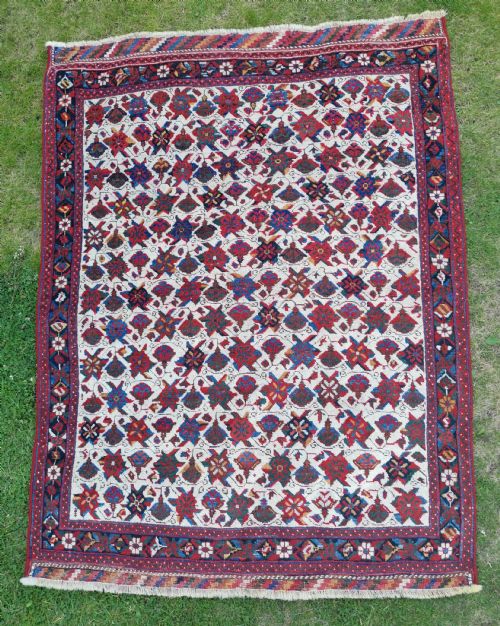
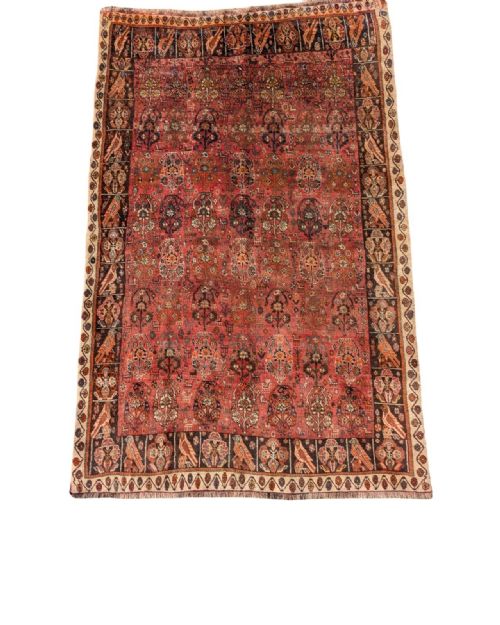
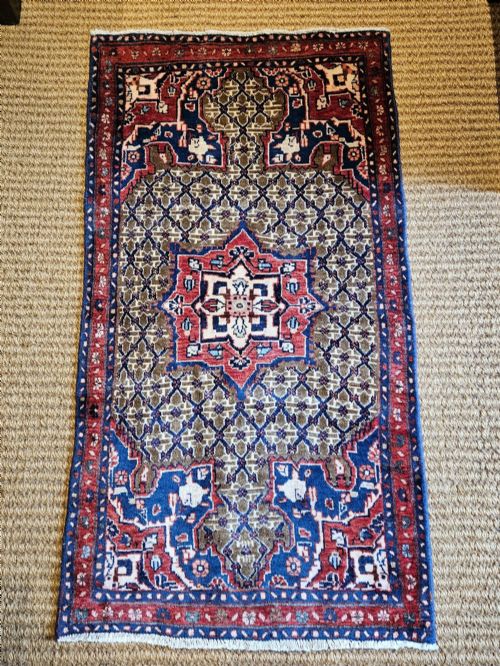
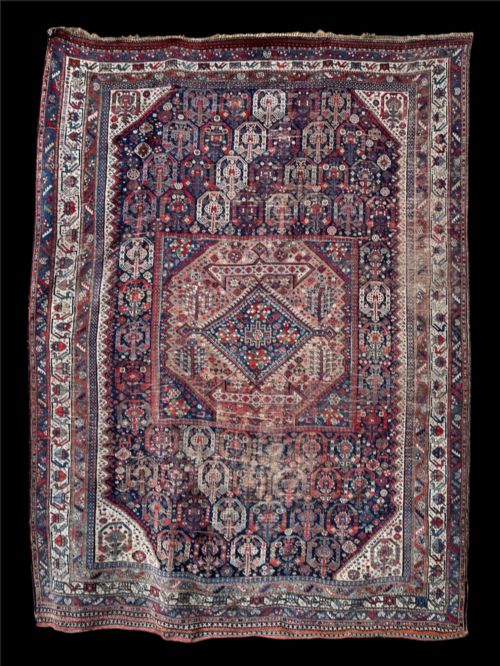
A persian tribal floor mat is a practical floor covering born from nomadic and village traditions across the region. When searching this phrase, buyers encounter hand-knotted room carpets, smaller hearth-sized pieces, hallway runners and utility saddlebags originating from various tribal confederacies and districts.
The selections span from the late nineteenth century through the early decades of the twentieth century. Common formats include distinctive geometric village rugs, medallion room carpets and flat-woven kilims produced by makers working in traditional styles.
Pieces originating from specific tribal groups such as the Afshar, Kashgai, Khamseh and Baluch appear frequently alongside regional workshop productions from Heriz, Karaja and Hamadan. These floor coverings bridge the gap between functional household items and historic textile art.
How They Were Made
These floor coverings rely fundamentally on natural wool for the pile and foundation structure, often paired with cotton for warp and weft threads in village pieces. The materials are hand-spun and hand-woven to create durable textiles designed to withstand daily domestic use.
Weavers employ traditional knotting techniques on vertical looms, building up geometric and floral lattice patterns row by row. Natural dyes impart deep tones of red and blue alongside contrasting ivory and dark grounds that define the visual character of each rug.
Listings feature wool and cotton materials across nineteen-century and early twentieth-century periods.
What Varies in Quality
Quality in these textiles rests on the precision of the knotting and the density of the wool pile. Finer weaves allow for sharper definition in complex geometric motifs and intricate repeat patterns across the field.
The integrity of the foundation and the preservation of the original borders and selvedges dictate the durability and structural merit of an individual carpet. Variations in the depth of the palette and the complexity of the design distinguish standard village output from exceptional tribal commissions.
Afshar Tribe·Kashgai Tribe·Baluch Tribes
The Persian Tribal Floor Mat Glossary
- Wool
- The primary animal fibre utilised for the pile and foundation of traditional woven rugs. It provides natural resilience and retains rich dye colours over decades of use.
- Kilim
- A flat-woven textile produced without a pile, frequently created as a utility hanging or floor covering. These pieces feature sharp geometric transitions created by interlocking the weft threads.
- Saddlebag
- A utilitarian dual-pouch container woven by nomadic groups for transport on animals. These functional items often survive as smaller collectable fragments or complete decorative panels.
- Gul
- A repeating medallion or octagonal motif found frequently in nomadic and tribal weaving traditions. It serves as a tribal identifier and a core structural element in the field design.
- Warp
- The stationary vertical threads stretched tightly on the loom that form the skeletal foundation of the rug. Fringe ends typically consist of these extended warp threads.
Persian Tribal Floor Mat: Frequently Asked Questions
What is a persian tribal floor mat?
A persian tribal floor mat is a hand-knotted or flat-woven textile produced by nomadic weavers and village communities. These pieces feature characteristic geometric patterns and traditional regional designs.
They serve as durable floor coverings that bring historical textile artistry and warmth into domestic interiors.
How do I identify a tribal rug?
Tribal rugs typically display geometric motifs, repeating small octagons, and asymmetrical village designs rather than formal court-style compositions. The use of dense wool and traditional red and blue palettes is widespread.
Examining the structural weave on the reverse often reveals irregular knotting characteristic of nomadic production.
Where were these rugs made?
These textiles originate from various regions and tribal territories across Persia, including Khorasan, Shiraz, and north-west districts. Different confederacies and villages developed distinct colour combinations and motif repertoires.
Nomadic groups moved seasonally, carrying their upright looms and incorporating local surroundings into their weaving.
How should I care for an antique rug?
Protect the textile by placing it in low-moisture areas out of direct sunlight to prevent dye fading. Regular gentle vacuuming without a rotating brush roll keeps the wool pile clean.
Using a suitable underlay prevents slipping and reduces friction between the floor and the antique foundation.