
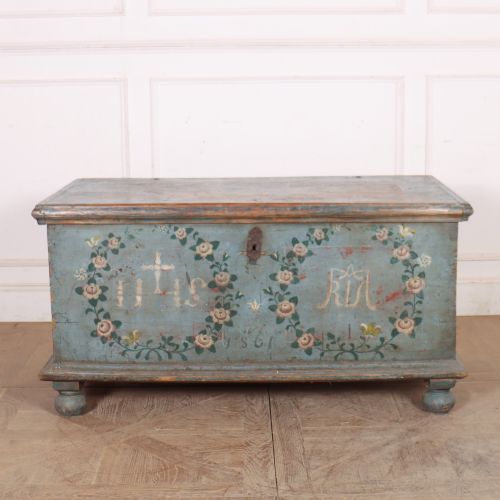

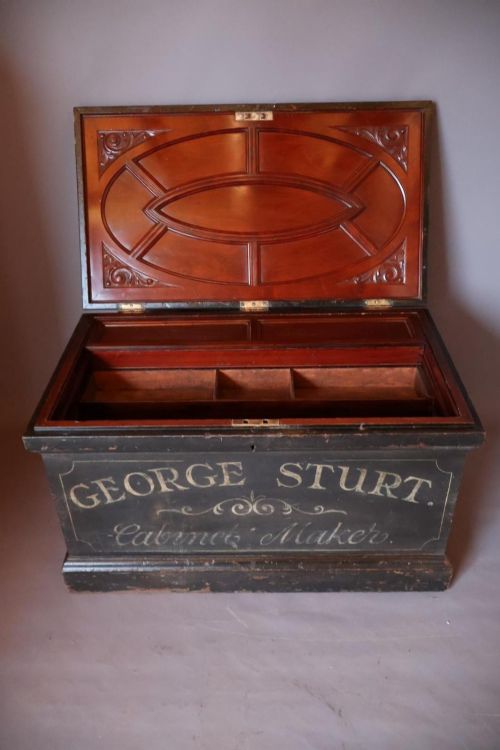


Hand Painted Wooden Chest
A hand painted wooden chest brings together the utility of storage and the expressive character of decorative folk art.
Hand Painted Wooden Chest
When you search for a hand painted wooden chest, you encounter a wide variety of storage forms shaped by different regional traditions and domestic uses. These pieces range from large marriage trunks and blanket boxes to smaller deed boxes, tea caddies, and drawer chests originating across British, European, Scandinavian, and Asian workshops.
The selections available span multiple centuries, taking physical shape in forms such as dome-top coffers, strong boxes, and bedside storage. They serve as functional household containers while displaying rich decorative surfaces that reflect the local aesthetics of their period of origin.
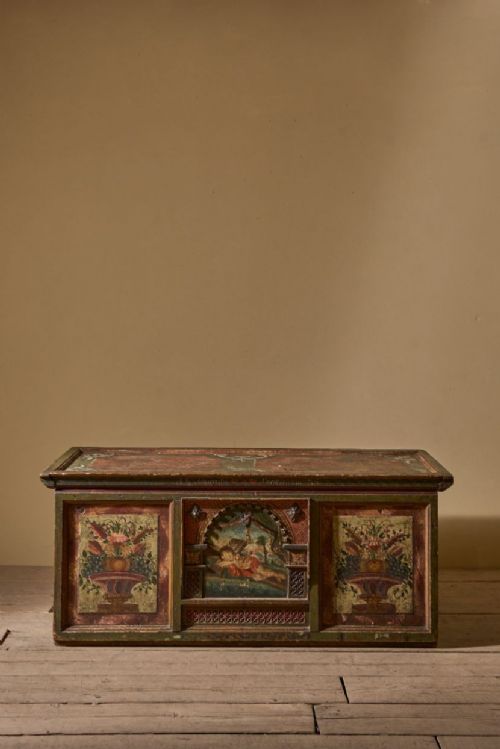
The hand painted wooden chest most frequently met on this page carries the hallmarks of regional folk art, particularly Scandinavian country designs, Hungarian pine boxes, and Victorian decorative treatments. These survivors demonstrate how everyday utility objects were elevated through applied pigment and ornamental ironwork.
How they were made
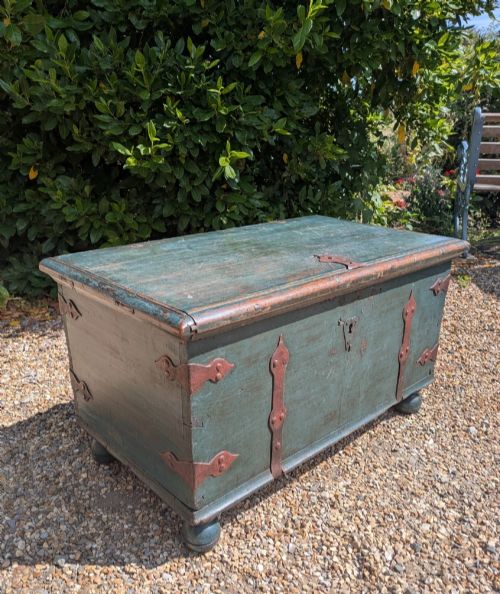
Makers constructed these storage pieces primarily from sturdy softwoods like pine alongside hardwoods such as mahogany, oak, ash, and satinwood. Boards were joined using traditional methods and reinforced where necessary with hand-forged iron strapwork or brass fittings.
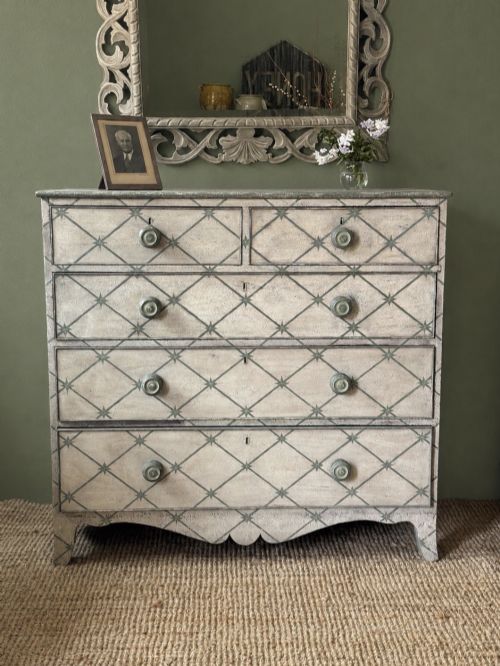
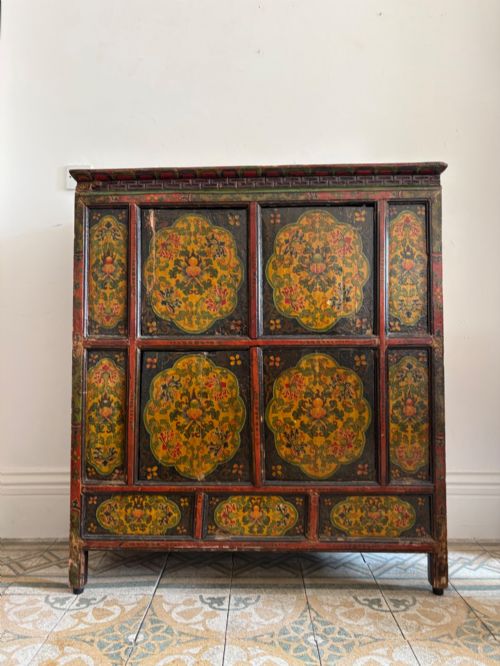
Surface decoration relied on applied paint and pigments, often applied directly over the bare wood or a prepared ground. Artisans utilised brushwork to create floral motifs, Chinoiserie scenes, simulated wood grains, and traditional folk art patterns.
Hardware played both a structural and decorative role, featuring hand-wrought iron hinges, corner brackets, and locks. The combination of durable timber, forged metal, and hand-applied pigment ensured these containers could withstand generations of daily use.
Listings feature regional pieces spanning the eighteenth, nineteenth, and early twentieth centuries, constructed from pine, oak, mahogany, and ash.
What varies in quality
The distinction between ordinary and exceptional pieces rests primarily on the integrity of the original surface and the skill of the brushwork. Retaining the authentic early pigment layer without heavy later repainting elevates a piece significantly.
Gemla Fabrikers
The Hand Painted Wooden Chest Glossary
- Marriage trunk
- A large storage chest traditionally commissioned to mark a wedding, frequently personalised with dates, initials, or symbolic floral folk art.
- Strapwork
- Flat strips of metal, often iron or brass, fastened across the exterior of a chest to reinforce the joints and protect the corners.
- Chinoiserie
- A European decorative style that imitates Chinese artistic traditions, featuring hand-painted motifs of figures, landscapes, and pavilions.
- Strong box
- A heavy security chest, typically constructed from thick timber and iron bindings, designed to safeguard valuable documents and currency.
- Folk art
- Utilitarian items decorated by self-taught or local artisans using traditional regional motifs rather than academic fine art conventions.
Hand Painted Wooden Chest: Frequently Asked Questions
What were these chests originally used for?
These chests served practical domestic needs, storing household textiles, personal clothing, valuable documents, and dry goods. Larger trunks accommodated heavy blankets and wedding dowries, while smaller boxes held tea, tools, or legal papers.
Over time, many functioned as stationary furniture pieces within the home, combining everyday utility with decorative display in hallways, bedrooms, and living spaces.
Are painted finishes usually original?
Many surviving pieces retain their early or original paint layers, though numerous items underwent redecoration or touch-ups during their long working lives. Examining the craquelure, wear patterns, and pigment composition helps determine the age of the surface layer.
A genuinely untouched early painted surface displays natural fading and integration with the underlying timber that modern restoration struggles to replicate.
How should I care for a wooden chest?
Keep wooden chests out of direct sunlight and away from rapid temperature shifts to prevent the timber from warping and the painted surface from flaking. Dust gently with a dry or slightly damp cloth without applying modern chemical polishes.
Allowing the wood to breathe and maintaining a stable indoor climate ensures both the structural integrity of the joints and the preservation of fragile historic pigments.