




Antique Miniature Dresser
An antique miniature dresser is a small-scale piece of furniture that brings fine cabinet-making into a compact form, offering a tangible link to past domestic life.
Antique Miniature Dresser
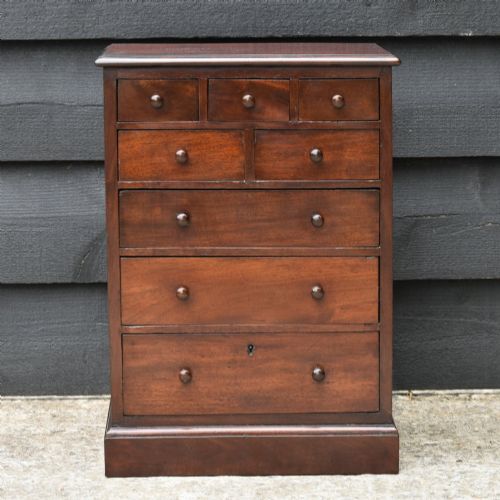
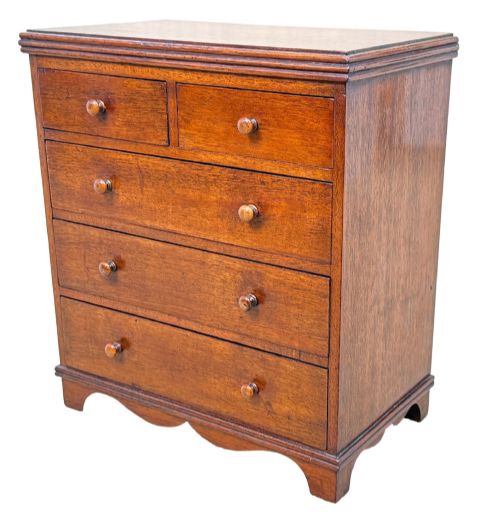
An antique miniature dresser takes many forms across this selection, ranging from Welsh folk art to French painted pieces and Gustavian models. These objects capture the proportions and details of full-size furniture in a fraction of the space.
Buyers encounter variations such as court cupboards, apprentice pieces, and bureau-style cabinets. The items span the eighteenth, nineteenth, and early twentieth centuries, reflecting diverse regional styles from Scotland, England, and the Continent.
Most examples function as small display units, trinket holders, or decorative cabinets. Their small scale allows them to sit easily on tabletops or shelves within modern rooms.
Materials and construction methods
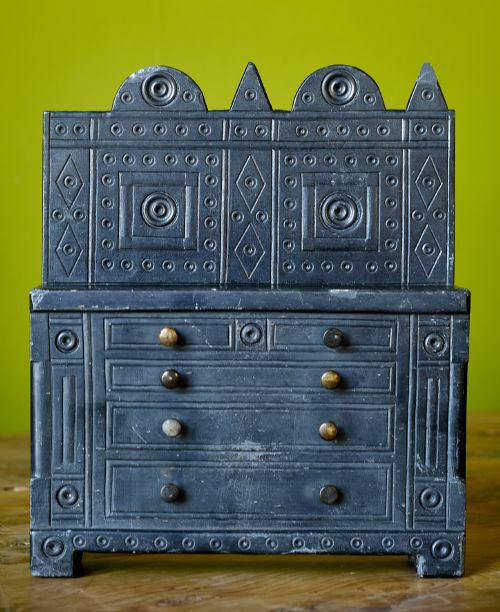
Makers utilised solid timbers like oak, mahogany, pine, and burr oak to construct these small vessels, often matching the primary woods of their full-size counterparts. Some items incorporate regional materials such as carved slate or painted finishes.
Joinery techniques mirror standard cabinet-making, with dovetailed drawers, panelled doors, and turned feet executed on a miniature scale. Folk art variants introduce tramp art carving and applied wooden layers for texture.
Antique Miniature Dresser Retail Price Guide 2026
Typical asking prices for miniature dresser among the pieces listed under this phrase on Sellingantiques today, from the lower quarter to the upper quarter. They describe what is for sale here now, not the wider market.
The listings combine British and continental pieces, uniting eighteenth-century oak court cupboards with nineteenth-century mahogany chests and folk art slate models.
Assessing quality in miniature furniture
The standard of execution depends heavily on the precision of the joinery and the fidelity of the proportions. Finer examples maintain accurate scaling in cornices, mouldings, and drawer operation, whereas simpler folk art pieces rely on rustic charm and direct carving.
Material selection alters the character of the object, with figured timbers like burr oak and well-grained mahogany marking out the more ambitious workshops. Original surfaces and untouched hardware elevate the standing of a piece.
The Antique Miniature Dresser Glossary
- Apprentice piece
- A small item of furniture made by a trainee to demonstrate skill to a guild or master. These often duplicate full-size designs with exact detailing.
- Court cupboard
- A short, enclosed piece of furniture featuring upper and lower tiers with cupboards. In miniature form, it replicates the heavy timber construction of earlier centuries.
- Tramp art
- A style of woodwork involving chip-carving layers of scrap wood, often cigar boxes, into geometric patterns. It appears frequently in folk art models and small cabinets.
- Gustavian style
- The Swedish interpretation of French neoclassical design, characterised by pale painted finishes and restrained ornamentation. It provides a lighter aesthetic within miniature case pieces.
- Bow front
- A convex, curved front on a chest of drawers or dresser base. This curved woodwork requires advanced skill to execute correctly on a small scale.
Antique Miniature Dresser: Frequently Asked Questions
What is an apprentice piece?
An apprentice piece is a small-scale model created by a craftsman in training to prove his competence to a trade guild. These items were built with the same care and joints as full-sized furniture.
Today, they are collected as prime examples of fine miniature cabinet-making from the eighteenth and nineteenth centuries.
How were miniature dressers used?
Historic miniature dressers served various domestic roles, from desktop display furniture to containers for small valuables, coins, or sewing implements.
Some functioned as salesman's samples to demonstrate wares to prospective clients without transporting heavy furniture.
Where were these pieces made?
The pieces originate from across Britain and continental Europe, including regional workshops in Scotland, Wales, France, and Sweden. Each region applied local woods and decorative traditions to the small scale.
Local materials like Welsh slate or French painted finishes help identify their geographic origins.
How do I date a miniature?
Dating relies on identifying the primary wood, construction methods, and stylistic cues shared with full-size furniture of the same era. For instance, Georgian pieces show different proportions and mouldings compared to Edwardian or Victorian examples.
Hardware types and secondary woods inside the drawers also offer clues to the period of manufacture.
How do I care for antique miniatures?
Keep wooden pieces away from direct sunlight and sudden temperature shifts to prevent the timber from splitting or warping. Dust them gently with a dry, soft cloth rather than using liquid polishes.
Stable indoor humidity preserves both painted surfaces and exposed wood.