

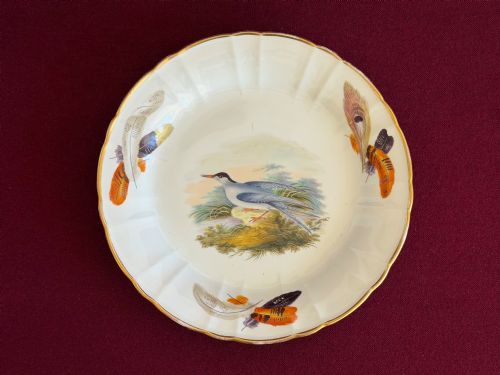
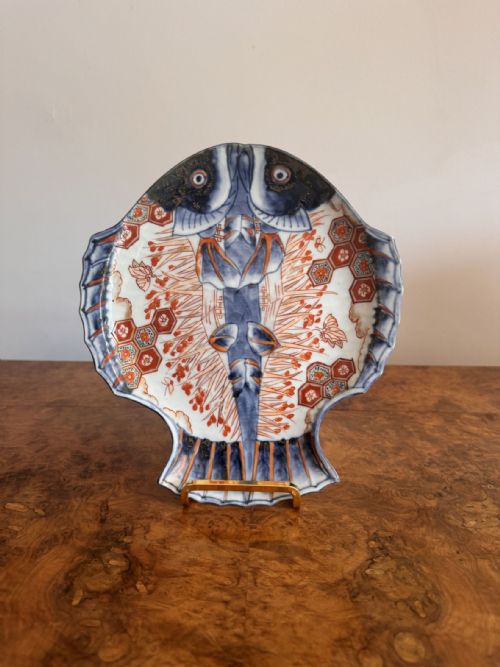
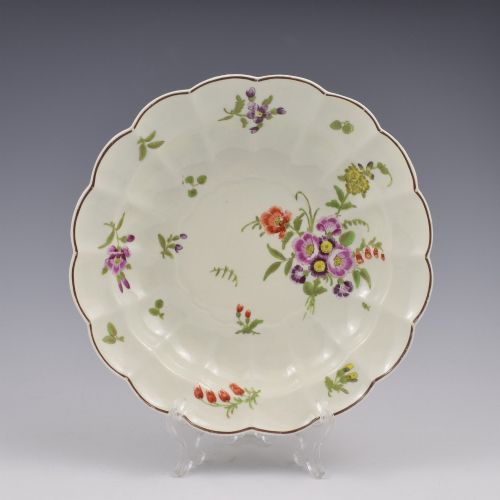
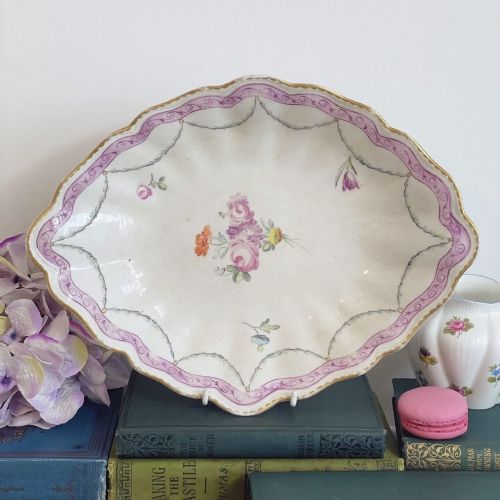
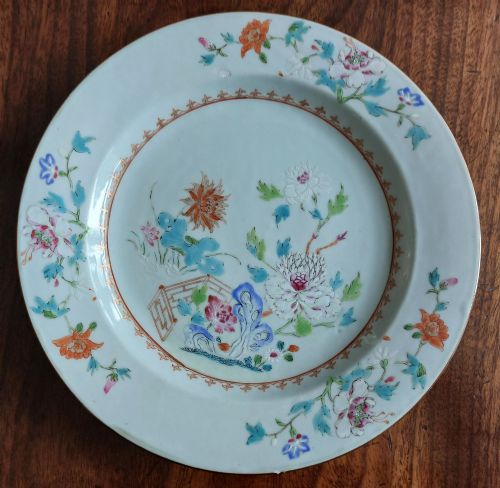
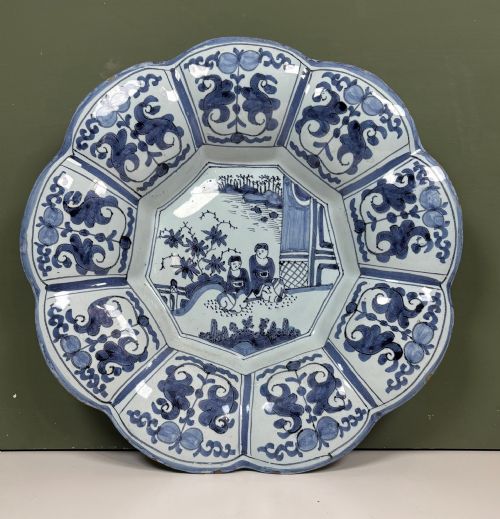

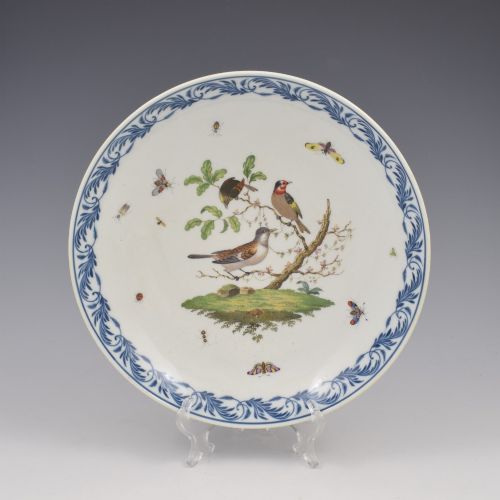
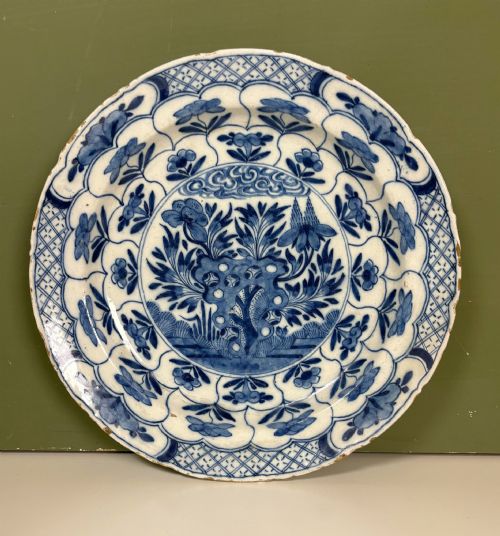
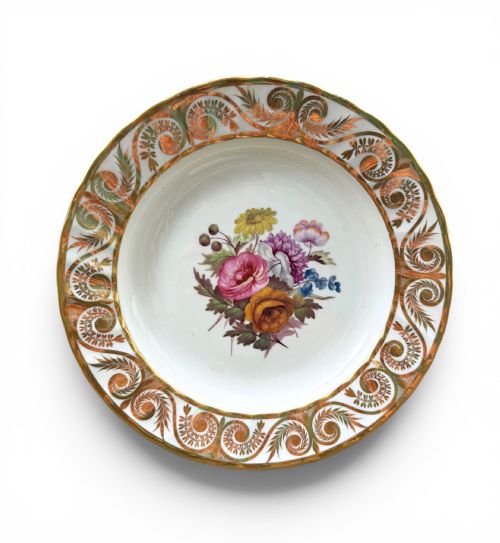
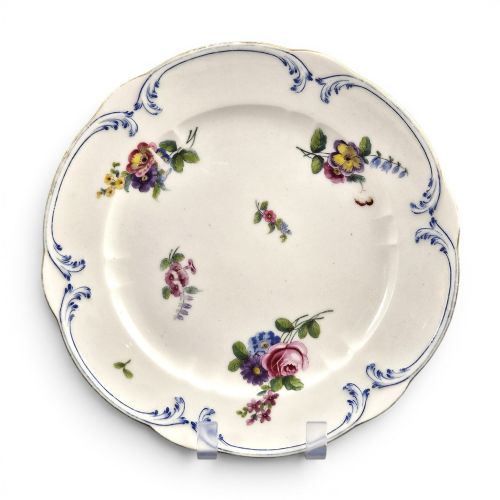
Hand Painted White Plate
A hand painted white plate brings together the discipline of white ground ceramics and the intimacy of hand applied pigment across centuries of domestic display.
Hand Painted White Plate
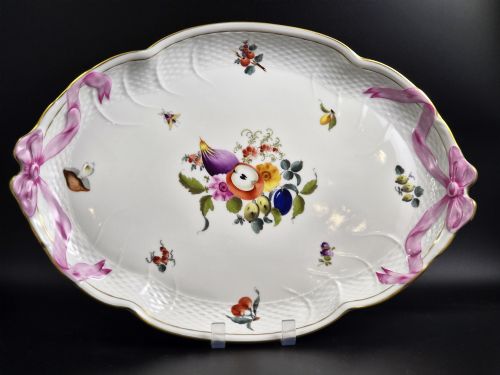
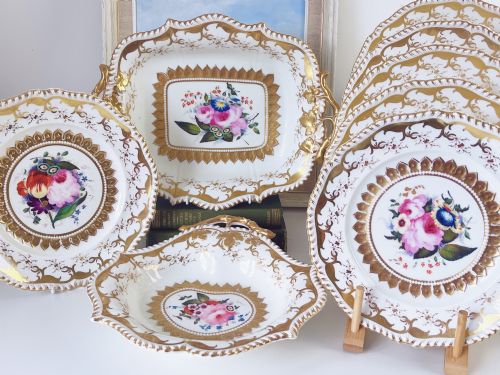
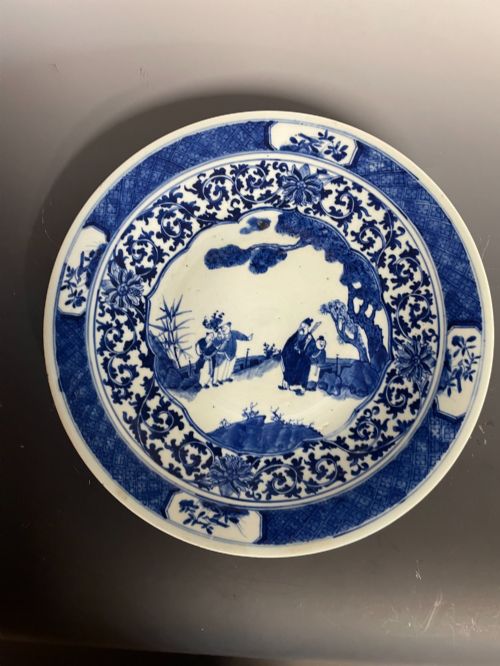
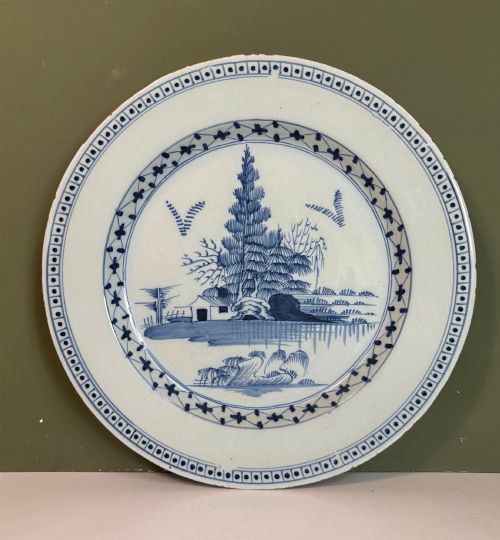
A hand painted white plate spans utilitarian tableware and decorative display pieces originating from British, European, and Asian kilns. When exploring a hand painted white plate selection, you encounter forms ranging from flat cabinet chargers to lobed dessert dishes and deep tin glazed basins.
The material ground shifts between refined porcelain, bone china, earthenware, and tin glazed faïence across the eighteenth, nineteenth, and twentieth centuries. These surfaces carry everything from botanical watercolours and ornithological studies to blue and white landscapes and geometric Orientalist patterns.
Materials and Manufacture
Potters formed these pieces using soft paste and hard paste porcelain, bone china, or earthenware, which were subsequently fired and coated in a white glaze or tin glaze. This opaque white layer served as a blank canvas for artists working with mineral pigments and metallic oxides.
Painters applied polychrome enamels, cobalt blue, or gold leaf by hand before subjecting the ceramics to a final kiln firing to fuse the decoration into the glossy surface.
Listings span Earthenware, Porcelain, and Tin-Glazed Earthenware across the eighteenth, nineteenth, and twentieth centuries.
Assessing Craft and Execution
The distinction between standard domestic ware and exceptional cabinet pieces rests upon the precision of the brushwork and the clarity of the white glaze ground. Superior examples display confident, individual artist marks, crisp botanical or ornithological detail, and controlled gilding rather than repetitive stencilling.
The purity of the porcelain paste, the absence of kiln distortion in large chargers, and the sophistication of the palette separate mass produced factory output from master ceramic production.
Grainger Lee And Co·Royal Bonn·Meissen·Barr Flight And Barr·Royal Worcester
The Hand Painted White Plate Glossary
- Tin-Glazed Earthenware
- Pottery covered with a white tin oxide glaze that provides an opaque surface for painted decoration. This technique defines traditional Delft and faïence production.
- Dessert Service
- A matched set of plates, dishes, and bowls designed specifically for serving the final course of a formal meal. These often feature botanical or ornithological hand painted motifs.
- Charger
- A large decorative plate or dish utilised primarily for display on a sideboard or table centre rather than for individual dining. Many historical examples measure considerable diameters.
- Soft-Paste Porcelain
- An artificial porcelain composition fired at lower temperatures than hard paste, developed in European factories during the eighteenth century. It yields a warm, translucent body.
- Gilt
- Application of gold leaf or powdered gold onto the ceramic surface, frequently used to highlight rims, borders, and painted motifs.
Hand Painted White Plate: Frequently Asked Questions
How should I display my plate?
Large chargers and cabinet plates suit wall mounting using specialised wire hangers or placement on sturdy plate stands within enclosed cabinets. This keeps them safe from accidental knocks while allowing proper appreciation of the painted surface.
Position display locations away from direct, harsh sunlight to protect the integrity of delicate enamel pigments and gilt highlights over long periods.
Can I use these plates for dining?
Most antique decorative plates and fragile porcelain pieces remain better suited for visual display rather than daily culinary use. Age related wear, fine glaze crazing, and precious gold leaf can suffer under regular washing and cutlery contact.
If you choose to use them for special occasions, wash them by hand gently in lukewarm water using mild soap, avoiding dishwashers entirely.
How do I date an antique ceramic?
Dating relies upon examining the physical characteristics of the paste, the composition of the glaze, and any painted or impressed factory marks on the underside. Stylistic cues such as Regency borders or Aesthetic movement motifs also narrow down the era of manufacture.
Reference marks against standard ceramic literature to distinguish genuine period pieces from later commemorative reproductions.
What causes crazing on white glazes?
Crazing appears as a fine network of tiny cracks across the glassy surface, caused by the ceramic body and its glaze expanding and contracting at different rates over time. It frequently occurs naturally in older earthenware and tin glazed pieces.
While crazing does not necessarily indicate structural weakness, it does permit moisture penetration, which requires careful handling during cleaning.