




Antique Putti Ceramic
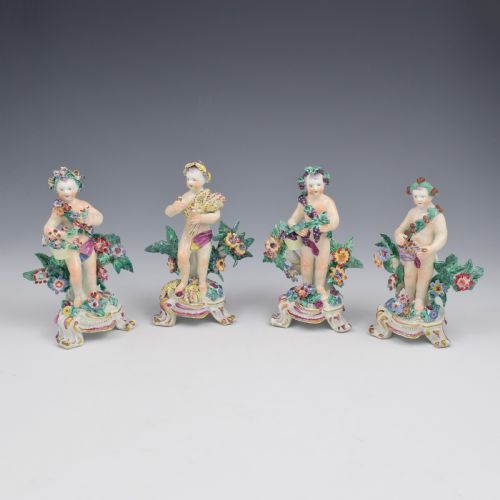
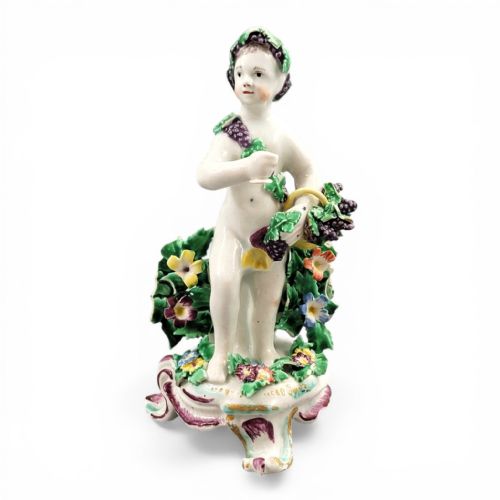
These antique putti ceramic pieces capture winged infants in porcelain and earthenware, bringing spirited figural charm to mantelpieces and tables.
Antique Putti Ceramic
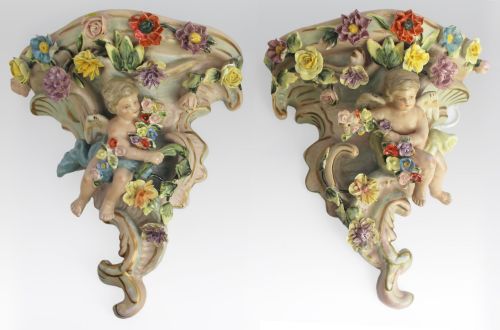
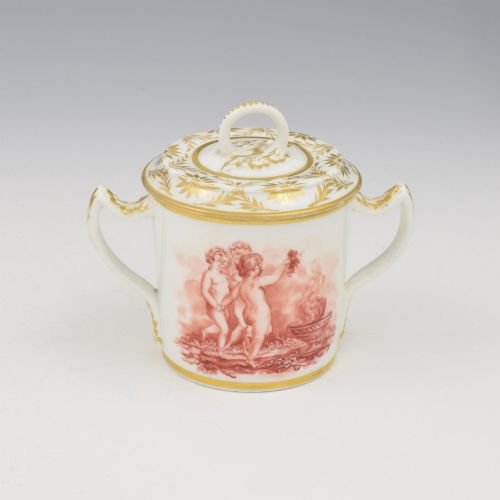
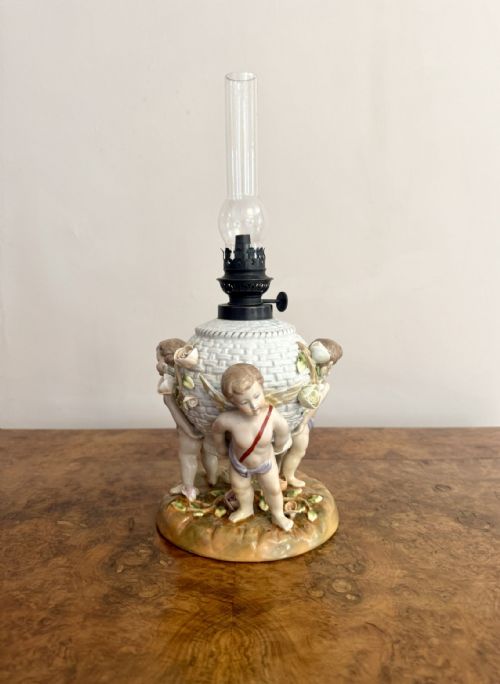
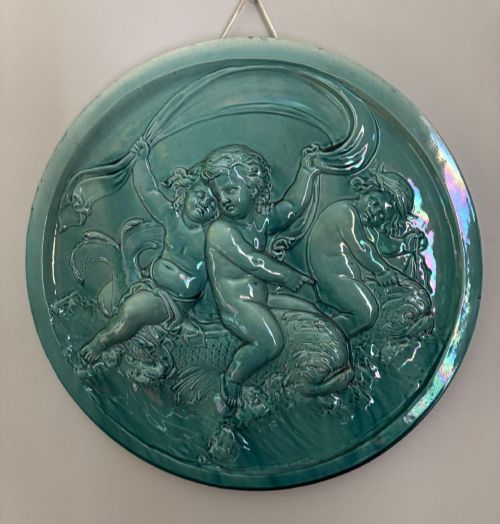
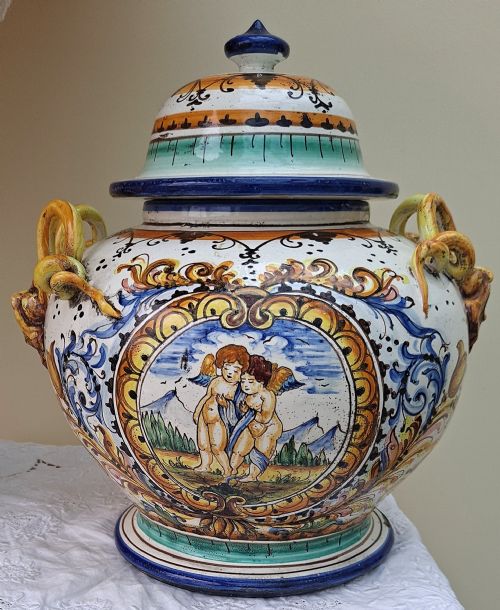
When searching for antique putti ceramic, collectors encounter figures, centrepieces, wall brackets, and lamps depicting winged infants derived from classical art. These representations appear across multiple European traditions, taking the form of standalone allegorical figures, candleholders, or decorative elements applied to mirrors and vases.
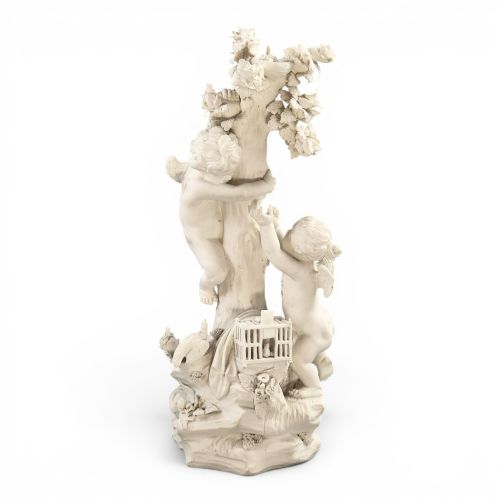
The objects span periods from the Georgian era through the Victorian period and into the Edwardian years. Pieces range from early Bow and Derby biscuit figures to later German porcelain centrepieces and Continental mirrors.
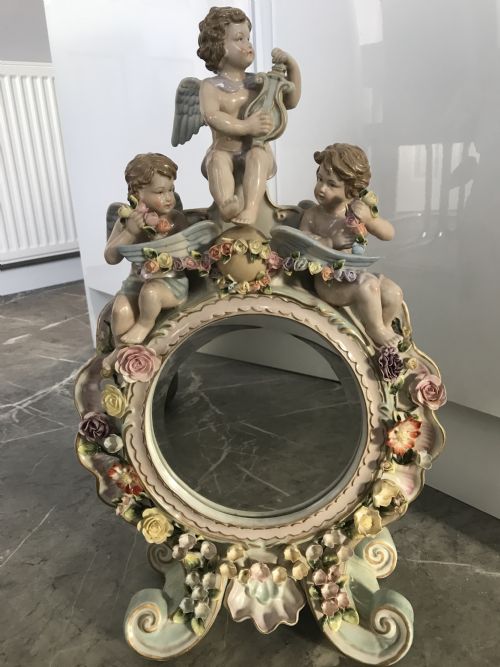
The most common items met on this page are Continental porcelain figures and German table centrepieces featuring moulded cherubs amidst applied flowers or gilt details. These items reflect the enduring popularity of Rococo and Renaissance revival styles across the nineteenth and early twentieth centuries.
Materials and methods
Manufacture relies primarily on porcelain and earthenware bodies, shaped through moulding or slip casting. Factories utilised glazes, enamel colours, and occasional gold leaf or gilt highlights to define details on the figures and their surrounding floral or architectural elements.
Listings feature porcelain and earthenware pieces spanning the eighteenth century, the Victorian era, and the Edwardian period.
Assessing quality
Distinctions in quality rest upon the crispness of the modelling and the precision of the hand-painting. Superior examples display sharply defined facial expressions, delicate fingers, and cleanly applied polychrome enamel or blanc de chine surfaces.
Meissen·Bloor Derby·Sitzendorf·Clement Messier·Royal Dux Bohemia·Paul Scheurich·Bow Porcelain·Minton·Edme Samson·Enoch Wood and Sons·Schierholz Plaue·Royal Worcester·Reginald Robert Tomlinson·Volkstedt·KPM Berlin·Bernhard Bloch·Veuve Perrin·Kerr and Binns
The Antique Putti Ceramic Glossary
- Putto
- A representation of a plump, naked male child, often winged, originating in classical art and revived during the Renaissance. These figures appear frequently in European porcelain as allegorical representations or decorative motifs.
- Biscuit porcelain
- Unglazed porcelain fired once to produce a matte, white surface resembling marble. This finish was favoured by factories such as Derby for classical figures.
- Centrepiece
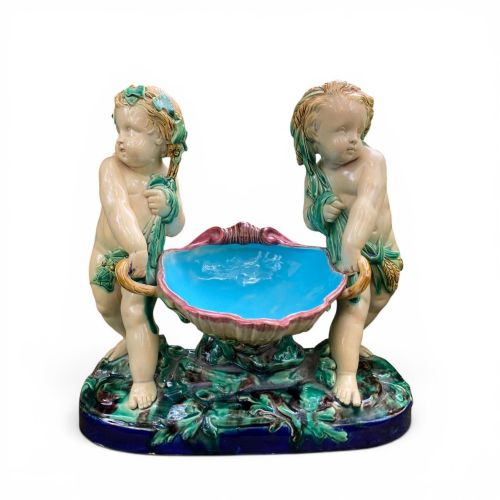
- A large decorative object placed in the middle of a dining table or console. In ceramics, these often incorporate elaborate bowls supported by or surrounded by multiple putti figures.
- Majolica
- Earthenware covered with an opaque tin glaze and painted with bright metal oxide colours. This technique gained widespread use during the Victorian era by factories like Minton.
- Blanc de chine
- A French term for white porcelain produced without coloured glaze. The style highlights the purity of the ceramic paste and the fine contours of the moulded figures.
Antique Putti Ceramic: Frequently Asked Questions
What is a putto?
A putto is a small, winged infant figure frequently depicted in art and sculpture. Derived from classical antiquity, the motif symbolised various allegorical concepts.
In ceramics, these figures appear individually or in groups, often representing seasons, elements, or musical themes.
How were ceramic putti used?
These ceramic pieces served primarily as decorative ornaments for wealthy interiors. They adorned mantelpieces, dining tables, and dressing areas.
Many functioned as candlesticks, lamps, centrepieces, or architectural wall brackets, combining utility with sculptural display.
How can I tell eighteenth-century figures apart from later copies?
Early pieces from factories like Bow or Derby exhibit distinct paste characteristics, hand-mixed enamel colours, and historical potting marks. Later revival pieces often display heavier glazes and mechanical precision.
Examining the underside, base wear, and painting style helps differentiate original eighteenth-century production from nineteenth-century Meissen style revivals.
What styles influence antique ceramic putti?
The pieces draw heavily from Rococo, Renaissance, and Victorian revival styles. Makers frequently reinterpreted earlier eighteenth-century designs during the nineteenth century.
This stylistic borrowing created overlapping aesthetics, ranging from ornate Rococo gilt brackets to clean Art Nouveau figural groupings.