





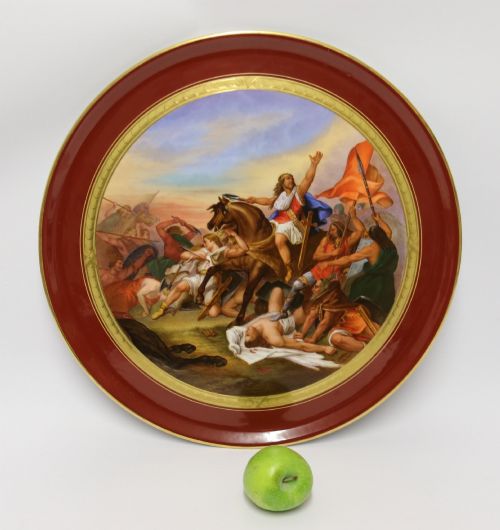
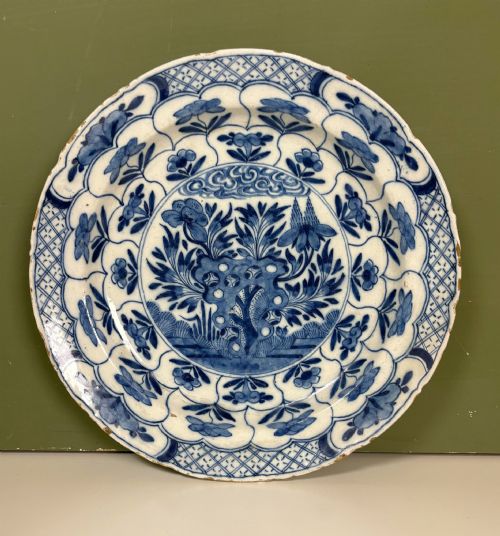
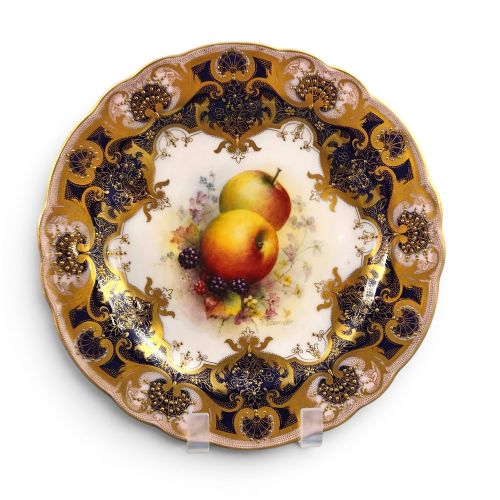
Hand Painted Wall Charger
A hand painted wall charger turns a blank vertical surface into a focal point using centuries of ceramic artistry.
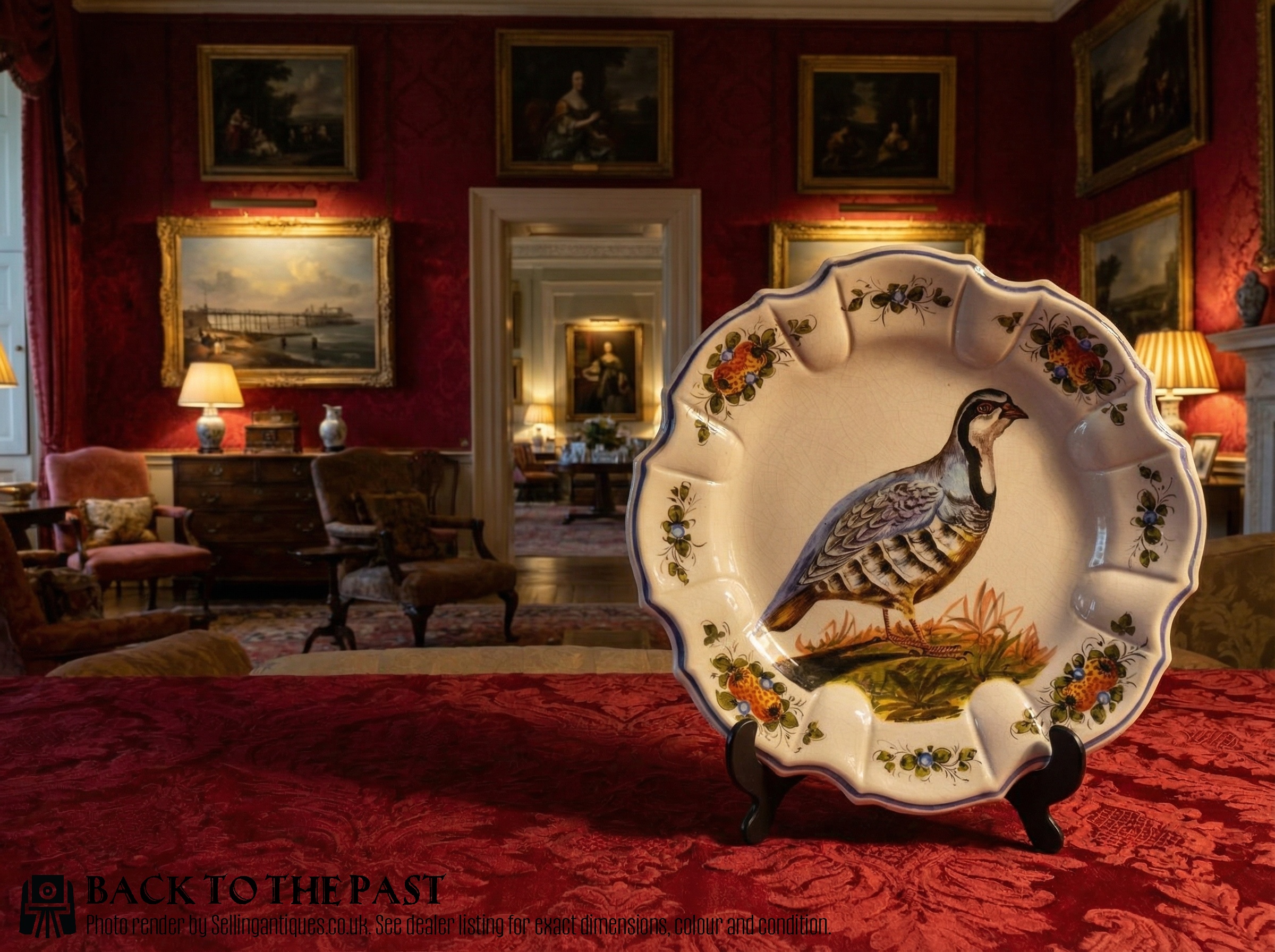
Hand Painted Wall Charger
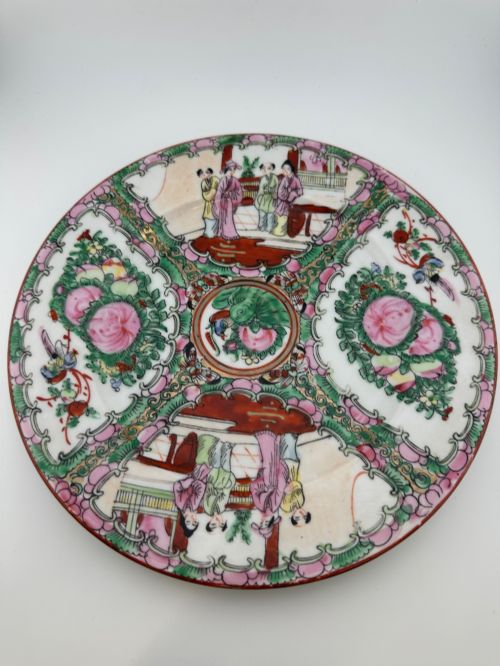
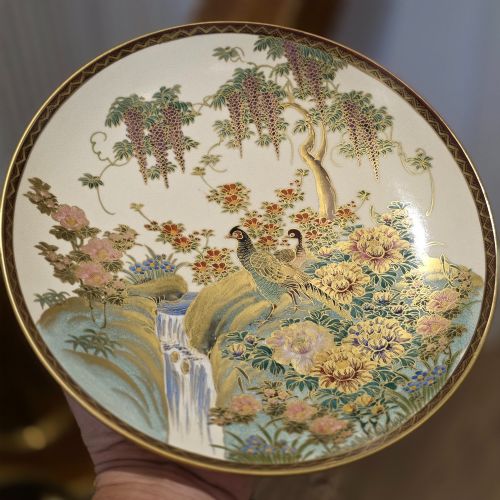
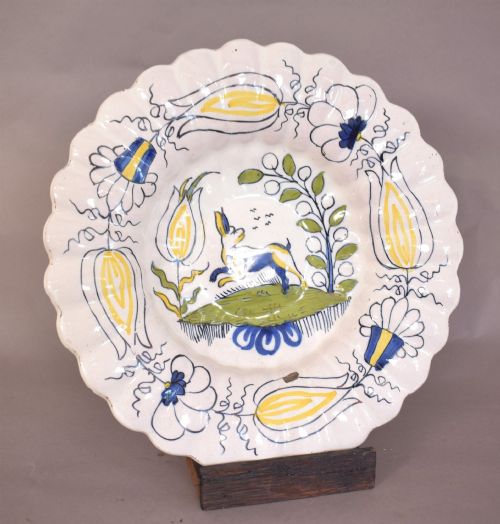
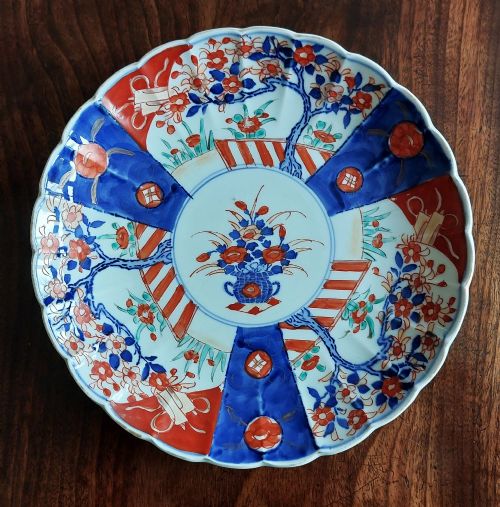
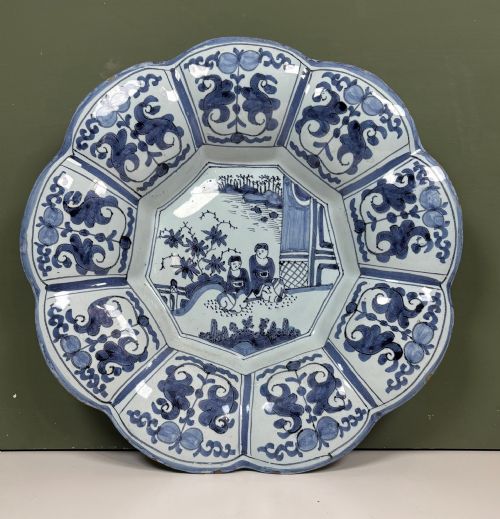
A hand painted wall charger represents a large decorative plate or dish intended primarily for display rather than dining. When you search for this phrase, you encounter substantial ceramic rounds designed to be hung or mounted. The items span various traditions, from seventeenth-century tin-glazed earthenware to nineteenth-century Japanese Imari and European porcelain.
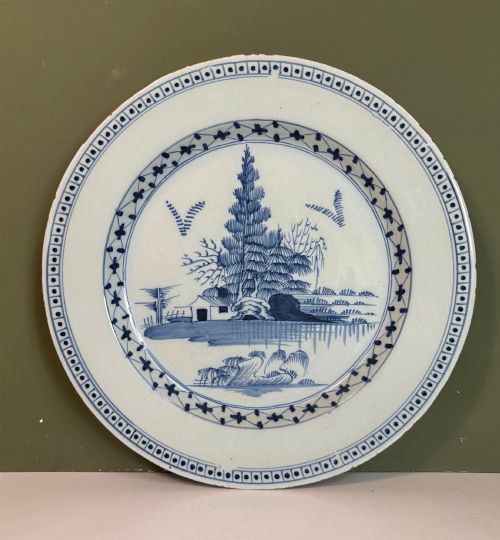
The versions most common on this page include Dutch and English Delft chargers alongside Japanese Meiji period Imari pieces. These plates often measure considerably larger than standard dinnerware, providing a broad canvas for painted scenes, florals, and geometric patterns. Makers utilised the generous surface area to display intricate brushwork in cobalt blue, polychrome enamels, and gold leaf.
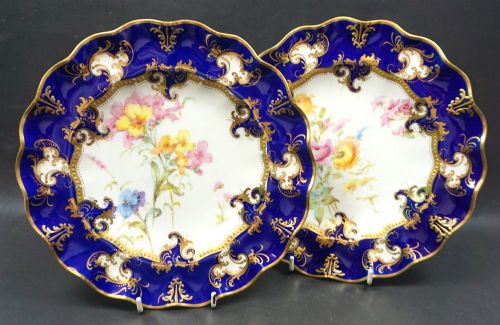
Earlier examples frequently originate from seventeenth and eighteenth-century Delftware traditions, showing softer earthenware bodies and tin glazes. Later nineteenth-century varieties introduce Japanese porcelain and continental factories producing cabinet plates and large decorative dishes. Each period brings distinct weight, glaze characteristics, and painting styles to the wall.
Materials and Techniques
Potters shaped these pieces using earthenware, porcelain, and ironstone, applying opaque tin glazes or translucent porcelain glazes as a base. Artisans then executed the hand-painted designs directly onto the raw glaze or fired surface using mineral pigments, cobalt, and occasionally gold leaf. This required steady brushwork and precise control, as the absorbent porous bodies or raw glazes allowed no room for error.
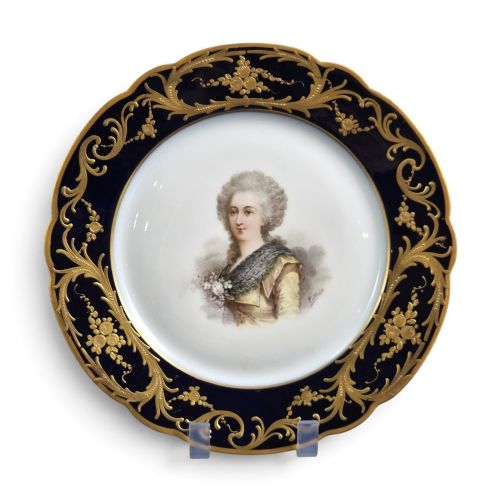
Firing took place in traditional kilns where temperature management determined the vibrancy of the pigments and the stability of the glaze. Earthenware chargers required lower temperatures and tin-opacified glazes to achieve their characteristic milky white surface for blue and polychrome painting. Porcelain and ironstone pieces underwent higher-firing processes, yielding denser bodies suitable for detailed portraiture and intricate Japanese Imari patterns.
Assessing Quality
Quality rests primarily in the precision, confidence, and detail of the hand-painted brushwork across the surface. Superior examples demonstrate fluid, purposeful strokes by skilled painters rather than hesitant or mechanical execution. The complexity of the composition, whether botanical, figural, or architectural, directly reflects the artisan's capability.
The integrity of the glaze and the clarity of the firing further separate standard production from exceptional work. Finer pieces maintain uniform glaze coverage without excessive pooling, cracking, or distracting kiln flaws. In painted porcelain and tin-glazed earthenware, the richness and depth of the pigments indicate superior chemical preparation and firing mastery.
Koshida·Royal Bonn·Royal Crown Derby·Royal Worcester·John Davenport of Longport·Copeland Pottery
The Hand Painted Wall Charger Glossary
- Charger
- A large decorative plate or dish historically used for formal dining or display. These oversized ceramic pieces provide an expansive surface for detailed painted ornamentation.
- Tin-Glaze
- An enamel glaze containing tin oxide that fires to an opaque white finish. This technique creates a smooth canvas for painted pigments in traditional Delftware production.
- Imari
- A style of Japanese porcelain featuring a distinct palette of underglaze blue, iron red, and gilt highlights. The aesthetic was widely exported and later copied by European potteries.
- Cabinet Plate
- A decorative ceramic plate intended for display in a cabinet or on a wall rather than everyday use. These items typically exhibit fine artistic execution and significant historical themes.
- Polychrome
- Decoration utilising multiple distinct colours in the painted design. This term distinguishes multi-hued floral or figural works from monochrome blue and white pieces.
Hand Painted Wall Charger: Frequently Asked Questions
How do I hang a heavy charger safely?
Heavy ceramic chargers require specialised wall mounts that distribute weight evenly across the base and rim. Adjustable spring hangers padded with rubber protect the edges while securing the piece firmly against the wall.
Ensure the mounting hardware anchors directly into wall studs or uses appropriate masonry fixings. Avoid relying on simple adhesive discs or light picture wire for substantial earthenware and porcelain chargers.
How do I tell Delftware from Japanese Imari?
Delftware typically utilises a porous earthenware body covered in a white tin glaze, featuring blue or polychrome pigments painted in a European style. The weight feels heavier and the back often shows stilt marks from the kiln.
Japanese Imari uses a denser porcelain body with a characteristic palette of cobalt blue, burnt orange, and gold leaf. The designs draw from Japanese motifs and the porcelain rings higher when tapped gently.
Can these chargers be used for serving food?
Historical wall chargers and antique cabinet plates are primarily designed for display and aesthetic appreciation. Older tin-glazed earthenware and antique porcelain may also feature delicate surfaces susceptible to cutlery scratching.
Many antique pieces contain historic glazes that are best preserved away from moisture, acids, and food contact. Enjoy them as visual art on the wall rather than functional tableware.