




Victorian Earthenware Plaque
These nineteenth-century pieces of a victorian earthenware plaque bring painted landscapes, portraits and cellar labels straight to the wall.
Victorian Earthenware Plaque
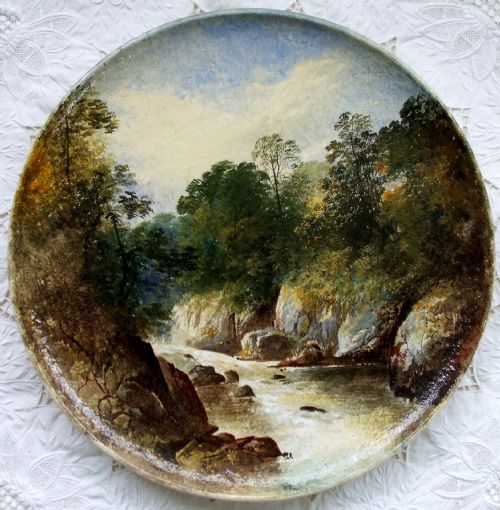
Buyers seeking a victorian earthenware plaque encounter wall plaques, decorative plates, portrait chargers, and cellar bin labels made across the nineteenth century. These ceramic pieces display scenes ranging from Welsh river landscapes to classical portraits and literary subjects like Auld Lang Sesne.
The version most commonly met on this page is the English factory-produced landscape plaque, frequently signed by artists such as William Yale and bearing specific titles on the reverse. Alongside these pictorial works, collectors find majolica animal studies and utilitarian wine cellar accessories.
Most items originate from English potteries dating between eighteen-sixty and eighteen-ninety, reflecting Victorian historicism, Arts and Crafts design, and folk art traditions. The selection balances decorative wall art with functional ceramic markers for the home and cellar.
What varies in quality
The distinction between standard factory output and the finest examples rests on the skill of the painter and the clarity of the ceramic body. Signed works by documented artists such as William Yale command attention for their detailed brushwork and specific topographical subjects.
Complexity of form and modelling also separate basic items from superior pieces, particularly in majolica and relief-moulded pottery. Well-defined relief work and sophisticated glaze distribution indicate a higher standard of nineteenth-century ceramic production.
Victorian Earthenware Plaque Retail Price Guide 2026
Typical asking prices for victorian earthenware plaque among the pieces listed under this phrase on Sellingantiques today, from the lower quarter to the upper quarter. They describe what is for sale here now, not the wider market.
William Yale·Royal Bonn·Copeland Pottery·Minton·Pratt Ware
The Victorian Earthenware Plaque Glossary
- Earthenware
- A porous pottery fired at lower temperatures than stoneware or porcelain, requiring a glaze to become impermeable. It forms the structural base for the majority of nineteenth-century decorative wall plaques and cellar labels.
- Majolica
- A heavy earthenware pottery covered in an opaque tin-lead glaze and painted with metallic oxides. This technique produced vibrantly coloured relief plaques depicting natural subjects like birds and sunflowers.
- Creamware
- A refined, pale yellow-glazed earthenware developed in eighteenth-century England and continued through the Victorian period. It provided a smooth, light ground suitable for transfer-printed and hand-painted decoration.
- Charger
- A large decorative plate intended primarily for display on a wall or sideboard rather than for dining use. Victorian examples often feature detailed hand-painted portraits or topographical scenes.
- Bin label
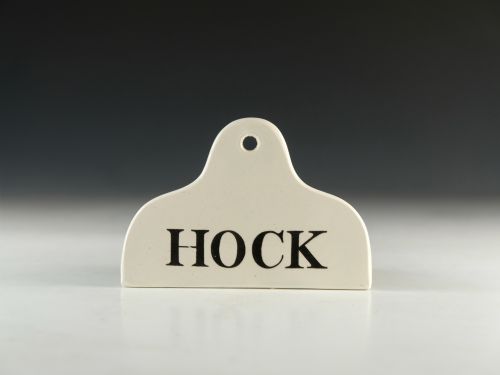
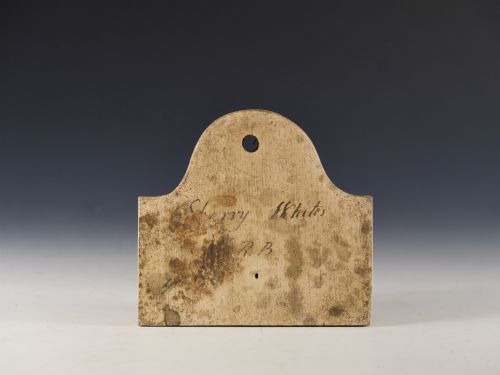
- A small ceramic marker designed to identify specific wines stored in a cellar. These nineteenth-century pieces feature painted text naming vintages such as hock, sherry, and marsala.
Victorian Earthenware Plaque: Frequently Asked Questions
What are victorian earthenware plaques?
These pieces are ceramic wall decorations, portrait chargers, and cellar labels produced by English and European potteries during the nineteenth century. They include hand-painted landscape scenes, literary tributes, and relief-moulded animal studies.
Potters used earthenware, creamware, and majolica glazes to create items intended for domestic display or functional cellar organisation. Artists often signed their landscape and portrait works directly on the ceramic surface.
How were these plaques displayed?
Victorian households hung decorative wall plaques and portrait chargers in reception rooms to showcase artistic taste and scenic views. Transfer-printed landscape titles on the reverse helped viewers identify specific locations in Wales and Scotland.
Bin labels served a purely functional role in wine cellars, hanging from racks to identify vintages like sherry and hock. Ceramic salesman's sample jugs and salesman's sample plaques fulfilled a different commercial purpose for travelling representatives.
How do I date a plaque?
Dating relies on stylistic markers, factory marks, and artist signatures recorded across the nineteenth century. Pieces from the eighteen-sixties often exhibit Pratt Ware transfer printing, while items from eighteen-ninety frequently reflect Arts and Crafts or Art Nouveau influences.
Factory names like Copeland and Minton, alongside specific registered numbers, help narrow the period of production. Landscape subjects often correspond to contemporary Victorian interest in picturesque British and European scenery.
Are these pieces fragile?
Earthenware bodies and applied glazes require careful handling to prevent chipping along the edges or scratching to painted surfaces. Wooden mounts on certain plaques provide additional structural support but also need stable environmental conditions.
Displaying these items away from direct heat sources and high humidity preserves the integrity of both the ceramic body and the surface glaze. Secure wall fixings are essential for heavier portrait chargers and majolica pieces.