




Green Pottery Wall Plate
A green pottery wall plate brings rich earthen colour and hand-painted detail directly to your interior walls.
Green Pottery Wall Plate
A green pottery wall plate serves primarily as a decorative hanging display rather than tableware, bringing distinct colour and pictorial scenery into a room. When you examine a green pottery wall plate on this page, you encounter pieces spanning from the eighteenth century through to the art deco era of nineteen thirty.
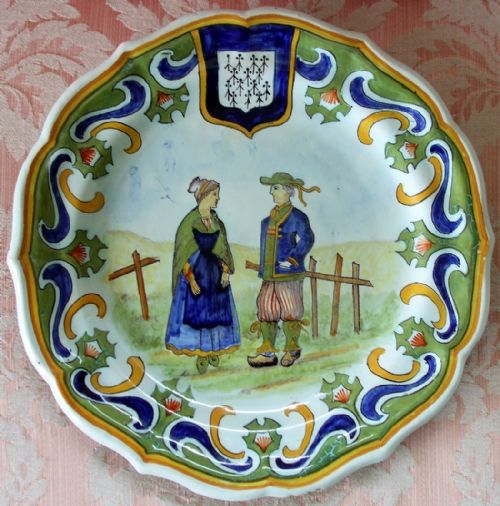
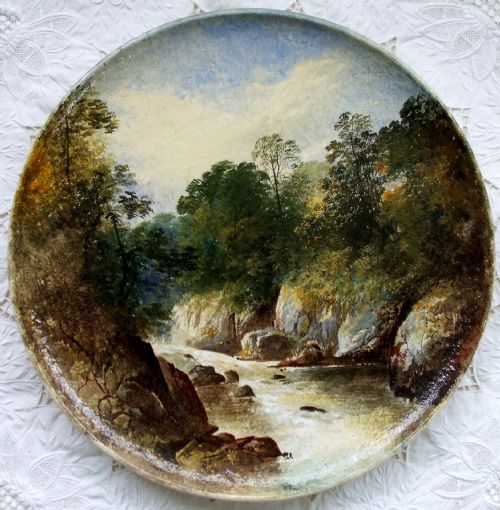
The selection ranges widely across origins and styles, taking in English Victorian Copeland pottery plaques painted with Welsh landscapes, French faience from Desvres and Marseille, and German folk art. You will also find eighteenth-century porcelain saucers and high-fired chargers, each offering a distinct regional interpretation of the form.
Materials and construction methods
Makers shaped these pieces using earthenware, ceramic, and porcelain bodies, applying tin glazes, enamel, and specialised high-fired glazes to achieve their characteristic green surfaces. Potters then decorated many of these items with hand-painted pigments, capturing detailed landscape scenes or botanical motifs directly onto the wet or fired glaze.
Traditional factories employed skilled artists to sign and number individual plaques, such as the Copeland works utilising painter William Yale. Firing techniques varied from standard earthen kilns to high-fired methods that produced deeper vitrification and distinctive surface textures.
Green Pottery Wall Plate Retail Price Guide 2026
Typical asking prices for green pottery wall plate among the pieces listed under this phrase on Sellingantiques today, from the lower quarter to the upper quarter. They describe what is for sale here now, not the wider market.
Listings feature earthenware, porcelain, and tin-glazed ceramic bodies adorned with hand-painted enamel and high-fired green glazes.
Factors determining quality
Quality rests upon the crispness of the hand-painted brushwork and the precision of the glaze application across the ceramic body. Pieces decorated by named artists or produced by notable factories display superior pictorial depth and finer control over the green ground colours.
The sophistication of the kiln firing also dictates the finish, where high-fired chargers and tin-glazed earthenware show greater durability and subtlety in tone. Desvres and Marseille pieces demonstrate regional technical mastery through their specific glaze formulations and pigment retention.
William Yale·Copeland Pottery·Veuve Perrin
The Green Pottery Wall Plate Glossary
- Faience
- Tin-glazed earthenware produced in France and other continental European regions. It provides an opaque white or cream ground ideal for hand-painted decoration.
- Charger
- A large decorative plate intended for display on a wall or sideboard rather than for serving food. These pieces often feature prominent pictorial art or rich monochrome glazes.
- Earthenware
- Porous pottery fired at relatively low temperatures and rendered impermeable through the application of a glaze. It forms the structural base for many nineteenth-century wall plaques.
- Porcelain
- A fine, vitrified ceramic material fired at high temperatures until semi-translucent. It is harder and less porous than standard earthenware.
- Tin-Glazed
- Pottery coated with a glaze containing tin oxide, which dries opaque white during firing. This surface accepts painted enamel colours directly before the final kiln run.
Green Pottery Wall Plate: Frequently Asked Questions
How do I hang a wall plate safely?
Most decorative wall plates require a specialised spring-clip hanger that grips the rim securely without causing damage to the ceramic body. Ensure the wall fixing is firmly anchored before mounting heavier items like high-fired chargers.
Check the tightness of the spring mechanism periodically to maintain a secure hold. Avoid wire adhesives that rely solely on glue, as ceramic weight can cause sudden failure.
Are these plates meant for dining?
These pieces are designed exclusively for decorative display on walls or within cabinets rather than for culinary use. Many feature delicate tin-glazes or historic enamel work that would suffer damage from cutlery and washing.
Appreciate them as visual artworks rather than functional tableware. Their historic nature and painted surfaces require gentle treatment away from the dining table.
How do I identify French faience?
French faience typically exhibits a distinctive tin-glaze surface with hand-painted regional motifs, often originating from centres like Desvres or Marseille. The body is usually earthenware rather than hard porcelain.
Look for characteristic palette choices and brushwork styles associated with eighteenth and early twentieth-century French production. Maker marks on the reverse often confirm the exact pottery.
What is a Victorian pottery plaque?
A Victorian pottery plaque is a flat or slightly concave ceramic panel created specifically for interior wall hanging during the nineteenth century. These items frequently depict romantic landscapes or topographical views.
Artists often signed and numbered these plaques individually, reflecting their status as fine art rather than mass-produced housewares. Copeland factory examples frequently recorded specific Welsh or English scenes.